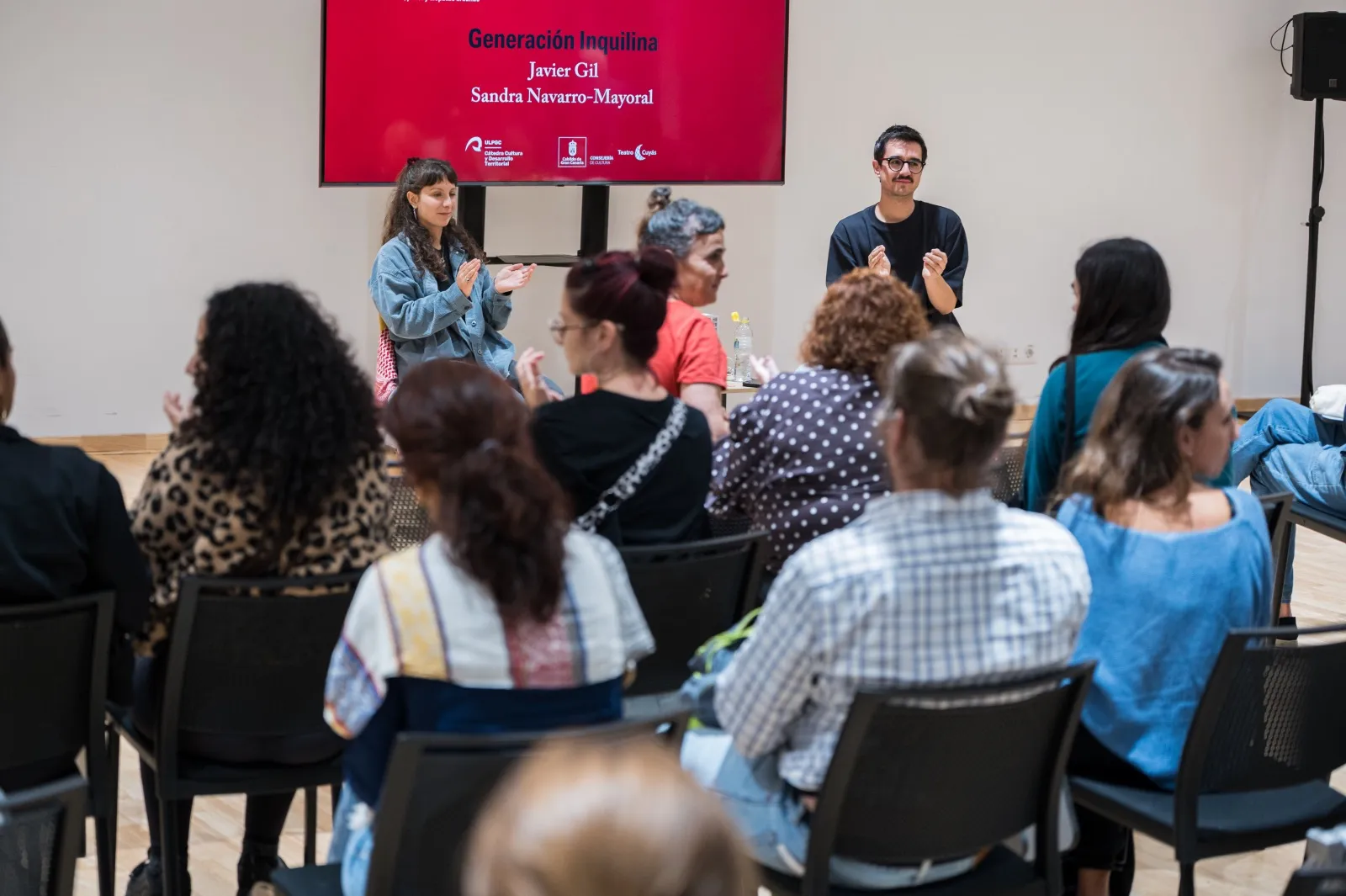
The event, held yesterday evening in La Esperanza, brought together a full auditorium to unveil this initiative addressing the popular memory of that era. The work recovers personal stories and proper names to understand the extent of the repression and its consequences on local society, highlighting figures such as Mateo Vera, a republican mayor who went into exile, and Emilio Reyes, the last Canary Islander to die in a German concentration camp.
The mayor of El Rosario, Escolástico Gil, spoke at the presentation to underline the educational value of memory. “Memory should not serve to divide us, but to teach us the value of peace; it should not fuel confrontation, but strengthen coexistence,” Gil stated, adding that this is the best tribute to those who lived through those difficult years.
“"Memory should not serve to divide us, but to teach us the value of peace; it should not fuel confrontation, but strengthen coexistence."
For his part, Aarón León, academic director of the project, highlighted the municipality's historical relevance in the context preceding the conflict, particularly the meeting at Las Raíces, where Francisco Franco met with various military commanders a month before the start of the war. This episode positions El Rosario as an essential reference for understanding one of the most significant periods of the 20th century in Spain.
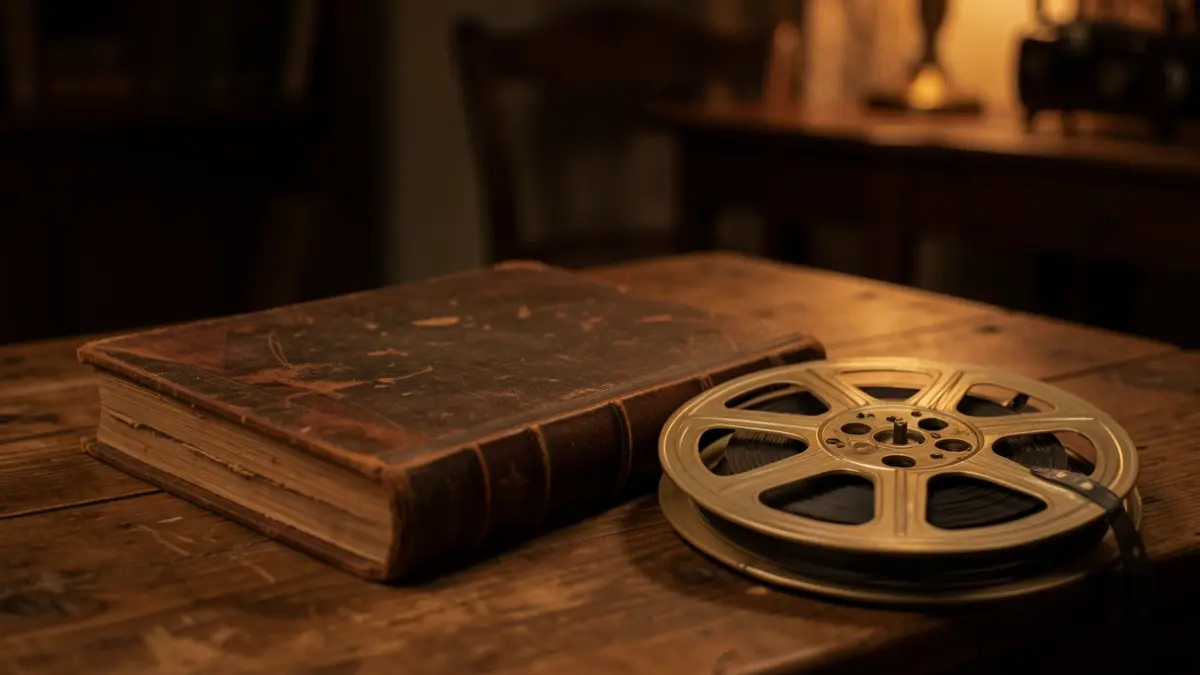
The documentary, premiered after the presentation, constitutes an audiovisual record of testimonies from families of the repressed, neighbours, and specialised historians. Meanwhile, the book collects research supported by sources from municipal, provincial, and military archives, complemented by oral sources and a gender perspective. It also includes a set of didactic activities designed to facilitate its use in educational centres.