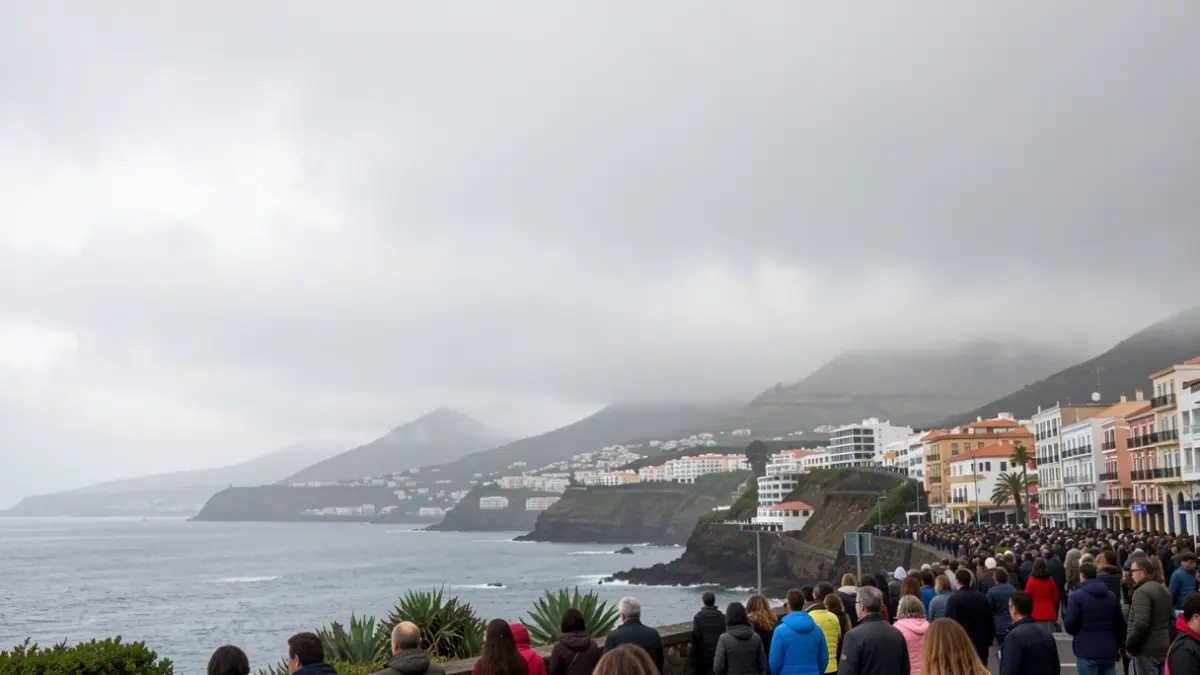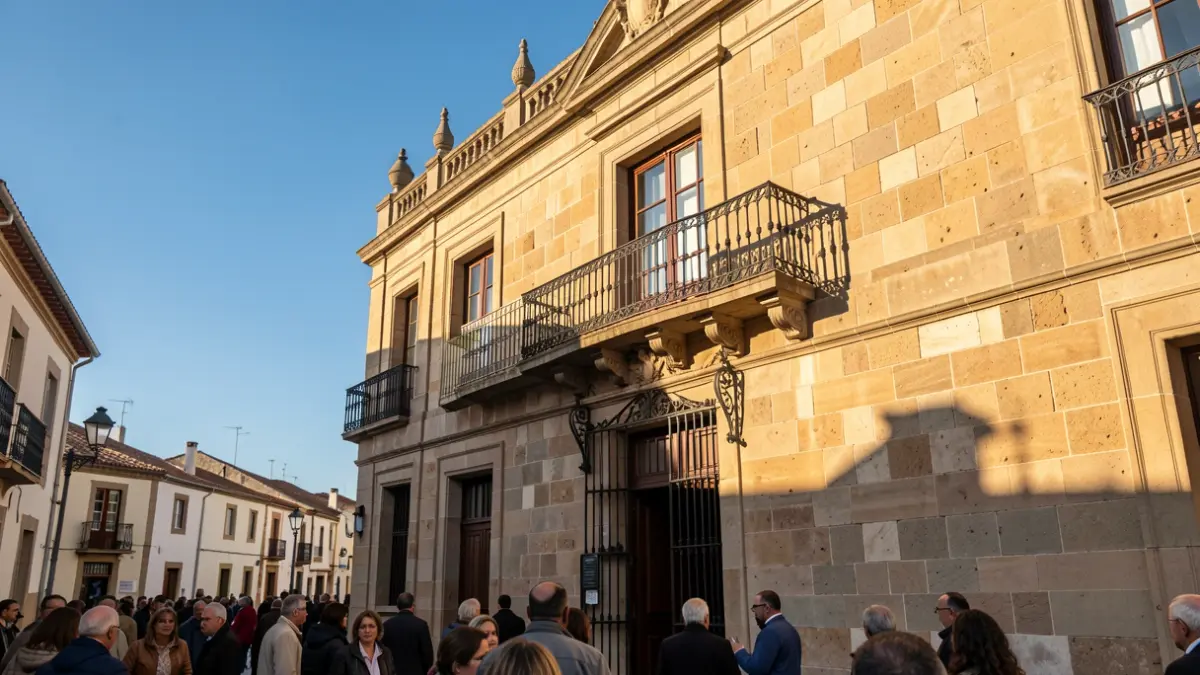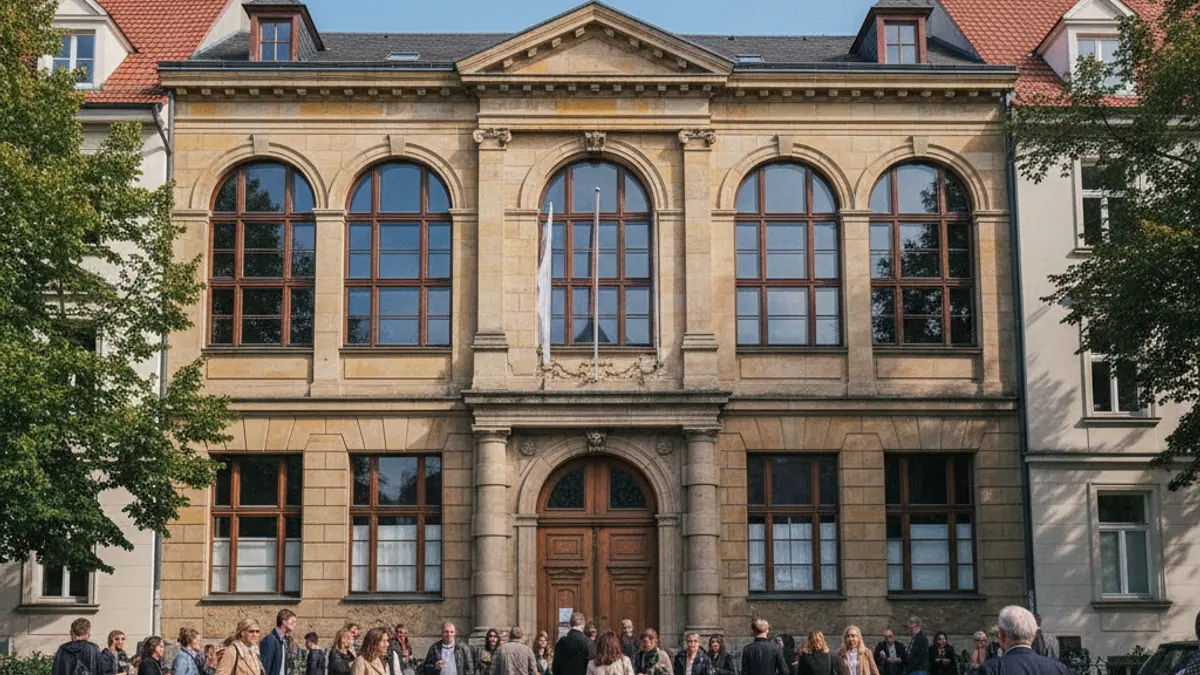
Five neighborhood associations from La Arboleda, Residencial Anaga, La Muralla, La Ninfa-Ifara, and Las Ramblas have issued a joint statement. In it, they express their strong opposition to the potential closure of this historic children's school, which serves children aged zero to three and has been operating since 1956.
Concern has intensified after it was noted that the school does not appear on the official enrollment platform of the Ministry of Education. This situation persists despite the Parliament of Canarias recently approving an initiative to ensure the center's continuation. The enrollment period ends on May 15, and the school's absence from the online system prevents many families from formalizing their registration.
“"Facilities are not being provided to guarantee access to educational services."
The associations are assisting parents in processing paper applications and submitting them through official channels. They also warn that some affected families are in socially vulnerable situations, exacerbating the problem.
A socialist deputy advocated in Parliament for the continuity of both the Anaga Children's School and the Las Folías school in Las Palmas de Gran Canaria. During her intervention, the social role the center has historically played in the neighborhood was highlighted, serving generations of working families since its opening in 1956.
The neighborhood groups emphasize the historical and social roots of the school, underscoring its fundamental work in the educational and social development of early childhood. They point out that the center has facilities specifically adapted for young children and has been an essential local resource for numerous families in the area for decades.
A demographic study conducted by residents in the neighborhoods of Salamanca, Uruguay, Las Acacias, and Barrio Nuevo indicates that the census of children aged zero to five has remained stable over the past five years, and has even shown an increase in areas like Las Acacias.
Although the associations support the proposal that the building could house a day center for the elderly in the future, a much-needed infrastructure, they believe this change of use should only occur once the new classrooms for zero-to-three-year-olds projected at CEIP Salamanca are completed, thereby ensuring the transfer of the approximately 40 families currently using the service.