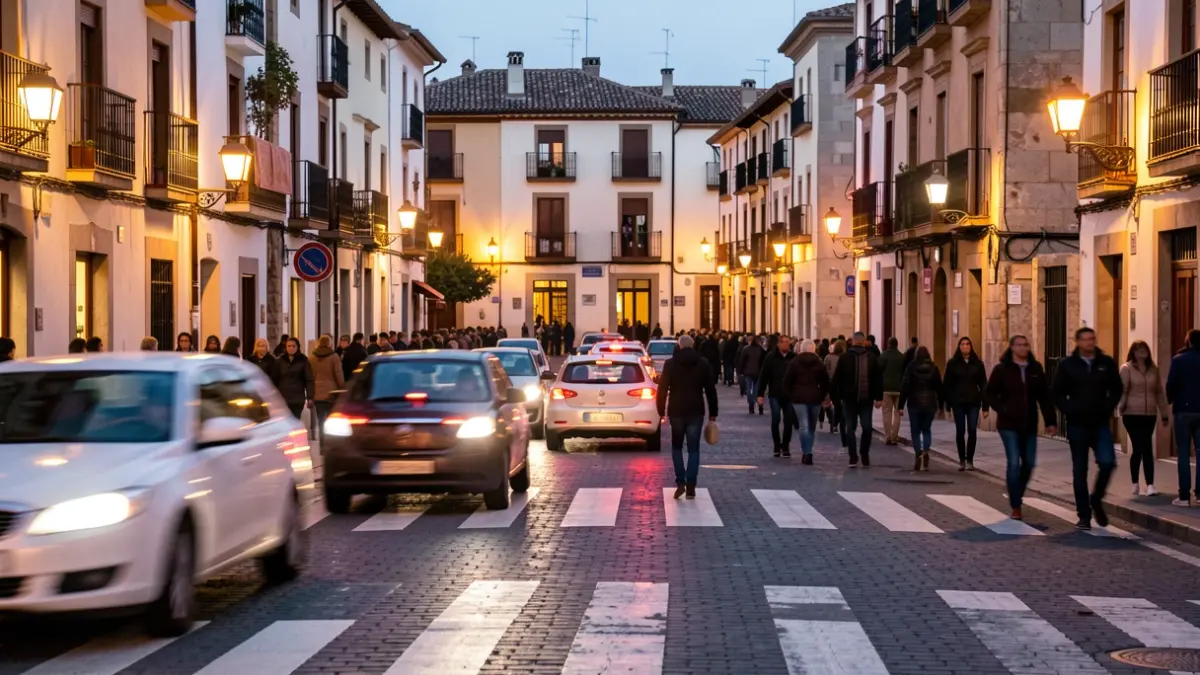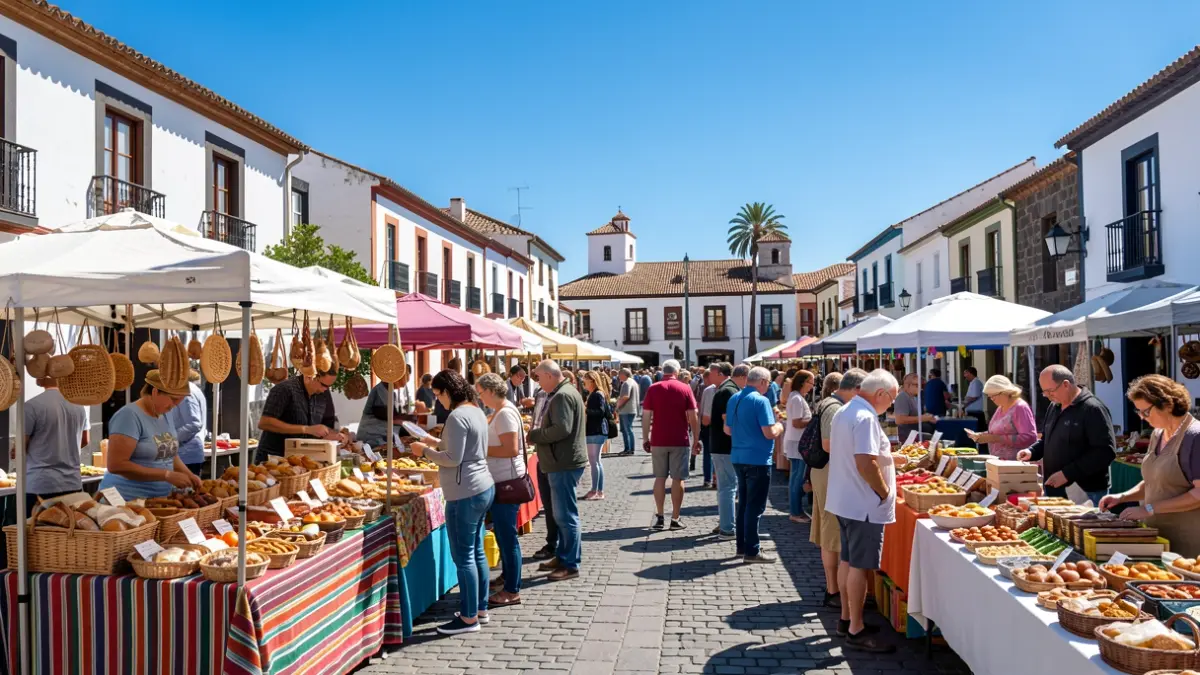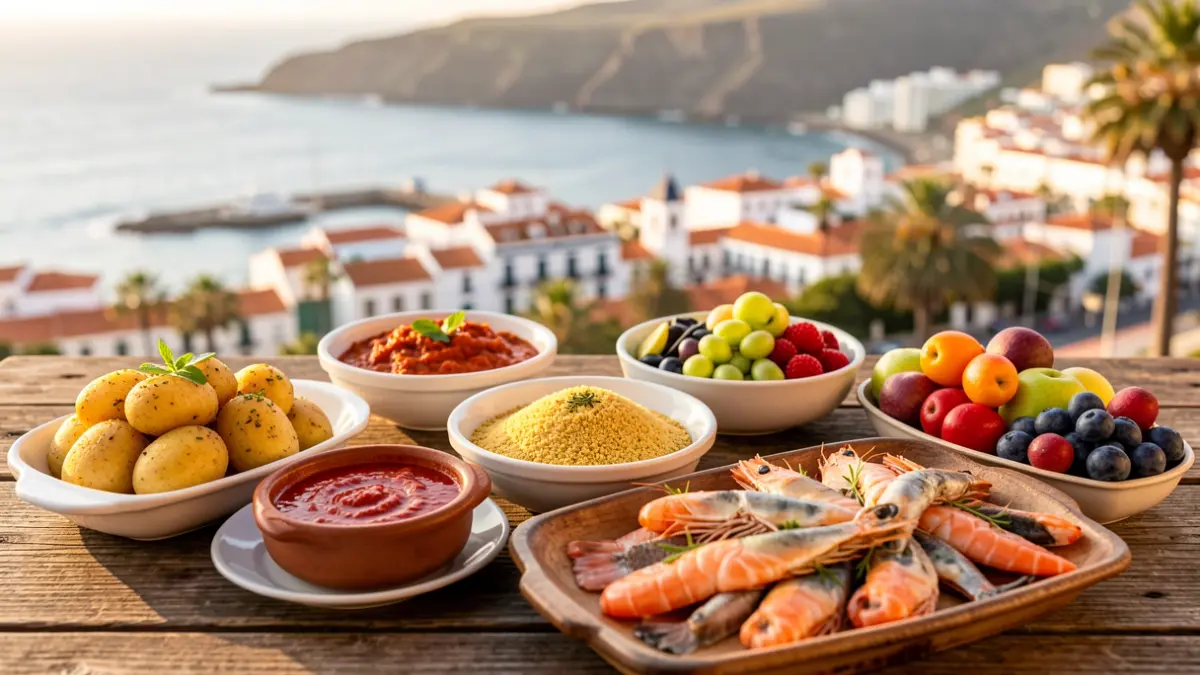
The designation of Santa Cruz de Tenerife as the Spanish Capital of Gastronomy 2027 represents a significant boost for its tourism positioning, the visibility of its local gastronomy, and the economic revitalization of the Tenerife capital. The candidacy, described as a "city recipe book," has been conceived to turn Santa Cruz into a showcase for Canarian gastronomy throughout 2027.
The organization of the Spanish Capital of Gastronomy reported that three cities presented candidacies for this edition. The jury, composed of representatives from the organization and leading entities in the gastronomic, tourism, and hospitality sectors, evaluated the Santa Cruz proposal.
The city's mayor, José Manuel Bermúdez, highlighted that this recognition allows them to "bring to the forefront a cuisine that reflects our history, our open character, and the mix of cultures we have been for centuries." He emphasized that the proposal was structured around the concept 'El Recetario' (The Recipe Book), which organizes the destination's strategy like the steps of a menu.
Bermúdez added, "We want this recognition to become a source of pride for our city and a benchmark for visitors," recalling that Santa Cruz receives over 3.4 million visitors annually. The city thus succeeds Jerez de la Frontera in this title.
For her part, the CEO of the Sociedad de Desarrollo, Carmen Pérez, who spearheaded the project, stressed that the designation acknowledges the efforts of the local gastronomic and tourism ecosystem. She noted that the candidacy, under the slogan 'Santa Cruz de Tenerife, crossroads of flavors,' stood out for its originality and strategic coherence, presenting the dossier as a recipe book titled 'Recipes for cooking the Spanish Capital of Gastronomy 2027'.
The dossier included a contribution from the Official Chronicler of the City, José Manuel Ledesma Alonso, reinforcing the connection between gastronomy, memory, and popular culture. The candidacy was promoted by the Tourism area of the Sociedad de Desarrollo, led by Carmen Pérez and with the involvement of Mayor José Manuel Bermúdez.
Pérez explained that the project builds upon years of work, with the Club de Producto Degusta Santa Cruz serving as a key tool for public-private collaboration. The proposal includes activities throughout the twelve months of 2027 aimed at activating the hospitality sector, markets, local produce, training, and tourism promotion.
A specific management model will be established through a Technical Office under the direction of the Sociedad de Desarrollo to coordinate project planning and execution. Communication will be a key lever for brand building, generating awareness, and promoting the city as a gastronomic destination.
The Tenerife capital aims to be a platform for showcasing Canarian gastronomy, working closely with the Cabildo de Tenerife and the Government of the Canary Islands. The candidacy received unanimous support from the Santa Cruz City Council, the Cabildo de Tenerife, the Government of the Canary Islands, and over a hundred representative entities.
The project is based on a ten-point set of values: identity, authenticity, local product, sustainability, exchange, hospitality, collaboration, training and knowledge, culture, and destination projection. These principles view gastronomy as memory, economy, tourist experience, and cultural expression.
Carmen Pérez highlighted that this designation is a historic opportunity to recognize the efforts of its gastronomic sector, elevate Canarian products, and consolidate gastronomy as a major tourist, cultural, and economic asset for the city. In 2027, Santa Cruz de Tenerife will invite visitors to discover the Canary Islands through its cuisine.
The title of Spanish Capital of Gastronomy is an annual award promoted by the Spanish Federation of Hospitality (FEHR) and the Spanish Federation of Tourism Journalists and Writers (FEPET).