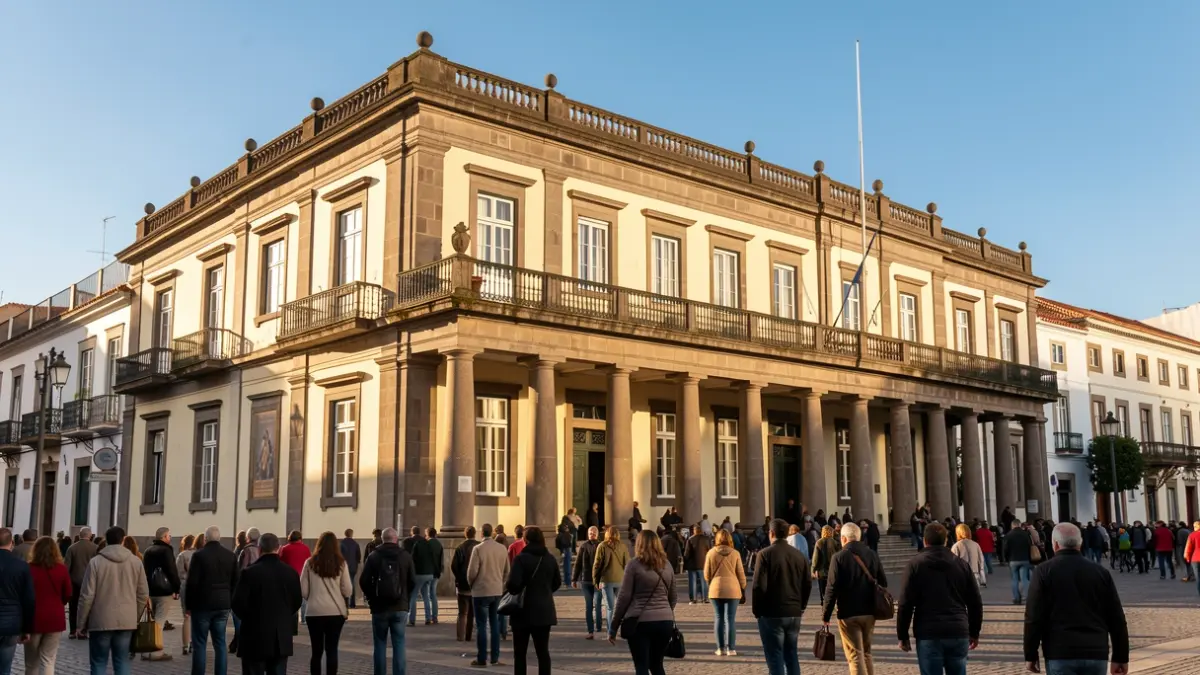
This monument, far from being a mere relic of the past, is perceived as a glorification of the individual who led a coup d'état in July 1936, triggering a civil war and a dictatorship lasting almost forty years. The city, which prides itself on being democratic and plural, maintains an effigy that honors a regime responsible for executions, torture, and exiles.
The argument that it constitutes «historical heritage» is questioned, as other European cities have removed similar symbols from their public spaces. It is emphasized that remembering history does not mean glorifying perpetrators, but rather placing the horror in its proper context, as is done in Germany with Nazi symbols, which are displayed in museums and memorials, not in public squares.
Keeping his statue standing, in the public space of a democratic city, is tantamount to telling the victims and their families that their suffering does not matter enough. That coexisting with the symbol of their executioner is a reasonable price. It is not.
The Democratic Memory Law, approved in 2022, establishes the obligation to remove symbols glorifying Francoism from public spaces. Despite this regulation, the statue of Franco persists in Santa Cruz de Tenerife, due to institutional neglect, legal challenges, and the resistance of certain political sectors.
Santa Cruz society, including the Círculo de Bellas Artes and members of the Real Academia de las Artes de San Miguel Arcángel, as well as the main municipal political forces, PSOE and CC, have expressed their desire for the city to move towards the future without such monuments. Removing the statue is considered an act of justice for the victims of the regime.