Jesús Ramos, deputy spokesperson for the Gomera Socialist Group (ASG), has urged for the reinforcement of fire prevention policies in the Canary Islands, extending actions beyond specific campaigns before summer. While acknowledging the measures taken by the Government of the Canary Islands, he emphasized the need for the Archipelago to anticipate an increasingly virulent phenomenon.
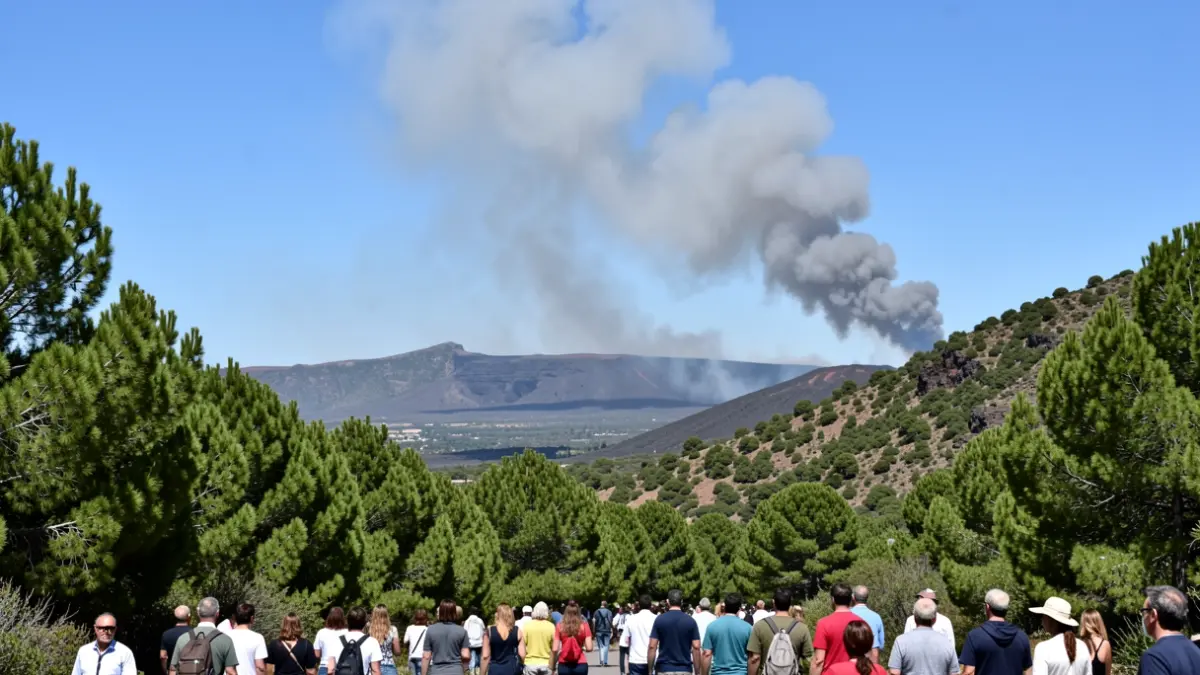
The ASG parliamentarian stressed that fires represent a multifaceted emergency: environmental, economic, territorial, social, and civil security. He recalled that forest fires not only affect vegetation but also aquifers, agricultural lands, homes, tourism activity, and the economy in general.
Ramos pointed out that scientific evidence suggests the Canary Islands experience fewer, but more intense, fires. He detailed that in the last four decades, 28 major fires have occurred, burning approximately 132,000 hectares, which is about 18% of the autonomous community's territory. He cited recent incidents such as the Gran Canaria fire in 2019 (around 10,000 hectares) and the Tenerife fire in 2023 (about 14,000 hectares), with an estimated cost of 177 million euros.
“"Every hectare we manage to prevent before summer is a saving in security, protection for the Canarians, and also an economic saving."
The ASG deputy spokesperson advocated for coordination between the Government of the Canary Islands, the State, the island councils (cabildos), municipalities, BRIFOR, EIRIF, UME, and Civil Protection as key to improving emergency response. He also considered it appropriate to integrate fire risk into territorial planning.
“"Planning better, preventing year-round, and coordinating all available resources is the best way to protect our territory, our economy, and the safety of the citizens."