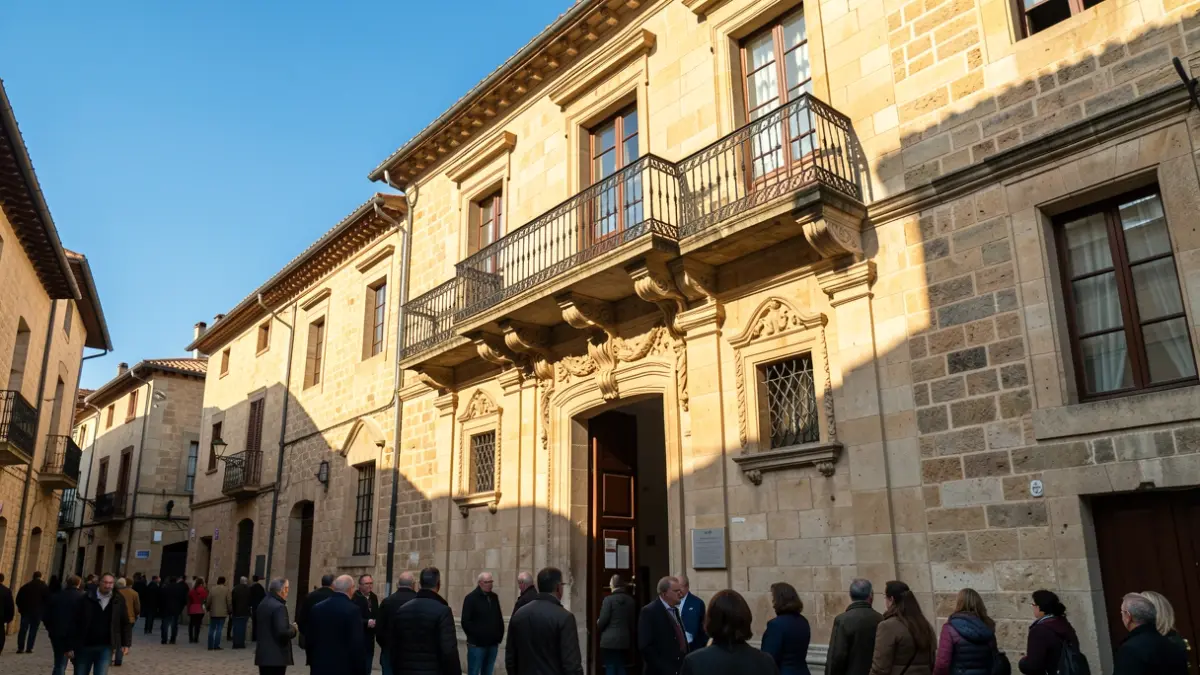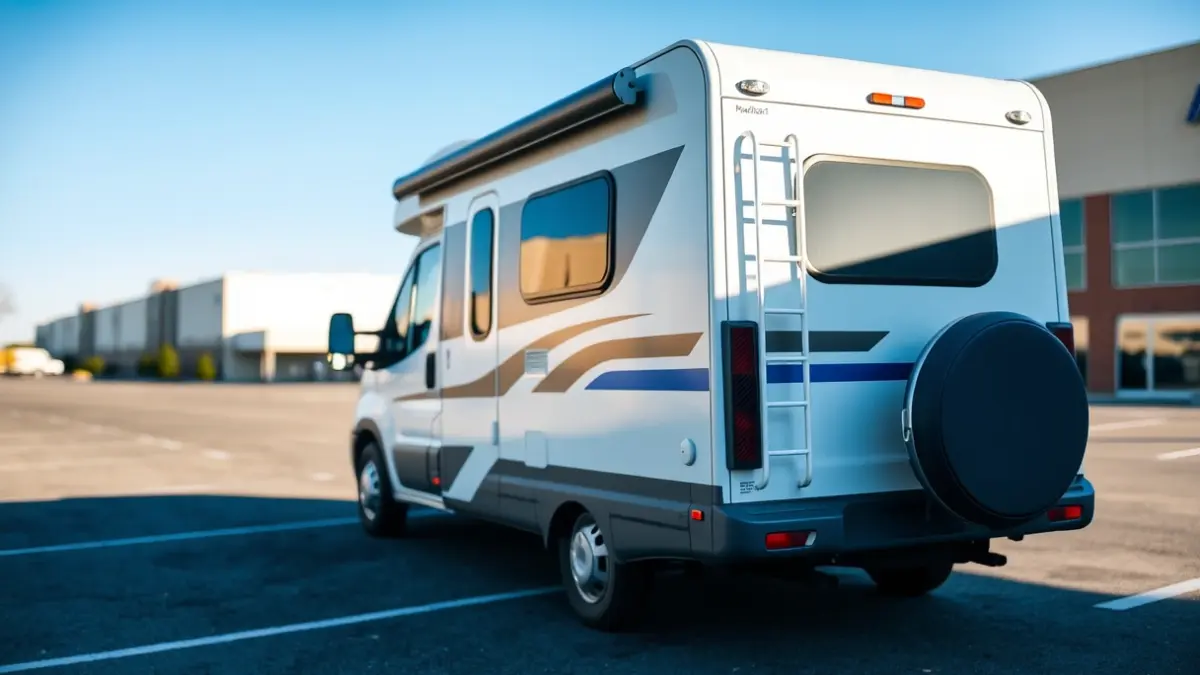
Daily, between 12 and 15 vehicles use this space as a temporary dwelling, without deploying camping elements or interfering with commercial activity. The users of these vehicles assert that their practice complies with the law, as they are merely parking, not camping—a crucial distinction in the absence of specific municipal regulations prohibiting it.
“"Rents exceed 700 euros, and that's almost half of my income."
The situation is a direct reflection of the rising rental costs on the island, which have forced many residents to seek alternative housing. Some, like a pensioner, have been compelled to leave their homes because rental prices consume a disproportionate part of their income. Others, including families, move between different points on the island, such as La Garita, Mogán, or Tauro, to avoid potential penalties for prolonged stays in one location.
A spokesperson for the national camper van association PACA has indicated that there is no decree prohibiting parking in open lots and that state legislation permits the use of camper vans as residences. The association warns of potential mobilizations if solutions to this problem are not addressed.
“"There is no housing precariousness, but rather laws aimed at vulnerable groups that exclude workers such as civil servants, teachers, or police officers."
Sources from the Local Police confirm that there is no legal impediment for these vehicles to stay overnight in parking lots, provided they do not camp—meaning they do not deploy external elements and fit within the dimensions of a parking space. Although they acknowledge concerns about the lack of specific infrastructure, such as water disposal points, no formal complaints or intervention calls have been registered to date.