The European Commission has rejected the request for an extension to execute projects funded by Next Generation funds, meaning the Canary Islands will forfeit a significant sum intended for decarbonization. A spokesperson for the European Commission reiterated that the deadline at the end of this summer is unchangeable, despite requests for an extension.
This situation not only represents a reduction in investments but will also prevent the creation of jobs associated with these projects. The funds, approved after the health crisis of 2020, aimed to boost the economies of the most affected member countries, such as Spain, due to the importance of its tourism sector.
“"It's a shame, with that money we could have practically doubled the installed renewable power."
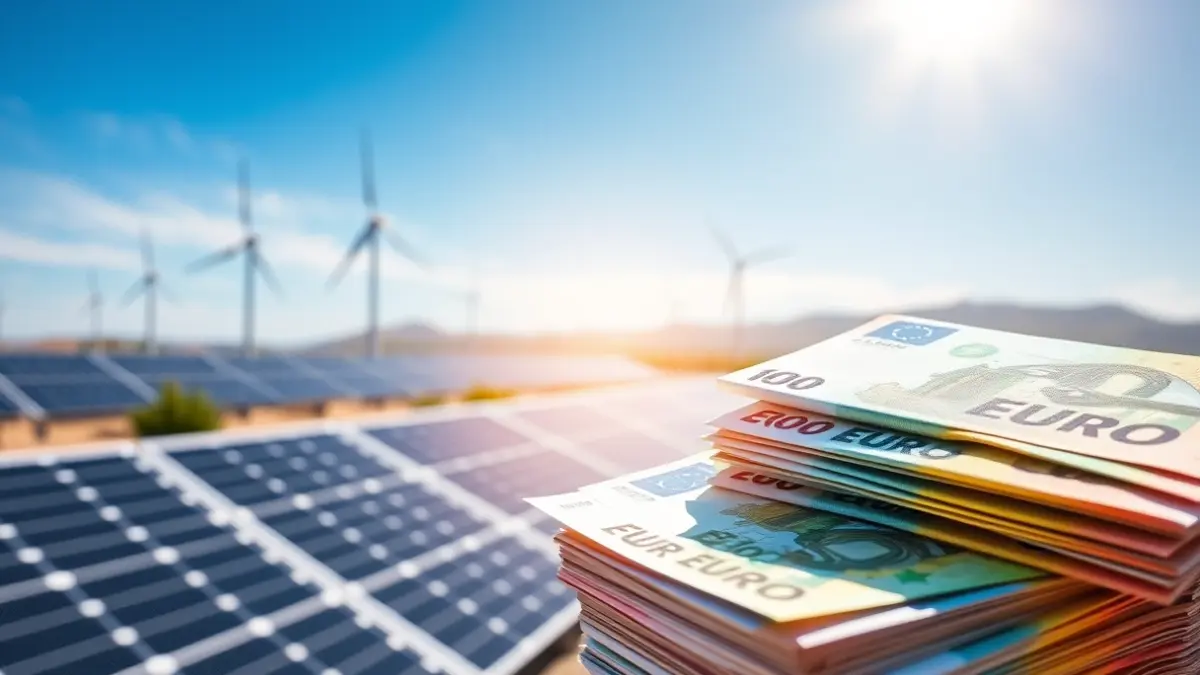
The administration's difficulty in managing such large allocations has turned the receipt of these funds into a challenge. Contributing to decarbonization was a key condition from Brussels for the Next Generation funds. The loss of these resources means that the goal of doubling installed renewable power will be significantly reduced, affecting over 400 actions and 120 megawatts of green energy.
The affected funds correspond to the Sustainable Strategy for Islands from the central Government, of which the Canary Islands received the largest share, a total of 266 million euros. This is in addition to 301 million euros in direct investments from the Government of Canarias to improve energy efficiency in hospitals, educational centers, and the primary sector.
The archipelago's remoteness and logistical challenges, such as the transport of materials by ship from the Peninsula or other international ports, have contributed to the slow execution of projects. Furthermore, the current European context has shifted focus from renewable energies to rearmament, complicating the search for alternative funding for projects that have already been approved.