The Minister of Ecological Transition and Energy of the Government of the Canary Islands, Mariano H. Zapata, participated in the forum "Nature and Biodiversity, a Challenge for the Canary Islands," organized by El Día and Prensa Ibérica. During the event, advances promoted by the Ministry in key areas such as biodiversity, forest management, natural spaces, and fire prevention were presented.
Zapata stated that the regional government has prioritized the conservation of natural heritage through new regulatory tools and the reinforcement of material and human resources. He emphasized that the Canary Islands are a global biodiversity hotspot, with over 18,000 terrestrial and 8,000 marine species, demanding responsible action for its conservation and sustainable development.
In terms of biodiversity, the promotion of the first Canary Islands Biodiversity Law and the approval of recovery plans for emblematic species such as the giant lizards of El Hierro and Tenerife, and the dragon tree of Gran Canaria were highlighted. A recovery plan for the hubara bustard was also announced. Projects like Red Vigía, RedEXOS, the Ojeadores Project, and the recovery of the Famara highlands, recognized with a national award, were valued.
Regarding forest management, Zapata mentioned the first Canary Islands Forestry Law, the upcoming update of the Canary Islands Forest Plan (unchanged since 1999), and the Decree on Forest Fire Prevention and Extinction to improve coordination and planning.
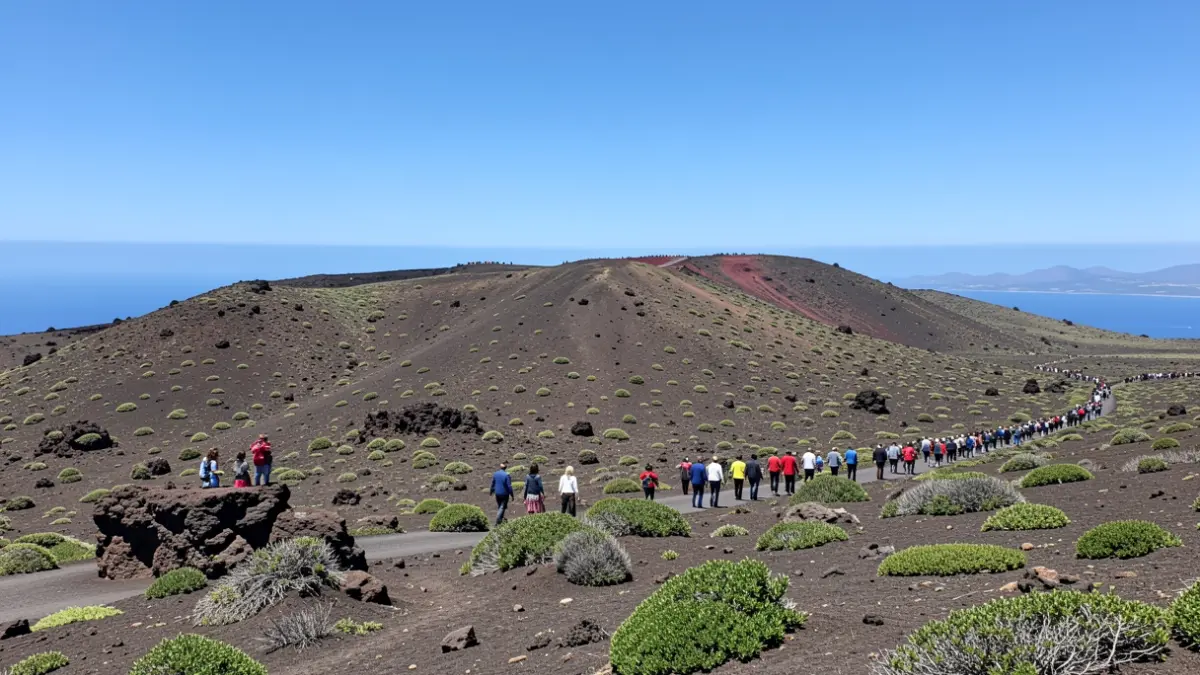
Concerning the Forest Fire Intervention and Reinforcement Teams (EIRIF), the investment of 39 million euros over the last three years was recalled, including the acquisition of helicopters, fire engines, and specialized machinery. In the management of national parks, the unblocking of the Management and Use Plans (PRUG) was emphasized, such as for Teide National Park, with ongoing work for Caldera de Taburiente, Timanfaya, and Garajonay.
Following the minister's address, a panel discussion took place with experts including Miguel Ángel Morcuende (Director General of Natural Spaces and Biodiversity), Marisa Tejedor (Professor and former Rector of the University of La Laguna), Víctor de León (biologist from the Asociación Fénix Canarias), and Abraham Hernández (coordinator of the EIRIF). Topics discussed included soil degradation, ecological restoration, scientific outreach, and fire prevention.
“"The Canary Islands are one of the major biodiversity hotspots on the planet, with over 18,000 terrestrial and 8,000 marine species. This richness obliges us to act responsibly to conserve our natural heritage and also turn its protection into an opportunity for sustainable development."
“"We are organizing decades of pending work to better protect the nature and biodiversity of the Canary Islands."
“"the administration had a historical debt with the Canary Islands that we are now settling."