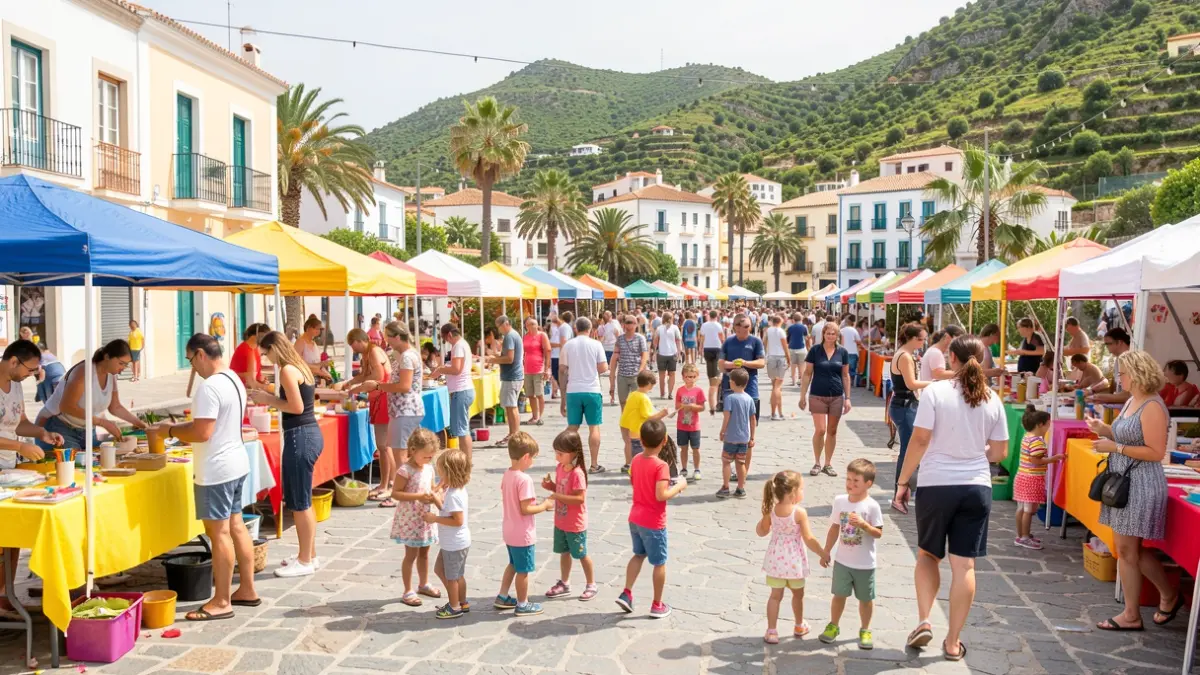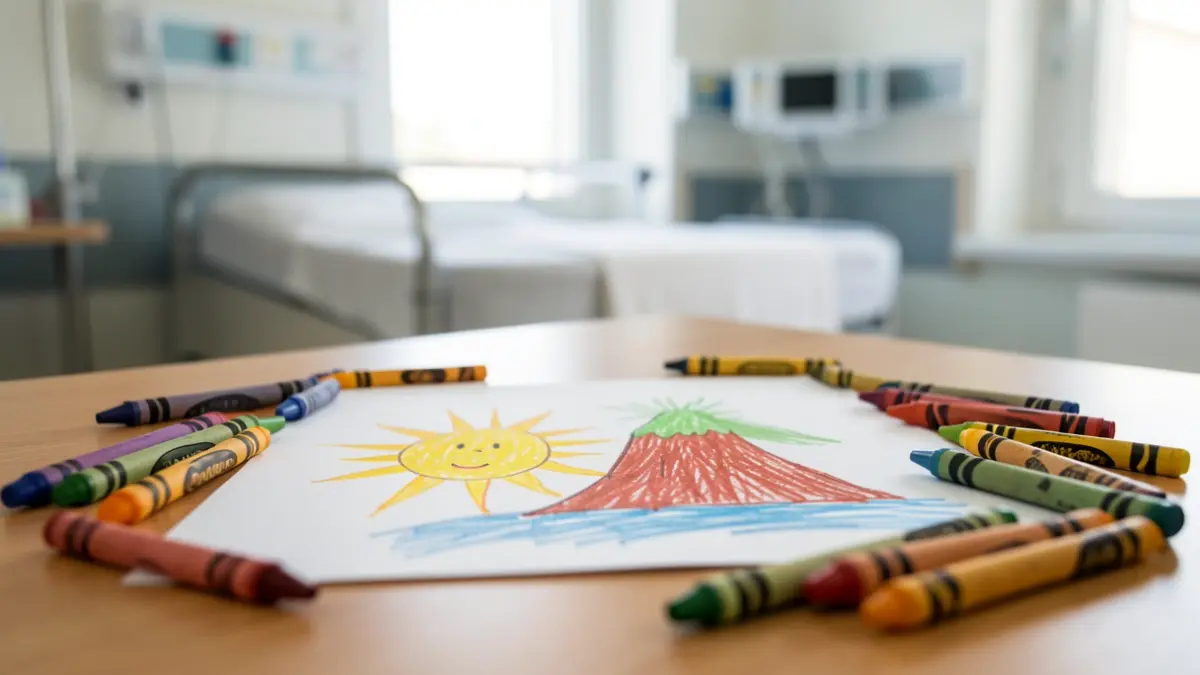
The Canary Islands Day celebration, observed annually on May 30th, was marked in several hospital classrooms across the islands, allowing hospitalized students to participate in the commemoration just like their peers in regular educational centers.
The initiative, driven by the Ministry of Education of the Canarian Government, involved classrooms at the Materno Infantil hospital in Gran Canaria, Doctor José Molina Orosa University Hospital in Lanzarote, and the Nuestra Señora de Candelaria University Hospital and University Hospital of the Canary Islands in Tenerife.
The primary goal of these activities was to strengthen the students' cultural, emotional, and identity connection with their surroundings. This was achieved by working on content related to the heritage, traditions, music, and cultural symbols of the Canary Islands, utilizing methodologies such as computational thinking, robotics, and audiovisual creation.
Students engaged in programming challenges using educational robots like the Blue-Bot and programmable cards such as the Micro:bit, creating visual and auditory sequences inspired by representative Canarian elements. They also explored rhythms and musical expressions unique to the archipelago and produced audiovisual creations, including the educational use of drones.
This initiative was carried out by the Educational Technology Area (ATE) of the Ministry of Education, in collaboration with ICT advisors, mentors from the Código Escuela 4.0 program, educational technology agents, and the teaching teams of the hospital classrooms.
Hospital classrooms, located in centers with pediatric beds, serve students from Infant, Basic, and Baccalaureate education in public schools, ensuring the continuity of their studies. Teachers coordinate with their home schools, and the program includes personal, social, emotional, and affective support, in addition to care provided by child and adolescent mental health units and centers for minors with behavioral problems.