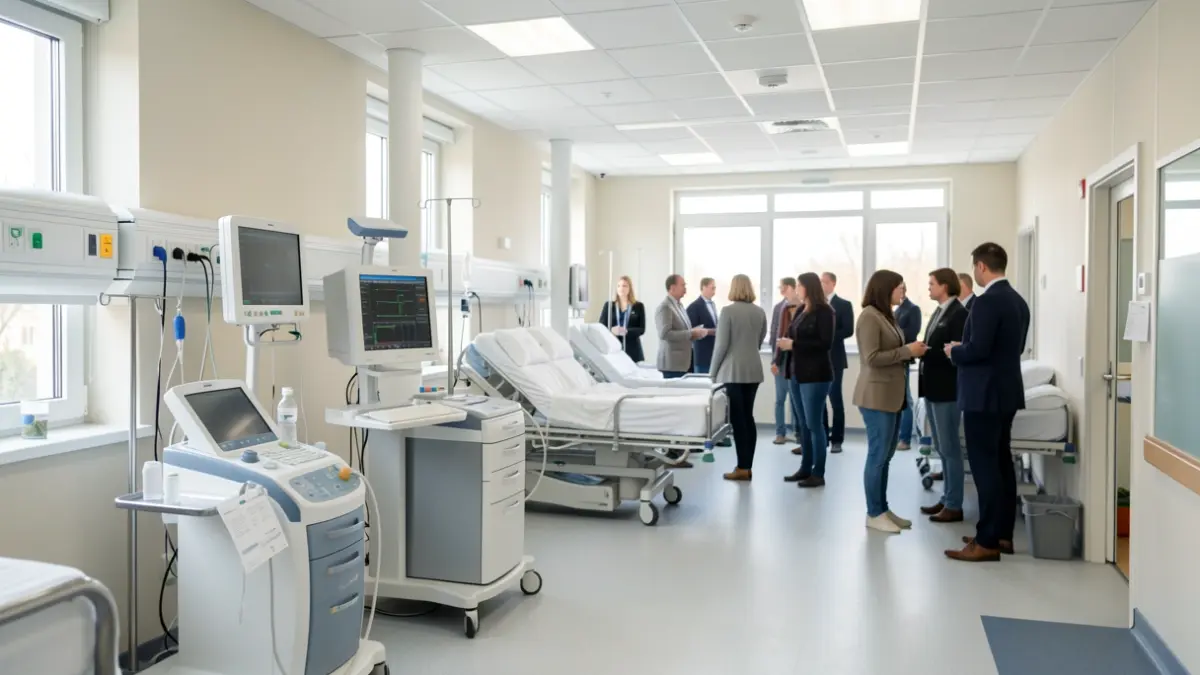
The service has been distinguished for its care model, which prioritizes the well-being of patients and families, interdisciplinary work, and end-of-life care. Patients like Eduardo Martínez highlight the "physical and emotional support and sustenance" received, calling the unit their "home" during their stay and emphasizing continued management and prevention of pathologies associated with the injury.
The Minister of Health of the Canary Islands, Esther Monzón, stressed that this achievement is the result of over 26 years of continuous work and improvement. The unit meets 90% of the 145 standards of the certification program, which evaluates nine strategic lines. This recognition positions the service as a pioneer in Spain and third worldwide in humanization best practices, equating human quality with clinical quality.
Since its establishment in 2000, the unit has treated approximately 1,250 patients. It incorporates technologies such as robotic exoskeletons, virtual reality, and advanced electrostimulation systems, demonstrating that "innovation and humanization are not opposing concepts, but complementary ones," according to Monzón.
The head of the service, José Luis Méndez, and the general manager of the Insular University Hospital Complex-Materno Infantil, José Blanco, praised the "collective effort" of the 62-person team, highlighting their work in making patients feel "more secure, more comfortable," and confident in having the best possible tools to face life after their injury.
Javier Lantigua, director of Aenor in the Canary Islands, and José Manuel Velasco, Coordinator of HU-CI Project Certifications, valued the "collective effort" and the transformation of the "utopia" of humanization into reality.
The unit continues to treat individuals with spinal cord injuries, frequently caused by traffic accidents, falls at home (especially among the elderly), and diving into unknown depths in beaches or pools, which can lead to irreversible spinal cord injuries.