This test is capable of detecting hormonal changes that occur silently in the body long before they become apparent to women. Hormones act as sentinels, foretelling this profound life transition and allowing for measures to be taken to prevent or alleviate its most uncomfortable consequences, such as hot flashes, insomnia, or mood swings.
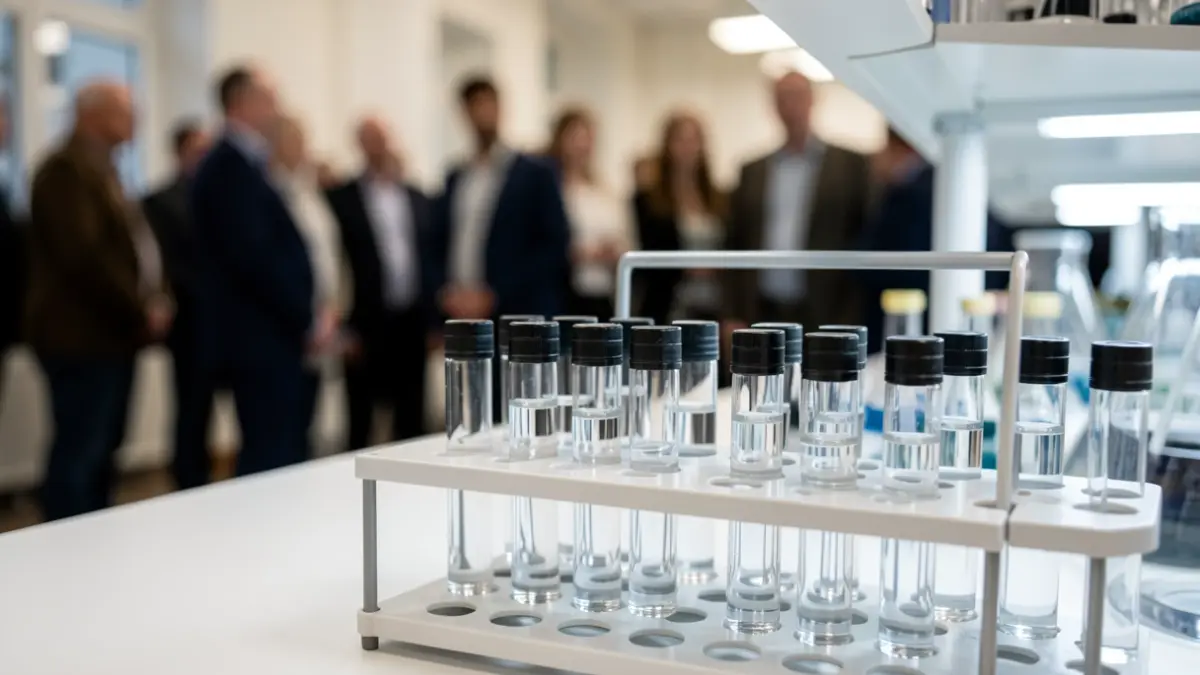
This service is part of the essential activities of the Hormone Section within the Central Laboratory Service of the University Hospital Complex of Canarias (HUC). This often-unrecognized area plays a crucial role in the diagnosis, monitoring, and management of various endocrine, immunological, oncological, and metabolic diseases.
According to specialist physicians, multiple hormones biochemically indicate a woman's life stage. GnRH and estradiol are key to the reproductive and menstrual cycle. When the brain detects a drop in estrogen, it increases GnRH production, which in turn raises LH and FSH, leading to symptoms like hot flashes. Detecting this hormonal shift early allows women to make informed decisions about their physical activity and mental health, preventing severe imbalances.
“"A woman who knows about this change beforehand can take action much earlier and make decisions about her physical activity or mental health, which prevents such an intense imbalance from occurring."
Hormonal analysis not only helps patients make better health decisions but also provides vital information for understanding complex biological processes and supports clinicians' decision-making. Its applications extend to pregnancy monitoring, prenatal screening, tumor control, allergies, and endocrine function.
The section analyzes up to 1,700 samples annually, playing a significant role in detecting potential trisomies in genes 21 (Down syndrome) and 18 (Edwards syndrome) by studying beta-hCG levels. These studies, integrated into multidisciplinary work with the HUC's Reproduction Unit, complement clinical data and ultrasounds to assess risks.
Furthermore, the section conducts biochemical monitoring of pregnancies, aiding in the diagnosis and management of complications like preeclampsia, and assists in diagnosing allergic and endocrine diseases, as well as tumor processes. Thyroid levels are particularly relevant for the population in northern Tenerife. It also monitors immunosuppressants for kidney transplant patients, an area where HUC has extensive experience.