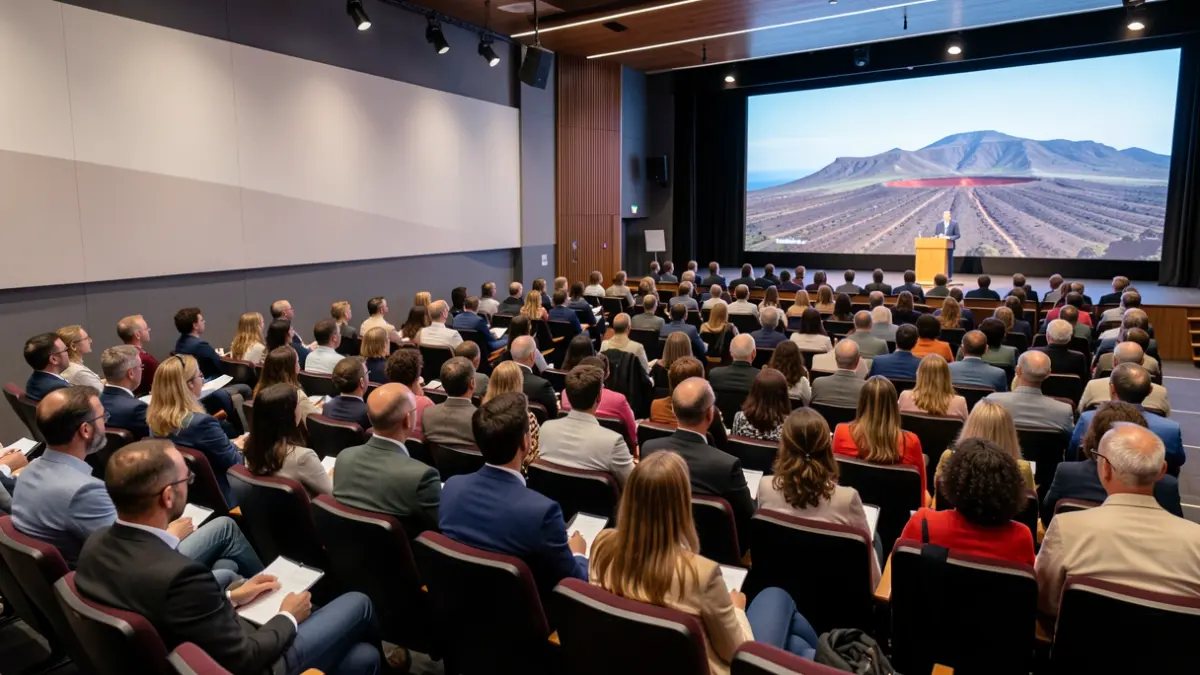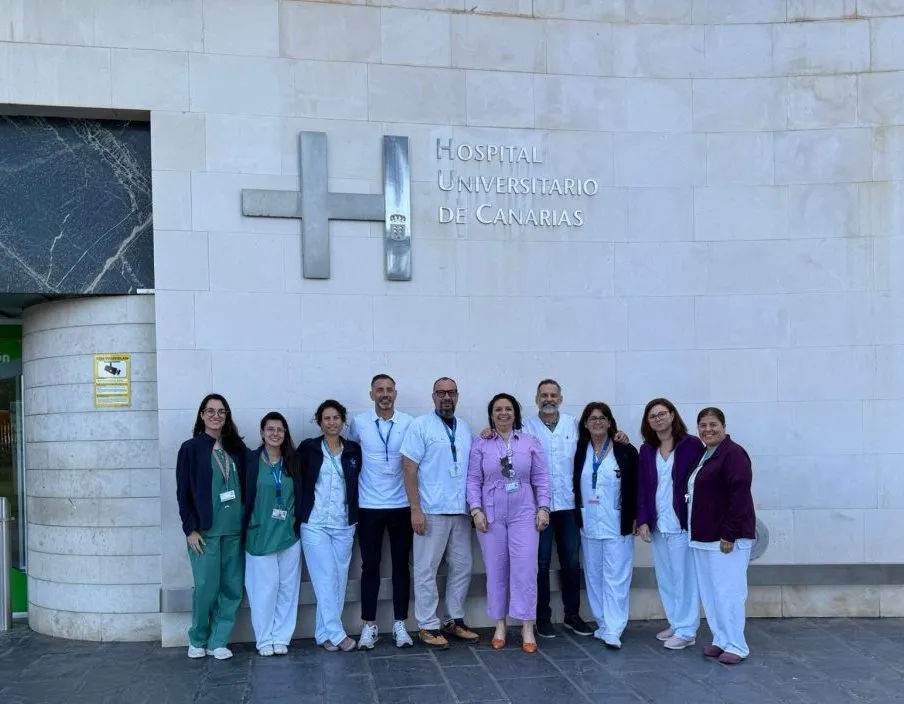
The Congress of the Spanish Academy of Dermatology and Venereology (AEDV) 2026, held in Maspalomas (Las Palmas), has marked a turning point in understanding the skin. Dermatologists have moved from viewing it as a mere aesthetic organ to considering it a central element in longevity and aging processes, with direct influence on the body's internal state.
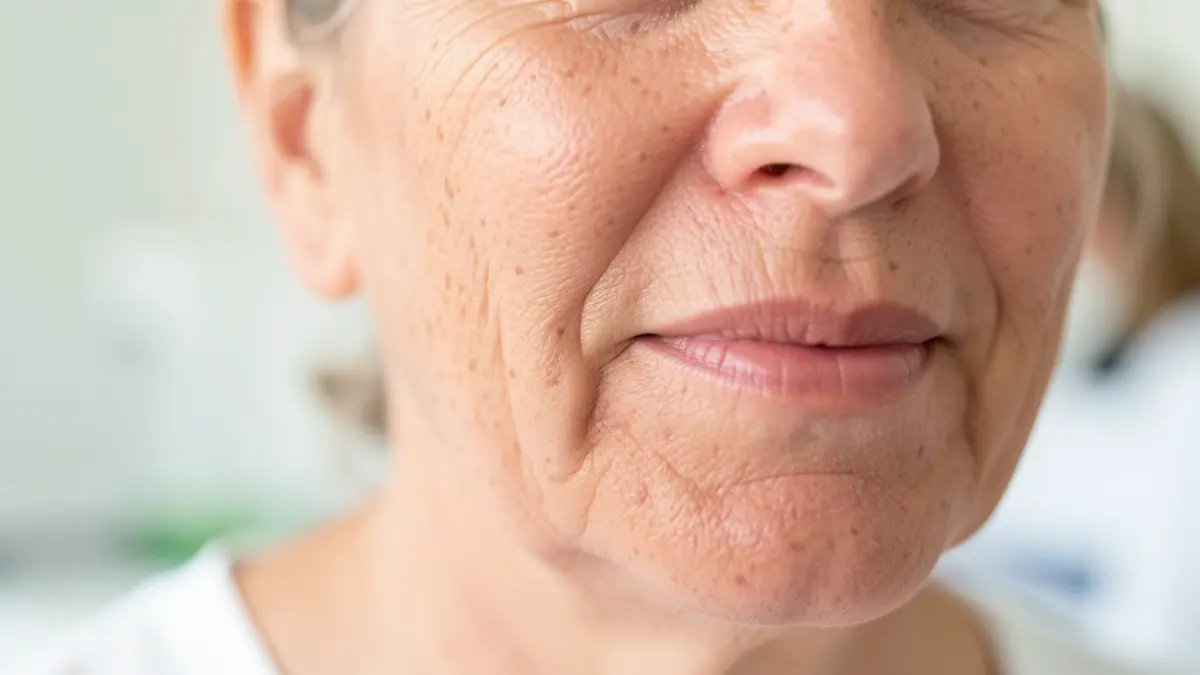
Dr. Jorge Soto, a dermatologist, explained that skin aging shares biological mechanisms with the rest of the organism, such as genetic instability or microbiome alteration. These cutaneous changes, known as the 'hallmarks' of aging, reflect complex systemic processes.
The relationship is bidirectional: skin deterioration can release pro-inflammatory substances that affect organs like the brain and bones, contributing to 'inflammaging' or low-grade chronic inflammation. Research suggests that adequate hydration could reduce this systemic inflammation and the risk of neurodegeneration.
Dr. Almudena Nuño, a specialist in Integrative Dermatology and Longevity, highlighted that the skin cannot be understood in isolation. Factors such as diet, sleep, and stress significantly influence its condition, demonstrating the connection between skin health and overall health.
Integrative Dermatology expands the traditional approach by considering nutrition, stress management, and gut health. For instance, diets are adjusted for patients with acne or rosacea, and stress reduction strategies are implemented.
The gut-skin axis is crucial. Dr. Inés Escandell pointed out that the gut microbiota modulates the immune system and inflammation, directly affecting the skin. Alterations like dysbiosis are linked to acne, rosacea, and atopic dermatitis.
The Mediterranean diet, rich in vegetables and berries and low in ultra-processed foods, is associated with less inflammation and cellular aging. Supplementation with omega-3, vitamin D, or probiotics can be complementary but always under medical supervision.
Healthy lifestyle habits—sun protection, hydration, exercise, balanced diet, adequate rest, and stress control—are pillars for healthy aging. Physical activity, in particular, improves skin structure and elasticity.
The concept of 'geroprotection' is replacing 'antiaging', aiming to optimize aging and improve quality of life, not just slow it down. Dermatology is consolidating as a key discipline in longevity medicine, integrating knowledge of aging biology, inflammation, and lifestyle.