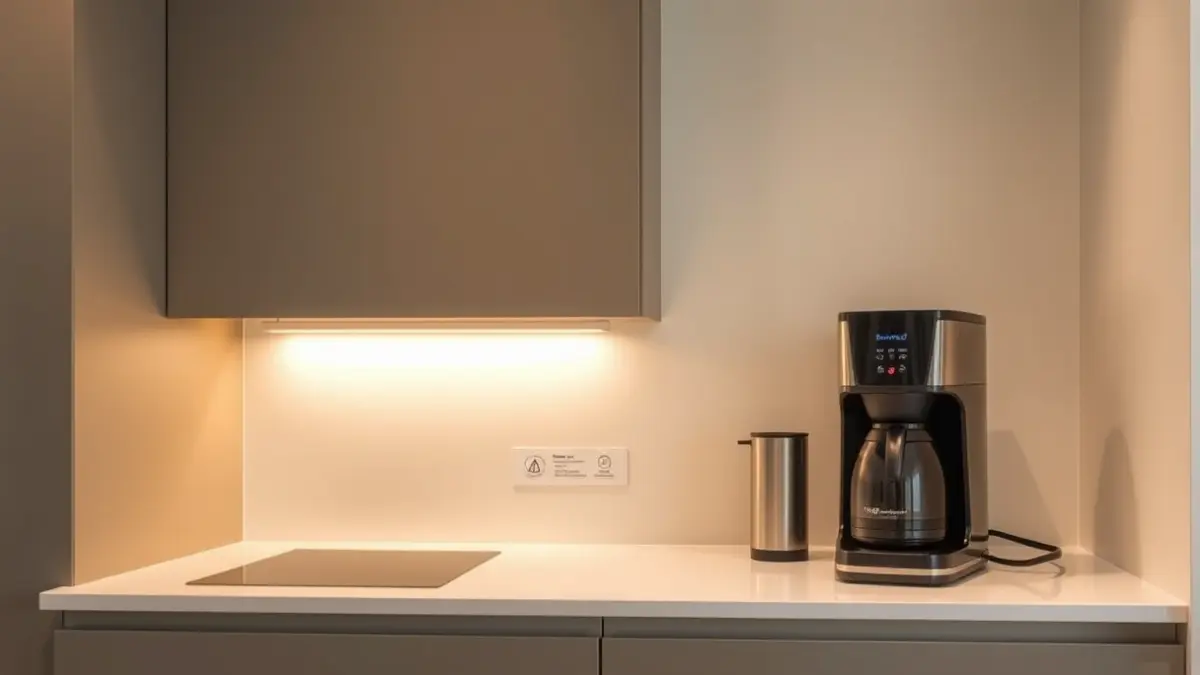
The traditional concept of a home, featuring a living room, bathroom, bedroom, and a central kitchen, is evolving. Current lifestyles, fragmented workdays, and changes in daily routines are pushing culinary arts into the background. Activities like cooking or preparing meals are becoming increasingly distant from the habits of new generations.
Compounding this trend is the continuous rise in housing prices and the reduction of habitable areas, forcing optimization of every square meter. In this context, the kitchen is emerging as the space most likely to be resized or even eliminated.
“"It won't be long before we start manufacturing homes without kitchens."
The economic factor is crucial in this transformation. The increase in price per square meter drives solutions like coliving, where tenants share a single culinary space. Meters previously allocated to the kitchen are now used to enlarge the living room, improve natural light, or create more versatile environments.
This trend is not exclusive to Spain. In Asian countries such as Hong Kong, Singapore, and Thailand, where the custom of eating out is deeply ingrained, homes without kitchens already exist. Dinner, the last meal of the day, is often prepared with just a few utensils.
However, current habitability regulations in the Canary Archipelago hinder this evolution, as they require minimum dimensions and equipment for kitchens. Experts suggest that this legislation, over 20 years old, will need to adapt to new lifestyles and the demand for simpler spaces, similar to hotel kitchenettes with a coffee maker and water heater.
Consumption data confirms this changing trend. Spaniards consume an average of 18 kilograms of ready-cooked meals annually, a 4.7% increase from the previous year, solidifying a decade of growth. According to the Spanish Association of Prepared Food Manufacturers (Asefapre), in the last year, 715,052 ready-to-eat meals were consumed, reaching a market value of 4.309 million euros, a 5% increase.
“"The kitchen is becoming less important in homes, and 'Ready to Eat' continues to grow. By the middle of the 21st century, in about 25 years, there will be no kitchens."
This phenomenon is reflected in the daily lives of many citizens, such as a 23-year-old canoeing coach from Gran Canaria, who, due to his studies and work, has little time to cook, opting for ready meals like curry chicken or Russian salad. These products, especially pasta, rice, and legume-based dishes, are experiencing the highest growth in the market.