The Director General of Coasts and Maritime Space Management of the Canary Islands, Antonio Acosta, defended the need to view the relationship between Canarian cities and towns with the coast and the sea as a shared space. This vision recognizes the social and traditional character, the historical connection to the sea, and the compatibility with leisure areas, while ensuring safety, environmental, heritage, social, and economic criteria.
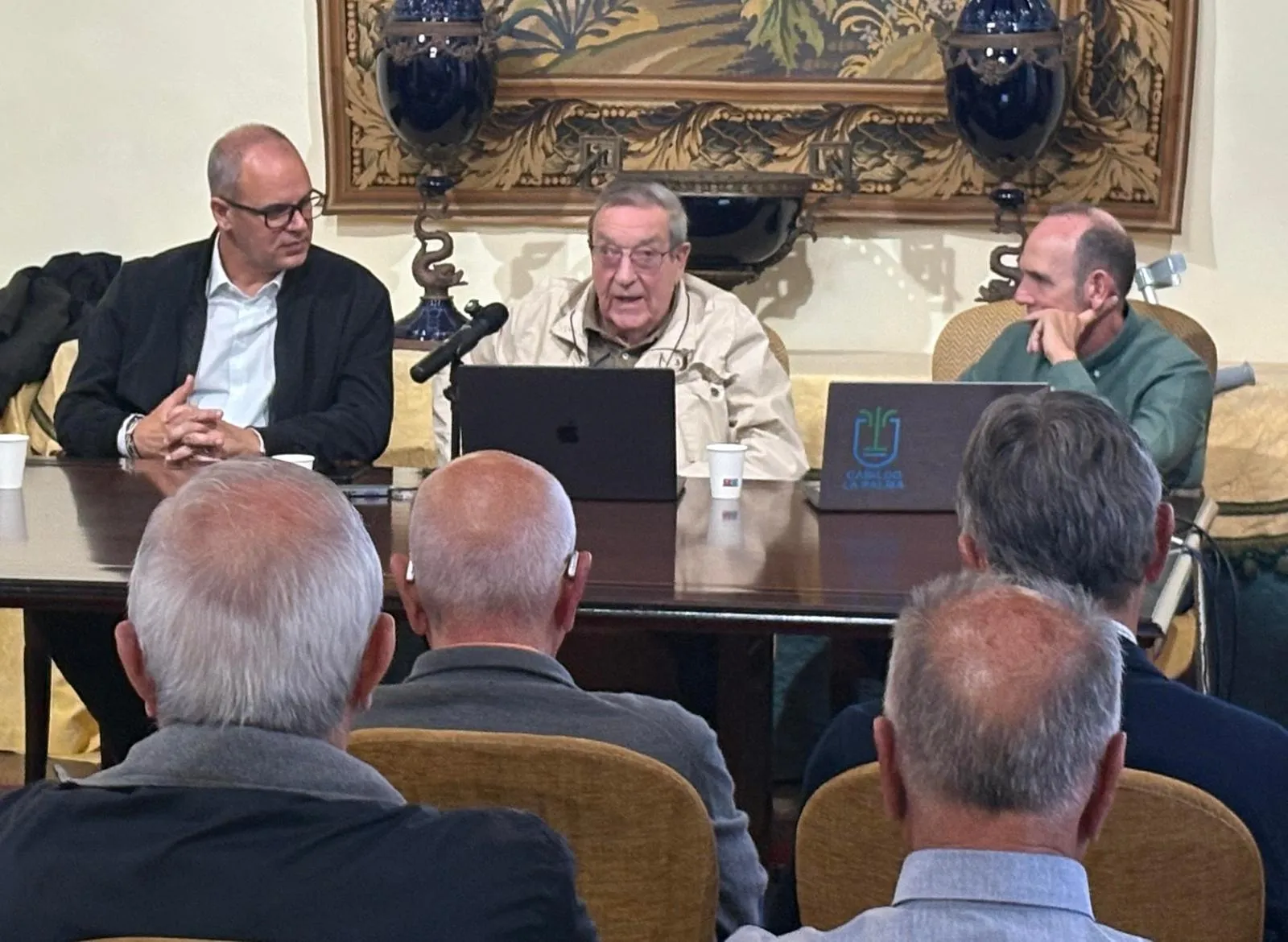
During the closing session of the seminar “The City and the Sea,” held in Santa Cruz de La Palma, Acosta stressed the importance of public administrations collaborating to find solutions that allow progress in both coastal conservation and development, balancing leisure with the protection of heritage and local identity.
Architect Rafael Daranas presented the case of Santa Cruz de La Palma, defining it as a city built by its external connections and its relationship with the sea. He stated that it is necessary to understand the city as a “continuous system” between the historic center, the maritime avenue, and the new beach, where the sea is part of urban life with accessible spaces for leisure and nautical activities.
Daranas analyzed the maritime front of the Palman capital in three zones: the port coast, the urban coast, and the northern coast. He proposed long-term planning and real institutional coordination so that administrations do not act in isolation and citizen quality of life is prioritized, making the coast functional, economically viable, accessible, habitable, and shared.