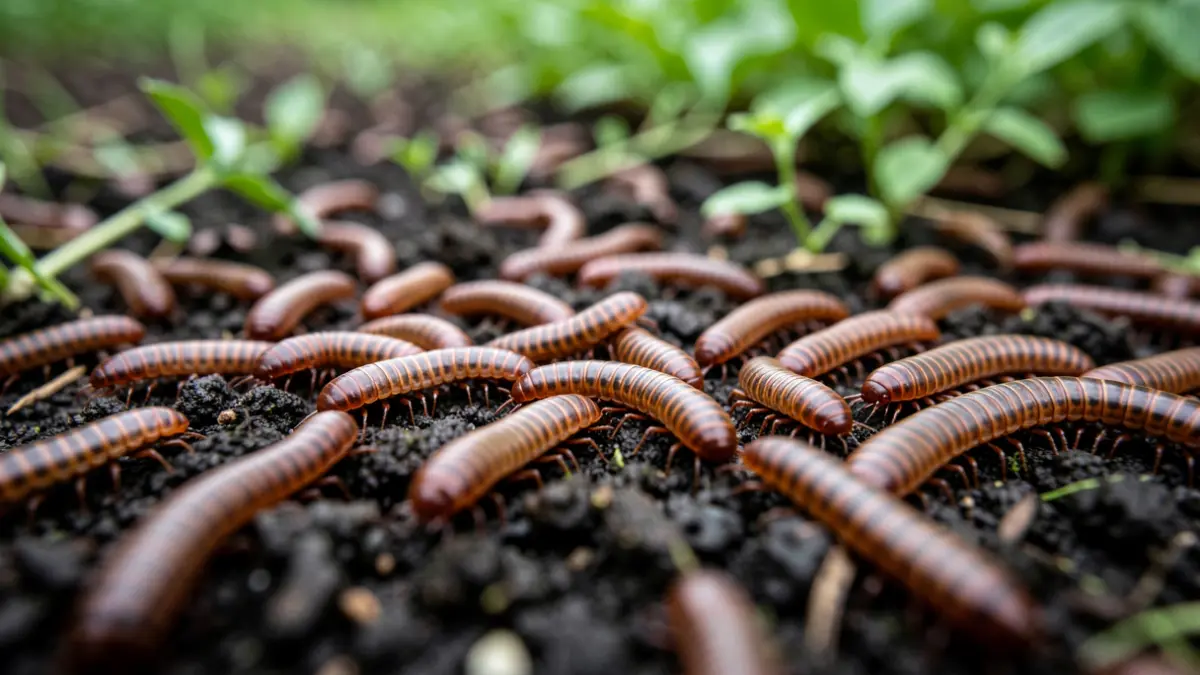
Given the Canary Institute of Agrarian Research (ICIA)'s inability to intervene due to the lack of specific crop damage, the council has broadened its request to other entities with relevant competencies. Contact has been made with the Health Department of the Government of the Canary Islands due to the high presence of these arthropods and the resulting public nuisance, as well as with the Tourism Departments of the Government of the Canary Islands and the El Hierro Island Council, following complaints from owners of properties and tourist establishments.
The request has also been sent to the Environment Department of the El Hierro Island Council to identify potential control measures that would not harm other species or the natural environment. First Deputy Mayor, Magaly González, recalled that this phenomenon is not new to the island, having affected El Hierro for two decades, but noted a "very significant" presence in El Pinar, necessitating the search for advice and solutions.
González emphasized the need to act on the inconvenience caused to residents and requested assistance from all administrations possessing technical knowledge. Meanwhile, the Councilor for Primary Sector Development, Jaisan Morales, highlighted the importance of proceeding with caution and obtaining professional criteria before recommending any treatment, to ensure its effectiveness and environmental safety.
The City Council has also informed the Canarian Federation of Municipalities (FECAM) about the situation to learn from previous experiences in other Canary Islands municipalities that have faced similar episodes, thereby facilitating the search for coordinated solutions.