Island productions garnered five grand gold medals and 12 gold medals in the competition. DOP El Hierro stood out as the denomination with the highest number of recognitions, totaling seven awards. It was followed by DOP Tacoronte-Acentejo with four awards, while DOP Islas Canarias and Abona each received two, and DOP La Gomera and Lanzarote obtained one award apiece.
The Minister of Agriculture, Livestock, Fisheries, and Food Sovereignty of the Government of the Canary Islands, Narvay Quintero, described these results as "a collective success for the Canarian wine sector and a demonstration of the level achieved by our productions." He noted that this recognition confirms that the Canary Islands compete "based on quality, uniqueness, and authenticity."
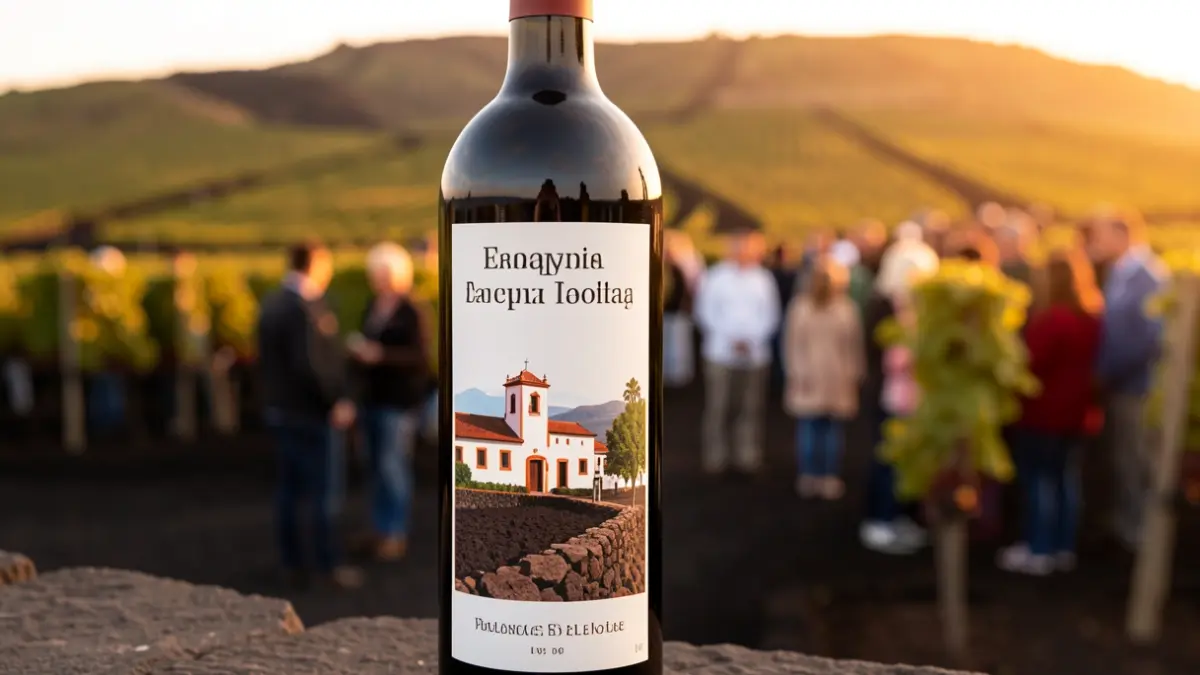
Quintero emphasized that these awards "reinforce the prestige of the Archipelago's denominations of origin and contribute to greater visibility for a unique wine model." He highlighted the participation of Baboso Blanco Viña Frontera 2024 (DOP El Hierro) and El Ancón Tinto Joven 2025 (DOP Islas Canarias), which achieved the highest score in the competition with 95 points and a grand gold medal.
Other wines receiving a grand gold medal include Niray Blanco Joven 2025 (DOP La Gomera), Tágara Marmajuelo sobre lías 2025, and De Javi Blanco 2025 (DOP El Hierro). In the unoaked white category, gold medals were awarded to Pagos de Reverón Malvasía Aromática 2025 and Pagos de Reverón Blanco Seco Ecológico 2025 (DOP Abona), among others.
The organization Pequeñas D.O.’s, aimed at promoting small-sized denominations of origin and fostering native grape varieties, currently represents 71 D.O.s from 15 Autonomous Communities. The jury, composed of fifteen experts, praised the high quality of the samples, reflecting Spain's rich soils, climates, and winemaking traditions.