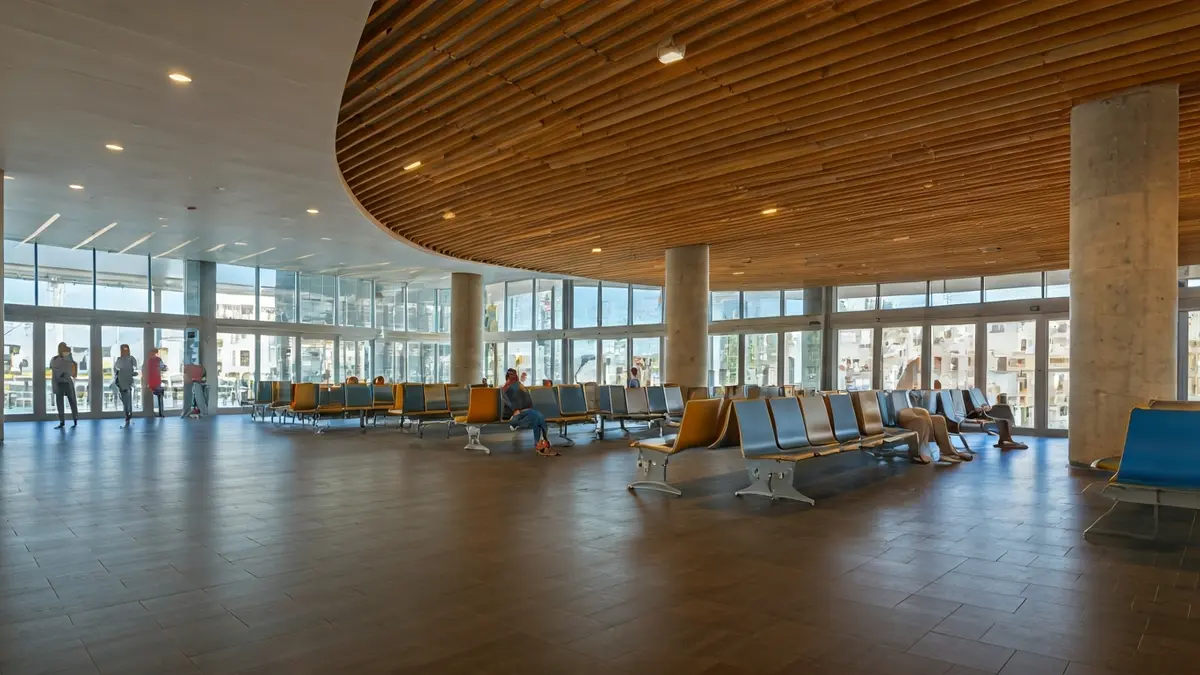
This initiative aims to establish accessible, safe, and suitable public spaces where citizens can seek shelter during periods of high temperatures. Mayor Isidro Pérez emphasized that this project represents a significant step forward in building a more resilient municipality against the challenges of climate change.
“"Collaboration between the different municipal areas and the involved centers is being fundamental to identify the most suitable locations and make them available to the community. Our goal is for these spaces to be clearly identified and accessible to the entire population when necessary."
The Councilor for Citizen Participation, Fernando Vadillo, noted that the City Council is gathering information on the characteristics of municipal spaces that could be part of this network, ensuring they meet the necessary accessibility, safety, and service requirements. This work is crucial for the effectiveness of future refuges.
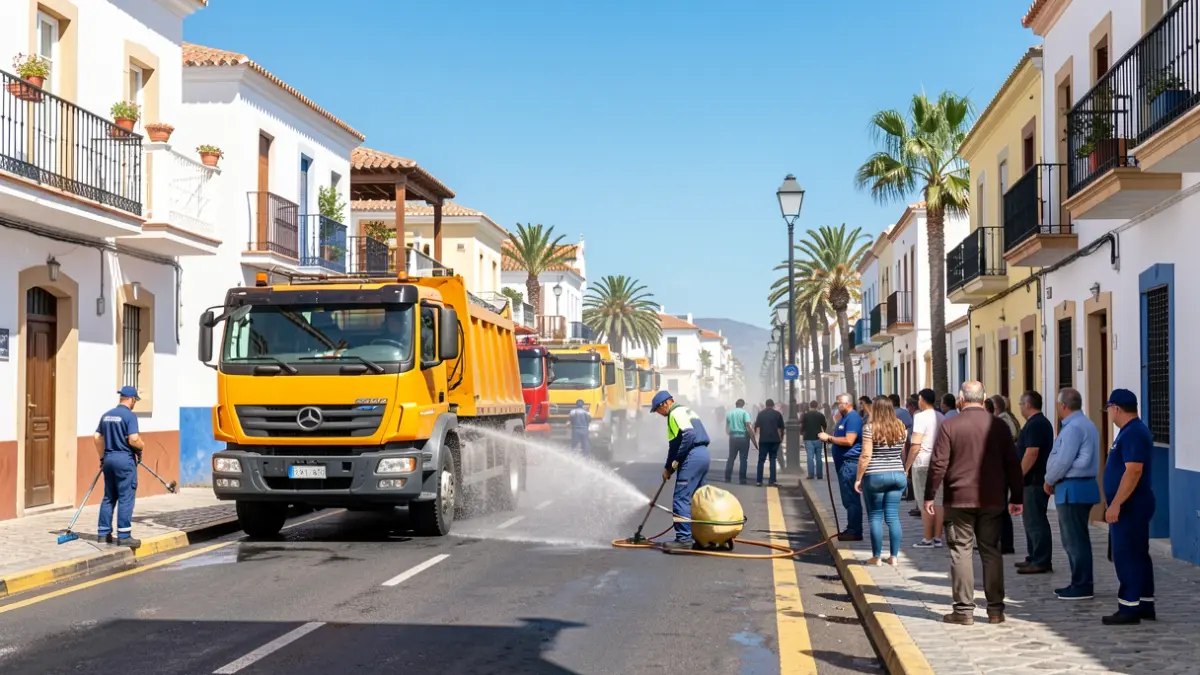
The creation of this network is part of a transversal municipal strategy that addresses the effects of climate change from various management areas. Additionally, the San Bartolomé City Council has promoted complementary measures such as the re-naturalization of public spaces, the incorporation of new green areas and shaded spots, and the replanting of plant species throughout the municipality, in coordination with the Public Services department.
The implementation of these refuges will not only reduce health risks associated with heatwaves but also strengthen the municipal commitment to climate adaptation. Furthermore, it will directly improve citizen well-being by providing safe and accessible spaces during extreme temperatures, contributing to a more sustainable, resilient, and livable municipal model.