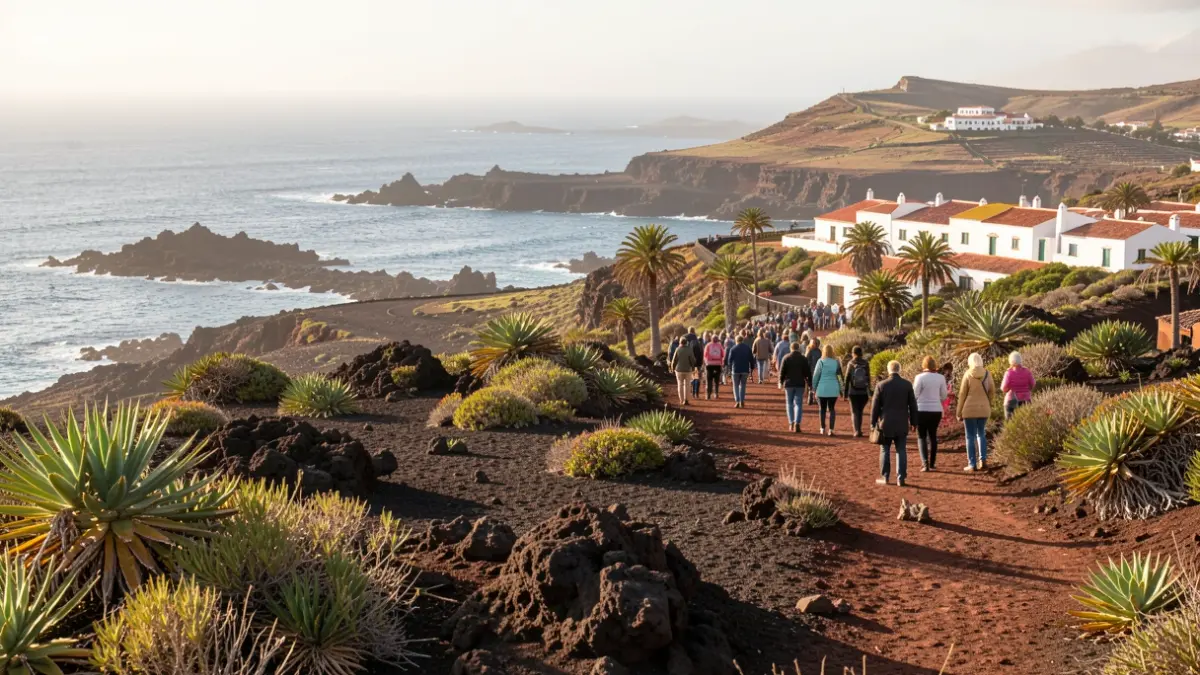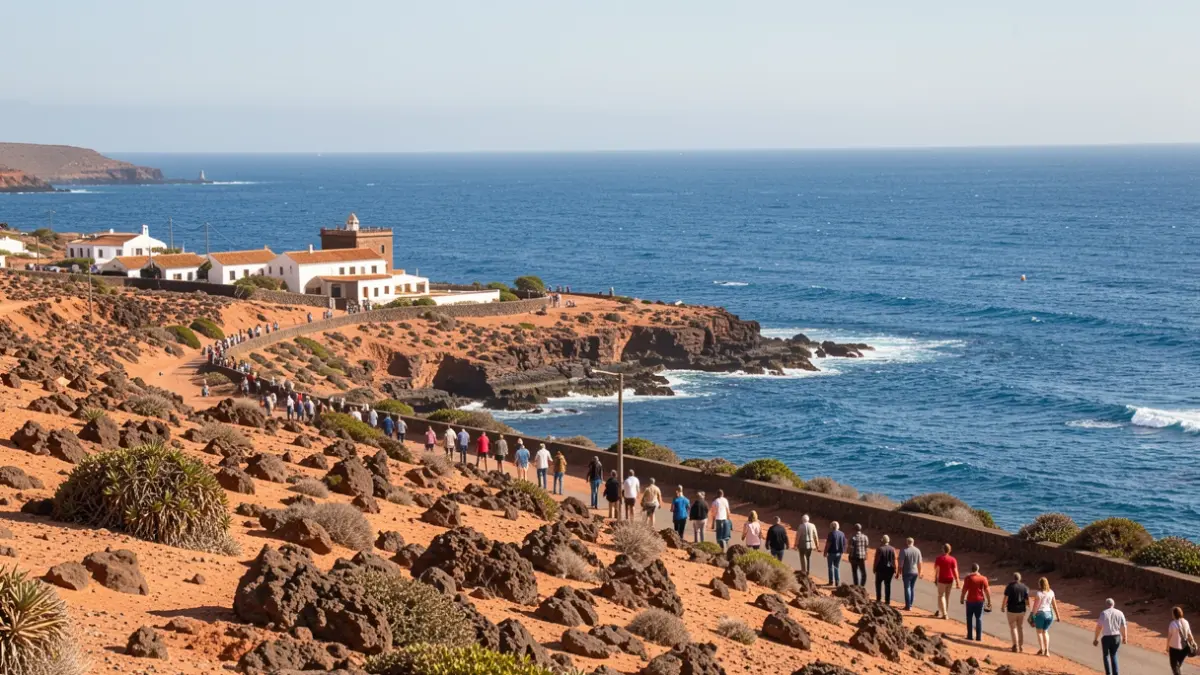
The Fuerteventura Island Council, through its Biosphere Reserve, actively participated in the international meeting, presenting its ecosocial management model in the face of global warming challenges. The island advocated for the protection of its unique arid and marine ecosystems and the need for increased permanent funding for protected areas.
During the working sessions, Fuerteventura highlighted the progress of ECOMARIS, a territorial cooperation project co-financed by the INTERREG MAC Programme. This initiative, led with the ECOAQUA University Institute of ULPGC, aims to promote a sustainable blue economy through advanced technologies like drones and underwater noise monitoring for the management and conservation of coastal and marine environments in the Macaronesia archipelagos.
“"Islands and coastal areas are the front line of defense and the most vulnerable ecosystems to climate change. Being an active part of this network and using innovative tools like those we develop in ECOMARIS is vital for applying local solutions based on science and community participation."
At the multilateral meeting, the Fuerteventura delegation strengthened cooperation ties with other islands and coastal areas affected by rising sea levels and loss of biodiversity. The active involvement of younger generations in environmental governance through pilot educational and youth volunteering initiatives was also emphasized.
Fuerteventura's participation in this forum solidifies its position as a living laboratory within UNESCO's MaB (Man and the Biosphere) Programme, demonstrating that the balance between socioeconomic development, sustainable tourism, and nature preservation is not only possible but essential for the planet's future.