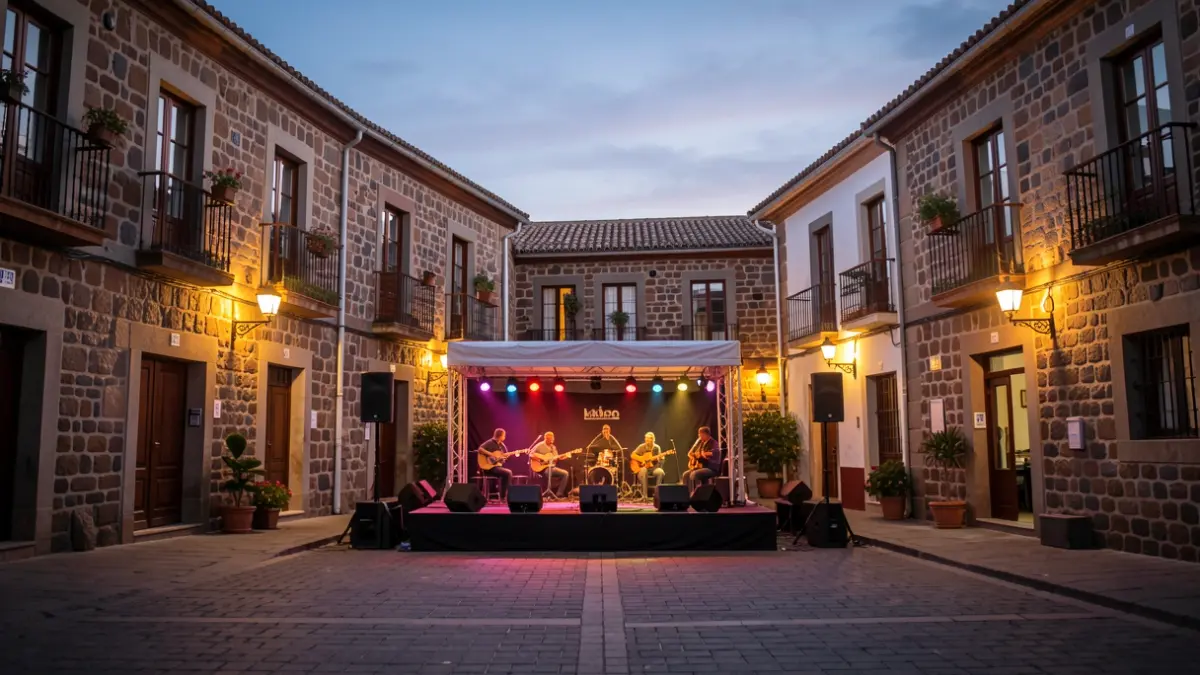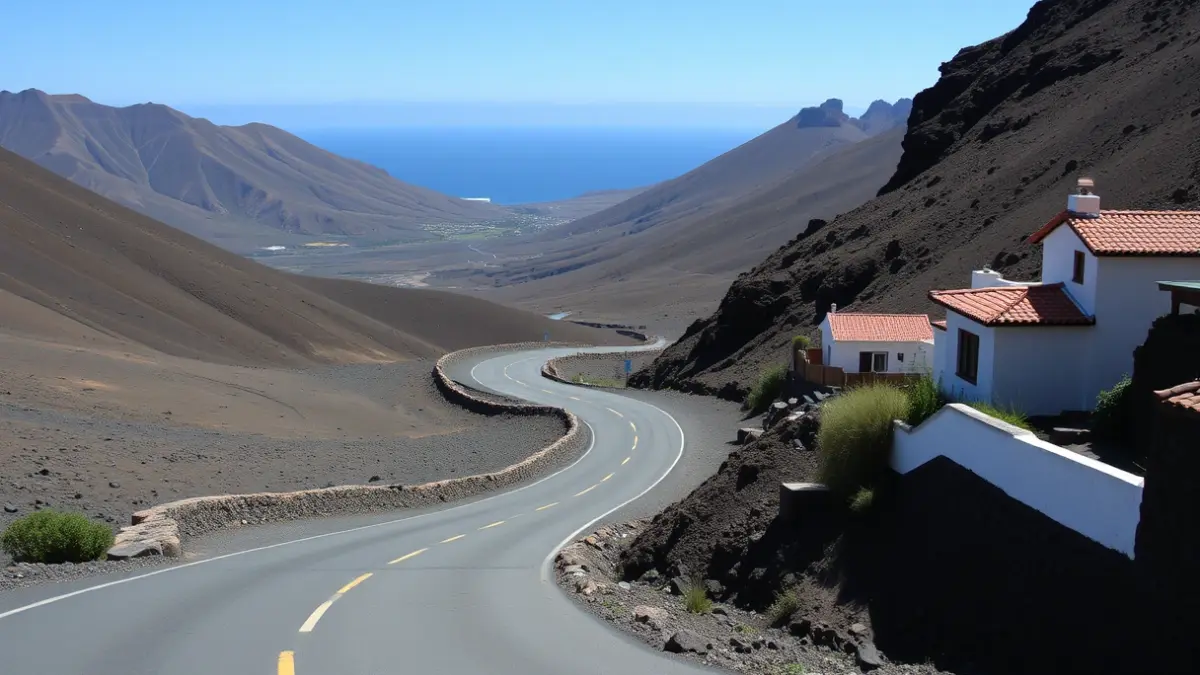
This musical project is conceived as a visual and auditory itinerary, where each song is linked to a specific place on the island. The intention is for the public to enjoy El Baifo as envisioned by the singer, connecting the music with the landscapes that inspired it.
Among the featured tracks are Caprichoso, a reggaeton that breaks traditional romantic molds, and El Baifo, a celebration of 2000s sounds with Canarian influences, including the timple. The latter, though composed outside the archipelago, encapsulates the island's identity with a chorus that resonates with any local inhabitant.
The musical route leads from the descent of La Isleta, marking the entrance to the capital, to the northwest of Gran Canaria, where the coastal road and the mountain of Gáldar become protagonists. The Sardina Lighthouse, a spot already familiar to the artist's followers, also serves as an inspirational setting. The track Gáldar, featuring Tonny Tun Tun, is a direct nod to this municipality, crucial in the creative process.
The album includes hits like Scandic, which has reached number one on Spanish charts, and Al Golpito, the artist's own favorite song. This danceable vallenato, which fuses the Canarian philosophy of living calmly, features the group Nueva Línea, whose four female voices enrich the piece. Another track, 2010 y pico, evokes nostalgia for past times, while Algo va a pasar, in collaboration with Los Rookies (Lucho RK, La Pantera, and Juseph), reaffirms the energy of a new Canarian musical generation.
The journey also delves into the island's interior, reaching Tejeda, considered one of Spain's most beautiful villages, sheltered by Roque Nublo and Bentayga. This location is the epicenter of a renowned chef's gastronomic universe, who has elevated Canarian identity through his cuisine. In this setting, the album introduces genres like bossa nova with Flakito and afrobeat with Hookah y Calor.
The album culminates with Mi Balcón, a ballad with a Canarian accent thanks to Hirahi Afonso's timple, and Hijo de Volcán, the closing track performed with Los Gofiones. This last piece, considered the most “pure and honest” on the album, is a tribute to the islands' roots and sounds, with the timple, chácaras, and Herreño drum weaving a deeply moving soundscape.
El Baifo is not just a collection of songs, but an emotional map and a tribute to the land that beats in every measure. It is a work that embraces tradition without renouncing modernity, celebrating Canarian identity and projecting it to the world.