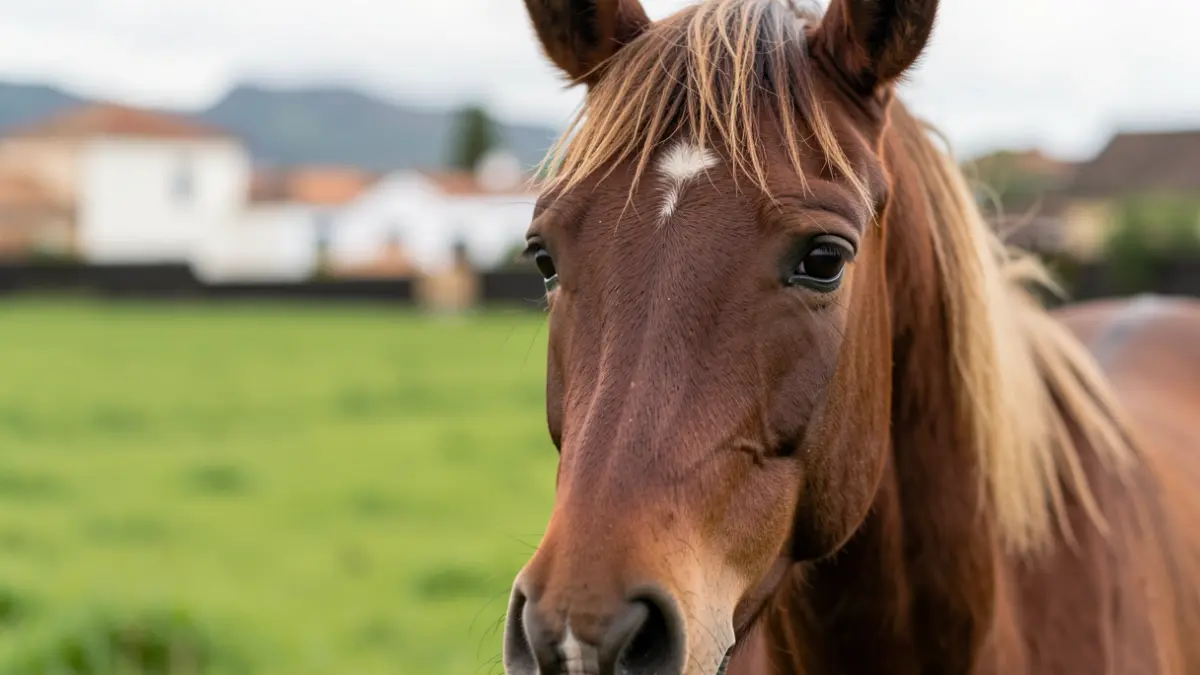
The national surveillance program for West Nile Fever has identified an affected equine specimen on a farm in Santa Brígida, Gran Canaria, which houses 54 horses. Other animals at the facility show no symptoms. This finding follows the detection of three previous positive cases on August 20th in the south of the island, marking the first confirmation of the virus in the archipelago.
Additionally, three samples from suspected cases in different municipalities of Gran Canaria and La Palma have been analyzed, all yielding negative results. The Directorate General of Livestock is continuing epidemiological and follow-up investigations in coordination with the Ministry of Agriculture, Fisheries and Food and the Directorate General of Public Health.
The Directorate General of Public Health of the Canary Islands Health Service (SCS) has intensified entomological and epidemiological surveillance since August 20th. These actions, carried out in collaboration with the Directorate General of Livestock and the Institute of Tropical Diseases at the University of La Laguna (ULL), aim to detect potential compatible clinical presentations, especially in individuals with a history of residence or stay in affected areas.
It is reminded that most West Nile virus infections are asymptomatic, although approximately 20% of infected individuals may develop neurological complications. Healthcare professionals have been informed to maintain a high level of vigilance for potential cases.
West Nile Fever is a viral disease transmitted by mosquitoes of the genus Culex, primarily affecting birds and potentially spreading to equines and humans. Both horses and people act as dead-end hosts, neither transmitting the infection nor serving as reservoirs. During the 2026 season, the virus has also been detected in Andalusia, Catalonia, and Extremadura.