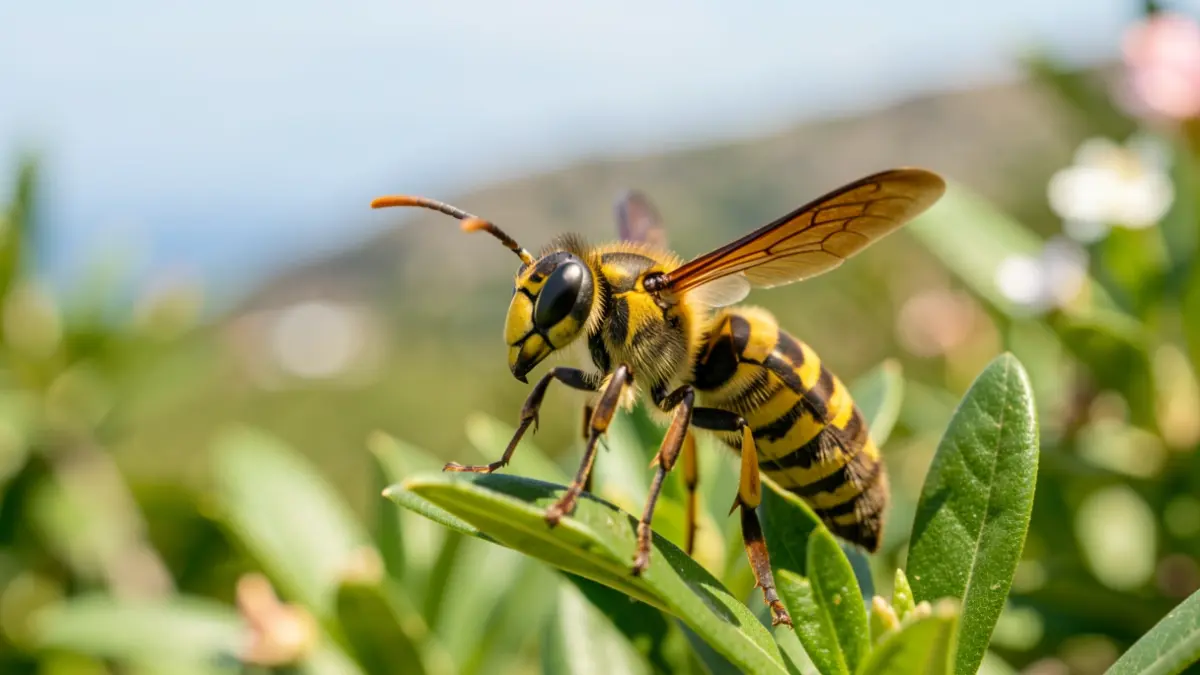
The presence of the Asian hornet (Vespa velutina ssp. nigrithorax) in Gran Canaria represents a direct danger to beekeeping, as these insects prey on bees, including the endemic Canary black bee (Apis mellifera mellifera), which is of livestock value.
ApiGranca emphasizes the crucial importance of early detection to locate, identify, and control or eradicate new outbreaks of this invasive species before they can spread. The beekeeping organization highlights the need to strengthen coordination between the RedEXOS network and public administrations to ensure an effective response to any suspicion.
The association warns that the conditions in the Canary Islands are conducive to the arrival and establishment of invasive alien species. Therefore, they call for constant surveillance in apiaries and other sensitive environments on the island.
Furthermore, citizens are urged to cooperate by reporting any sightings to the emergency service 1-1-2. They can also send photographs or videos of suspicious wasps and nests to the WhatsApp number of the Early Detection Network for Exotic Species (RedEXOS), at 646-601-457.