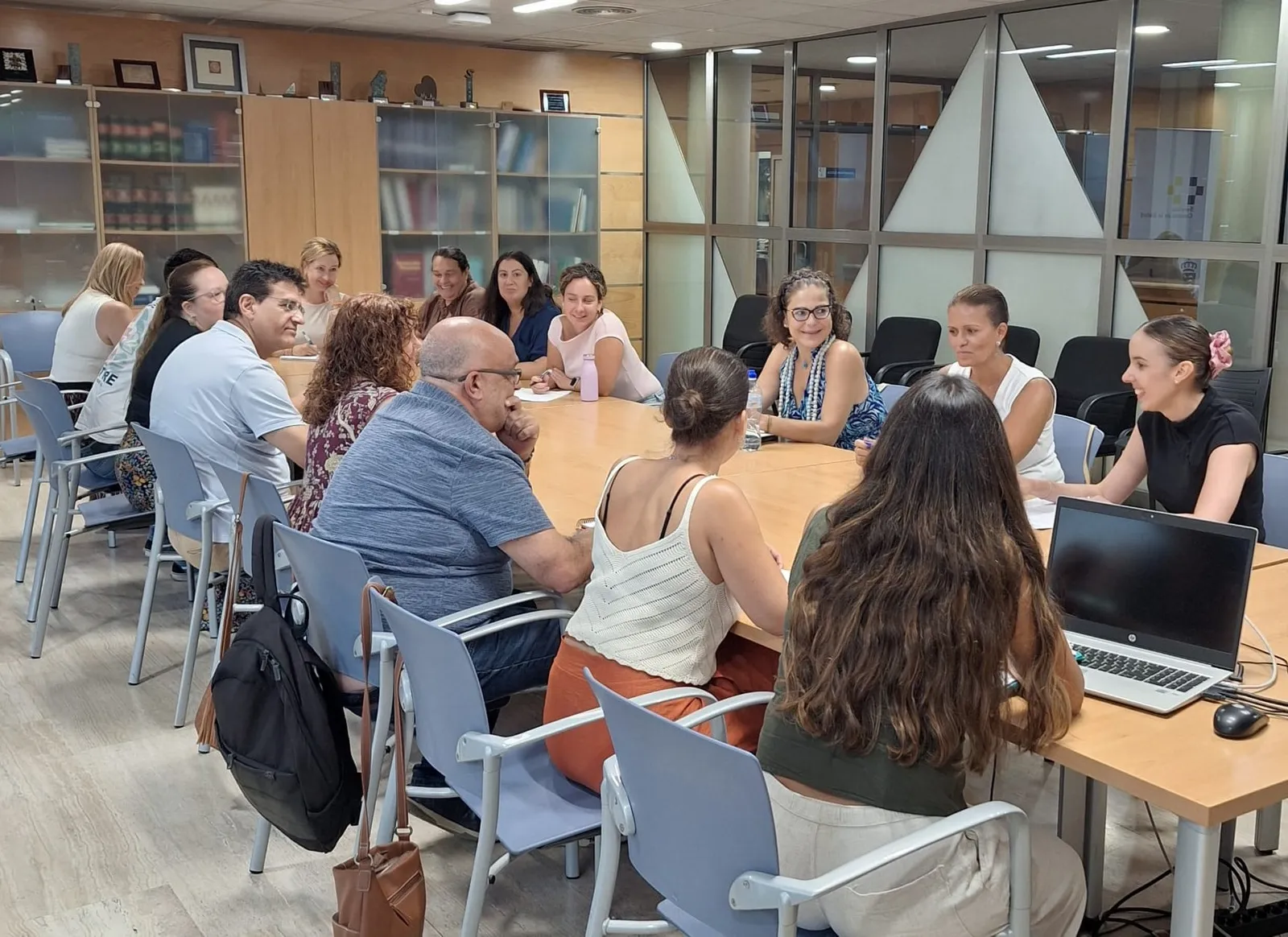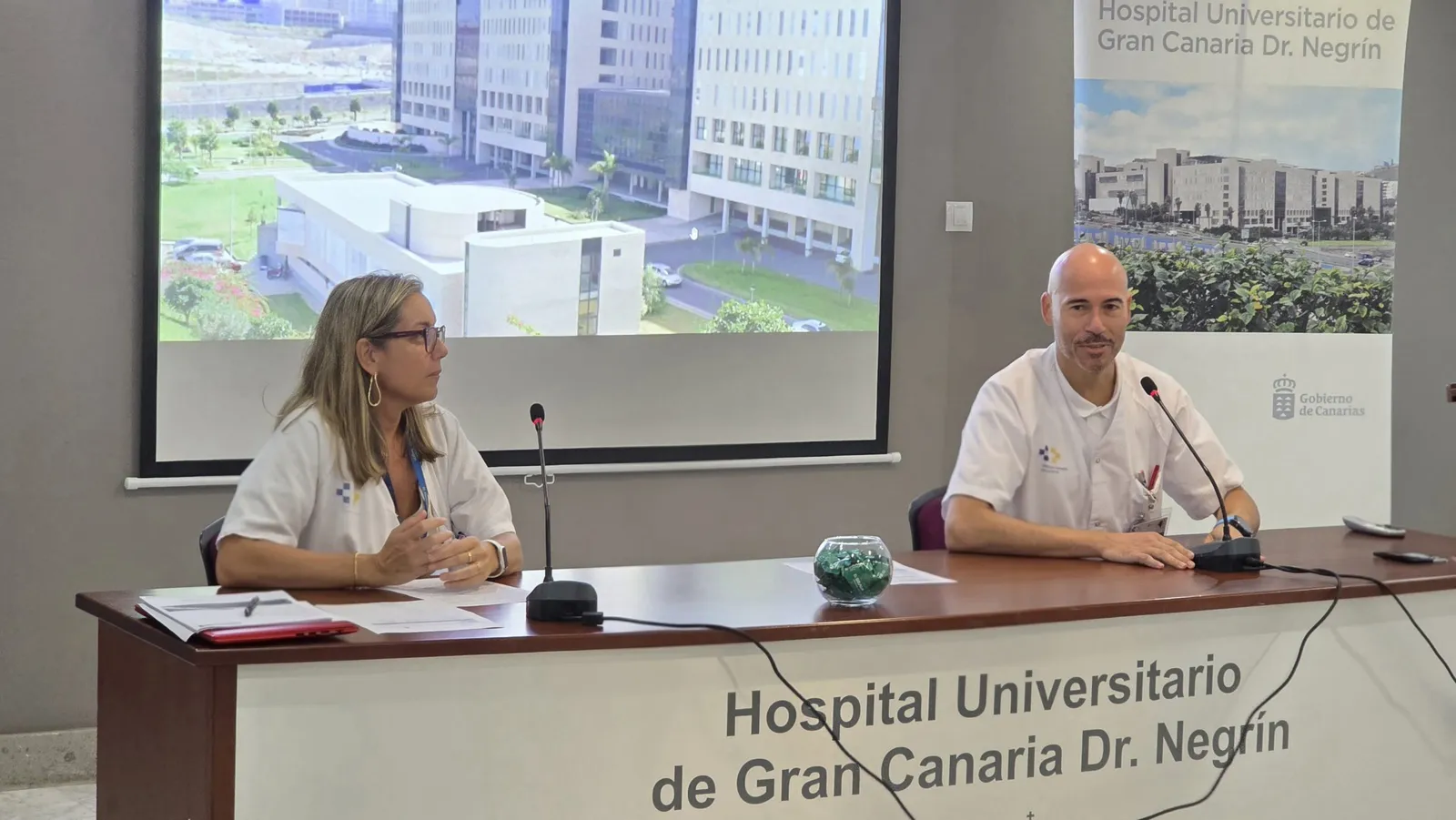
The Diego Falcón and Tabaiba classrooms at the Gran Canaria Doctor Negrín University Hospital hosted the II World Ostomy Patient Day Conference, organized by the Nursing Directorate. The event aimed to foster understanding and comprehensive support for people with ostomies, with participation from healthcare professionals and patients.
The conference featured various talks and a practical workshop. Topics covered included stoma management, sexuality ('Sexostomizad@s'), rights and resources after hospital discharge, and a workshop on pelvic floor and hernia prevention. The Canary Islands Ostomy Association (AOCAN) and the Canary Islands Association of Crohn's and Colitis Sufferers (ACCU Canarias) collaborated on the initiative, which seeks to improve patients' quality of life and promote self-care.
An ostomy is a surgical opening in the abdominal wall to divert digestive or urinary contents. The Doctor Negrín Hospital has a specialized clinic that supports these patients from before surgery through post-discharge follow-up. The enterostomal therapy nurse plays a crucial role, assisting with stoma site marking, appliance management, complication prevention, and supporting adaptation at home. This work is part of a multidisciplinary team including general and digestive surgery, urology, oncology, physiotherapy, mental health, social work, and case management nursing.
The hospital's ostomy clinic conducted a total of 2,520 visits in 2025, including pre-operative consultations, inpatient follow-up, and post-discharge reviews. That same year, 140 new ostomies were performed, and 90 have been performed so far in 2026. The clinic also develops continence techniques.
In line with the BPSO program and the humanization of care, the clinic assesses quality of life using the Stoma-QoL questionnaire. The ostomy clinic is pursuing certification in the humanization of care, a recognition currently held by only ten consultations in Spain. For the second consecutive year, it has received recognition from the Spanish Society of Expert Nurses in Enterostomal Therapy (SEDE) for its humanization model.