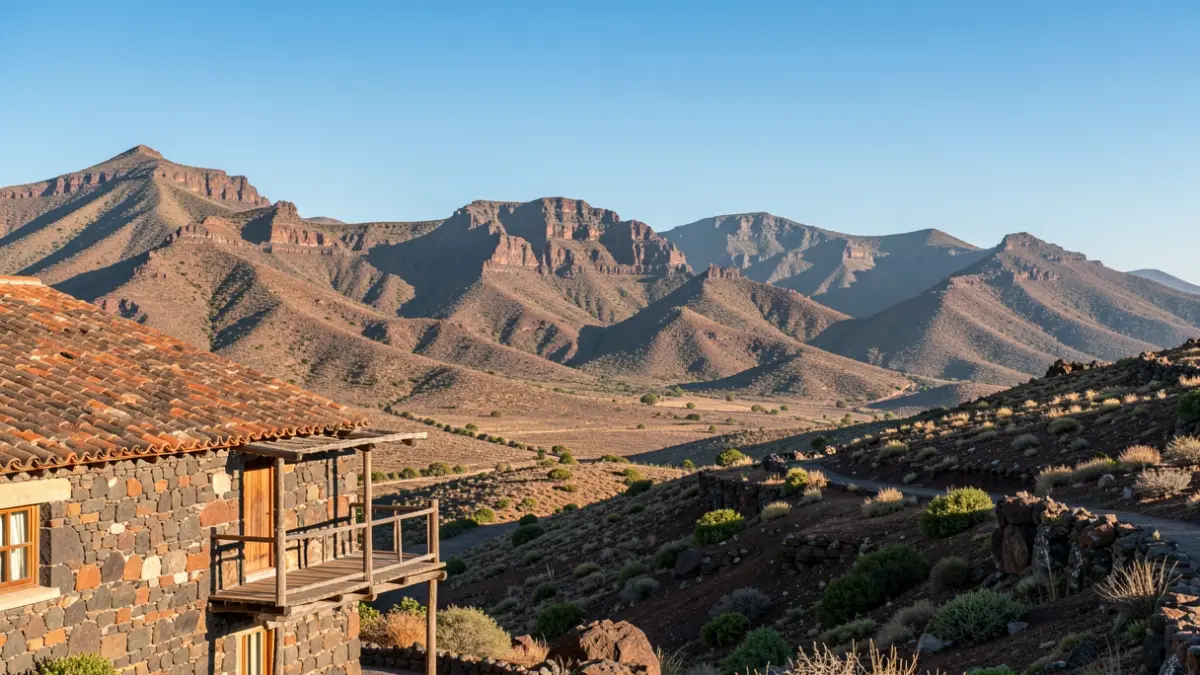
Last Friday marked the seventh anniversary of the inscription of the Cultural Landscape of Risco Caído and the Sacred Mountains of Gran Canaria onto the UNESCO World Heritage List, a milestone achieved on July 7, 2019. The main event took place at the La Cilla viewpoint in Artenara, serving to celebrate the living heritage of the island's highlands and explore its future potential.
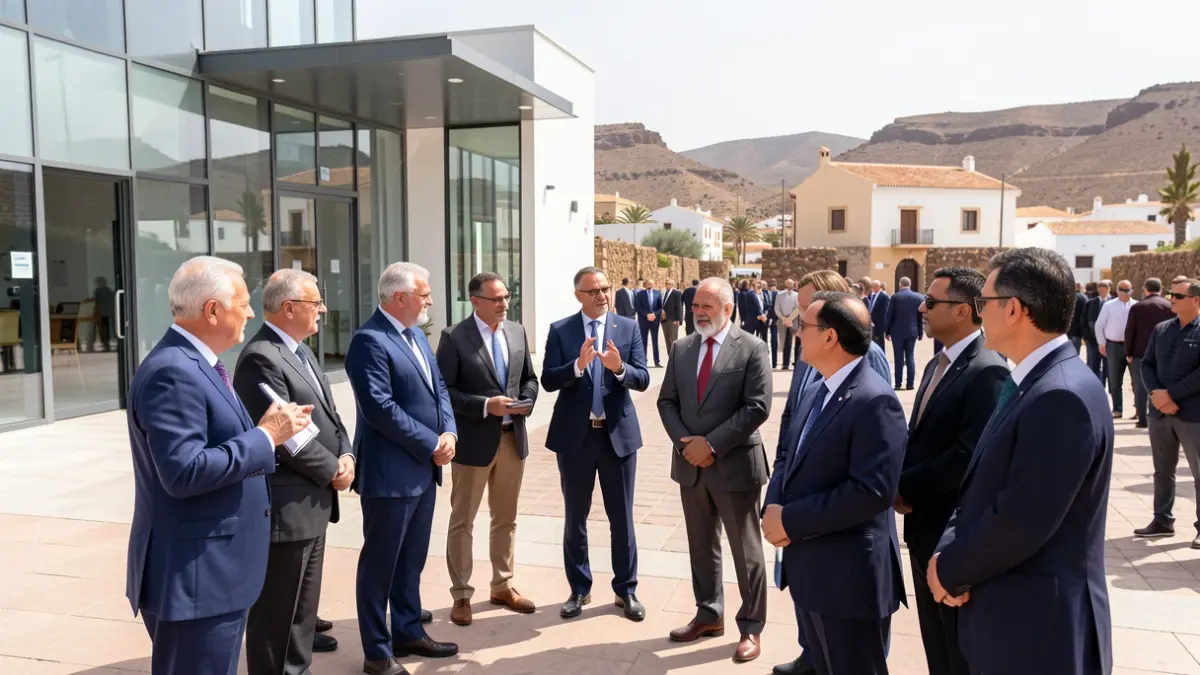
The day, organized by the Institute for the Integrated Management of World Heritage and the Biosphere Reserve of Gran Canaria, was attended by the island's Minister of Presidency and Sustainable Mobility, Teodoro Sosa, alongside the mayors of Artenara, Jesús Díaz, and Tejeda, Francisco Juan Perera. Activities unfolded on the esplanade and within La Cilla, a space restored by the Cabildo.
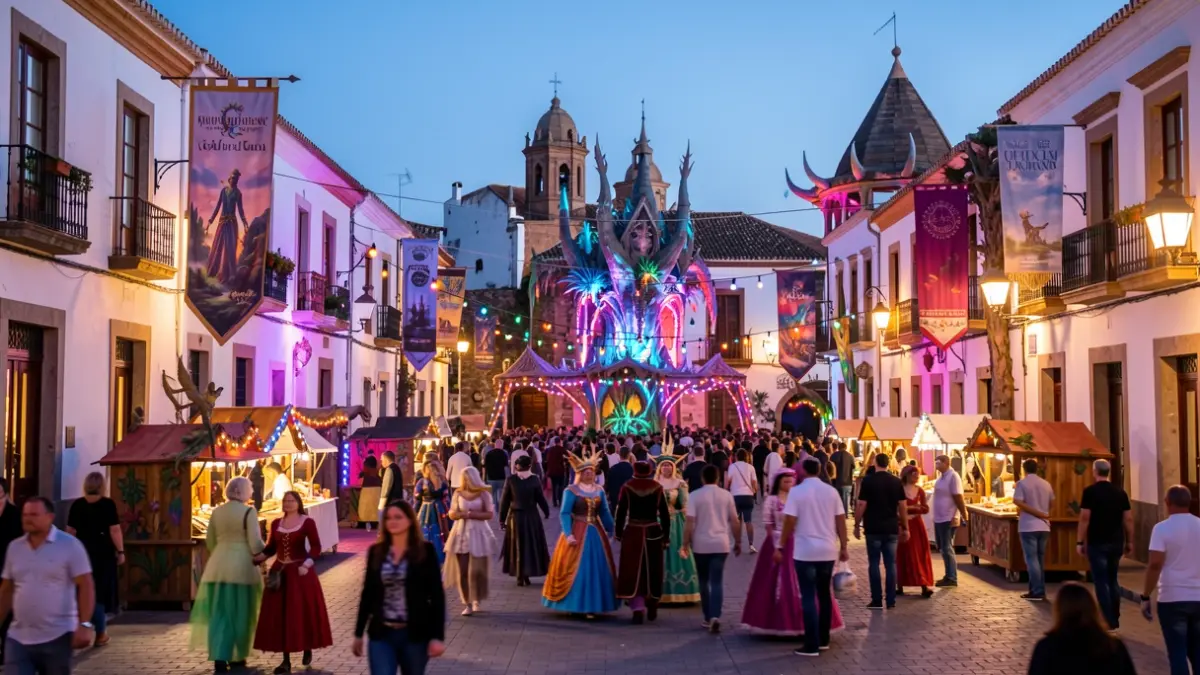
The program aimed to highlight the territory's active cultural heritage and strengthen the connection between the local community and this internationally recognized site. Celebrations included demonstrations of traditional cultural practices such as the Salto del Pastor (Shepherd's Leap) and the Silbo (whistling language), along with performances of Canarian traditional music on the esplanade. Afterward, a traditional 'enyesque' (snack) was offered inside the viewpoint.
“"The declaration was not the culmination, but the beginning of the recovery and revaluation of our highlands."
Following the cultural activities, an astronomical observation session took place after 10:30 PM, taking advantage of the exceptional viewing conditions offered by this emblematic enclave of the Cultural Landscape, whose astronomical values are essential to its World Heritage status.
The Cabildo of Gran Canaria is nearing completion of the execution project for the Mirador de La Cilla, with plans for its upcoming tender. The intervention includes the rehabilitation of the restoration area and the conversion of the entrance tunnel, carved into the rock, into an interpretive space focused on the flavors of the Cultural Landscape, all within a budget exceeding one million euros.
Minister Teodoro Sosa emphasized that the World Heritage declaration has spurred the recovery and revaluation of the highlands. He mentioned the network of Interpretation Centers already operational, such as Risco Caído in Artenara, the Bentayga Interpretation Center, the Information and Management Center and the Degollada Becerra Visitor Center in Tejeda, and the Los Caserones Interpretation Center in La Aldea de San Nicolás, in addition to the upcoming completion of the Barranco Hondo de Abajo Interpretation Center in Gáldar.
Sosa further stated that these centers ensure management based on conservation, protection, study, sustainable development, and promotion, safeguarding the assets of these territories recognized by UNESCO. Over 170 kilometers of Long Distance Trails (GR-138 World Heritage and GR-139 Biosphere Reserve) and other routes have been completed, while the Integral Management Plan for the World Heritage Site and Biosphere Reserve is progressing with over 150 actions.
The minister stressed the Cabildo's commitment to ensuring these recognitions translate into archaeological research, territorial conservation, opportunities for the highland municipalities, and a stronger bond between the population and this shared space.
“"Because a Cultural Landscape is only truly preserved when the people who live alongside it feel it is their own. And that is, perhaps, the best way to understand what we are celebrating today: not a heritage we look at from the outside, but a heritage we continue to inhabit."