This agreement, now in its third edition following pacts in 2018 and 2023, highlights the crucial role of grazing in the island's strategy against major fires. Signed on April 15, 2026, it solidifies a framework of mutual commitments to combine food production with environmental objectives.
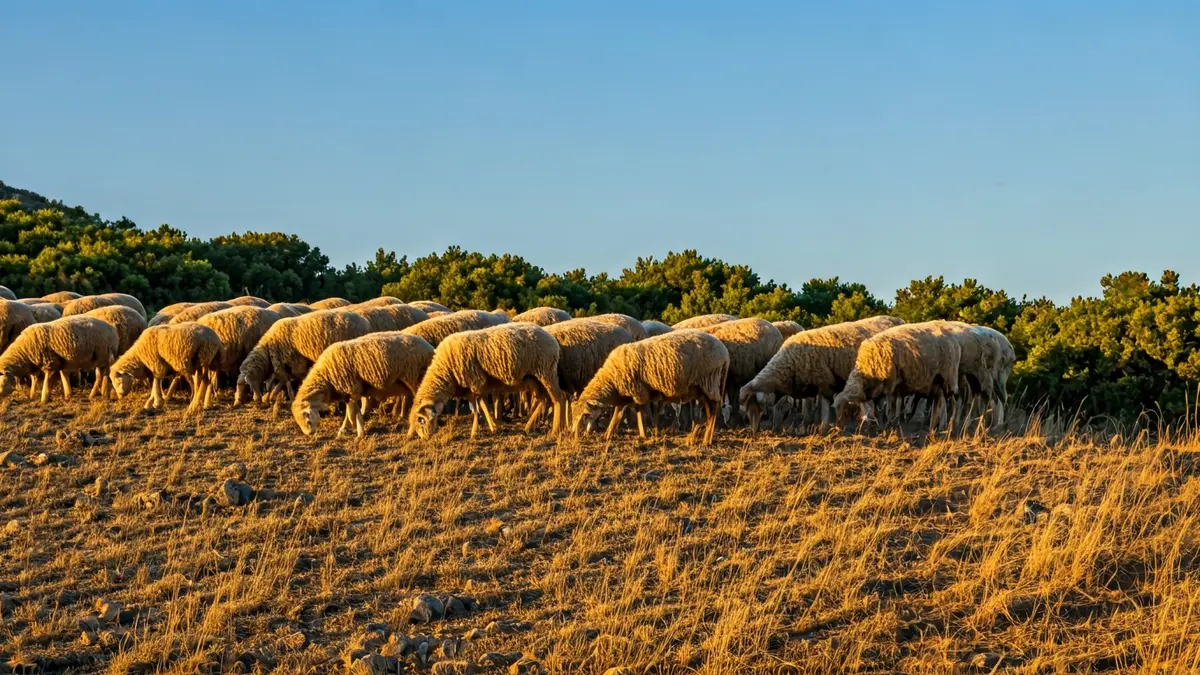
The island institution, through the Gran Canaria Mosaico program, will continue to provide financial compensation to livestock families for their preventive work. Additionally, it will promote the improvement and expansion of pastures, support transhumance, and value livestock trails as intangible cultural heritage. The pact also includes strengthening generational succession through the continuation of the School of Shepherding and Livestock Farming and collaboration with Canarian universities for scientific research.
For their part, the livestock sector commits to preventing the wilding of livestock and removing feral animals from the natural environment, thereby contributing to responsible territorial management. The signing ceremony took place at Finca de Osorio and was attended by prominent figures such as Antonio Morales, president of the Cabildo de Gran Canaria; Raúl García Brink, counselor for Environment, Climate, Energy and Knowledge; and Miguel Hidalgo, counselor for Primary Sector and Food Sovereignty.
The renewal is part of the island's strategy for preventing large forest fires, Gran Canaria Mosaico, aimed at restoring mosaic landscapes, diverse and with lower risk, combining natural areas with agricultural, livestock, and forestry activities.
The continuation of this pact coincides with the fifth consecutive year that the Cabildo de Gran Canaria has compensated livestock families for organized grazing in areas deemed relevant for prevention. For the 2026 call, 59 grazing areas, covering over 2,700 hectares, have been offered, with an annual budget exceeding 126,000 euros. As a new feature, authorizations will last for three years (2026-2028), a measure announced to provide greater stability to the sector.
This agreement also aligns with the International Year of Rangelands and Pastoralists, declared by the United Nations General Assembly, which seeks to highlight the importance of livestock communities in environmental sustainability and ecosystem conservation.