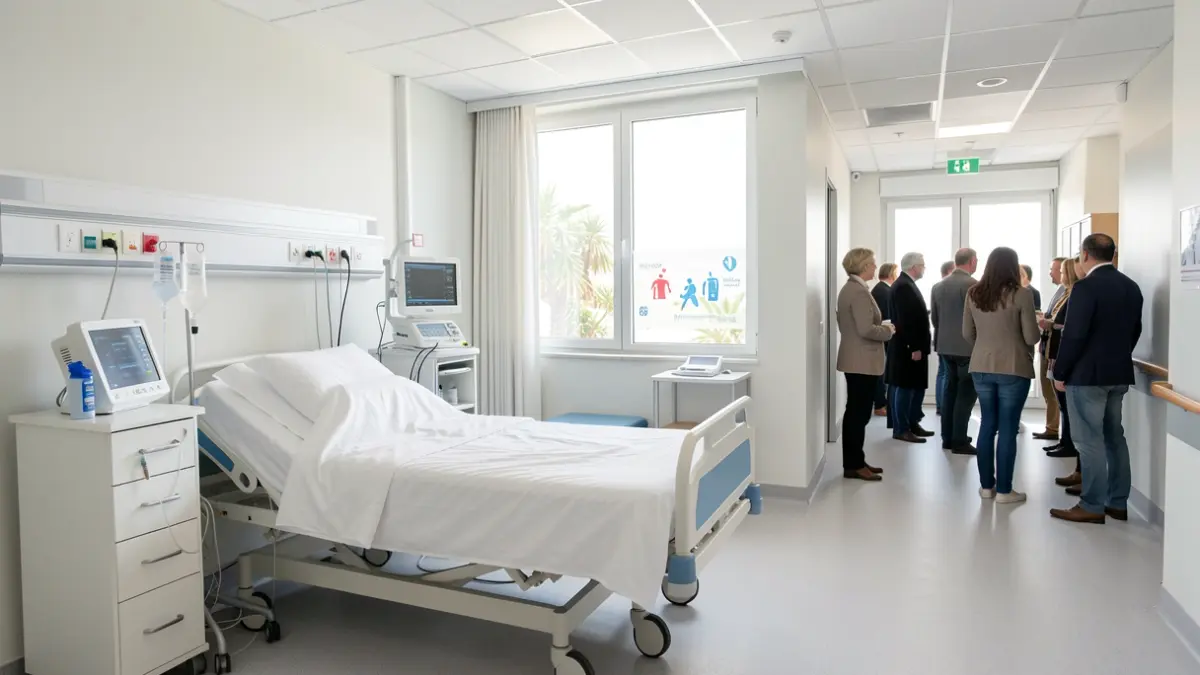
The Spine Unit, Pulmonology, Neurosurgery, Neurology, Digestive, and Angiology and Vascular Surgery departments are among the most highly rated services by patients at the University Hospital of Gran Canaria Doctor Negrín. These findings come from the Hospital Discharge Satisfaction Survey (ESAH) for 2025, conducted by the Canary Health Service (SCS).
The survey, which measures the perceived quality of healthcare, reflects particularly positive evaluations of various aspects of hospitalization. The overall average score for the center was 8.97 out of 10, maintaining levels similar to previous years.
A total of 455 patients were surveyed, with 58.7% being men and 41.3% women. The predominant age groups were those between 50 and 69 years old, and those over 70. 67.2% of participants were admitted through the Emergency Department, and 36.9% were hospitalized for less than five days.
Surgical services received particular praise for the information provided regarding disease progression and tests performed. The staff's treatment was consistently well-regarded, with 98% satisfaction for medical care and 99.3% for Nursing care.
Furthermore, 81.78% of patients knew their doctor's name, and 98.89% indicated that ward staff addressed them by name. The survey also highlighted respect for privacy (98.68%) and the process of information and consent prior to tests or interventions (95.92%).
Information about disease progression and tests was deemed adequate by 97.97% of users, and 98.2% received appropriate instructions for home care. The hospital's signage also received positive feedback, with 91.33% finding it easy to navigate.
The ESAH was based on a sample of 455 patients out of a total of 516 hospital discharges recorded during the analyzed period. 473 questionnaires were distributed, and 470 were returned.
These positive satisfaction results contrast with broader criticisms of the Canary Islands' public healthcare system, which include long waiting lists for consultations and surgeries, delays in accessing certain specialties, and high patient loads in some services. Issues with filling positions, staff shortages, and union complaints about working conditions and workloads are also noted.