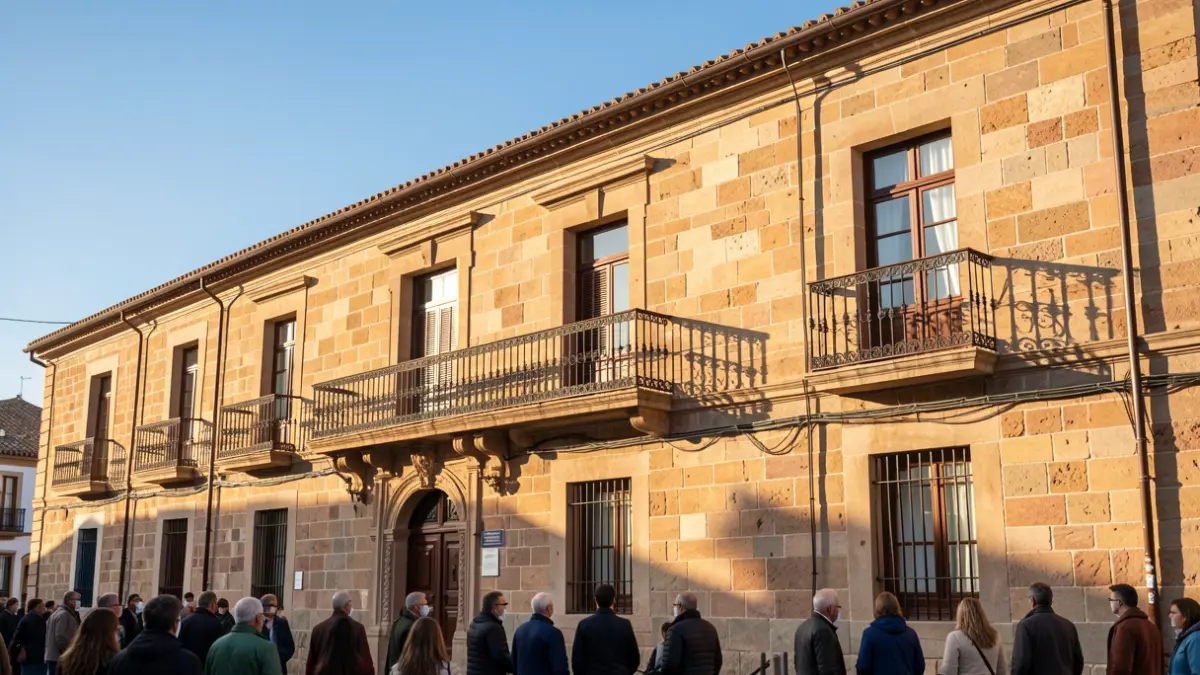
According to Luis Escalada, spokesperson for the neighborhood association, the Arucas City Council has not formally taken over the urbanization, leading to a "continued absence" of essential municipal services. Despite this lack of attention, residents have diligently fulfilled their tax obligations, including the regular payment of the Property Tax (IBI), which they estimate has generated over 1.3 million euros in revenue.
This contribution has not translated into improvements or maintenance of the urban environment.
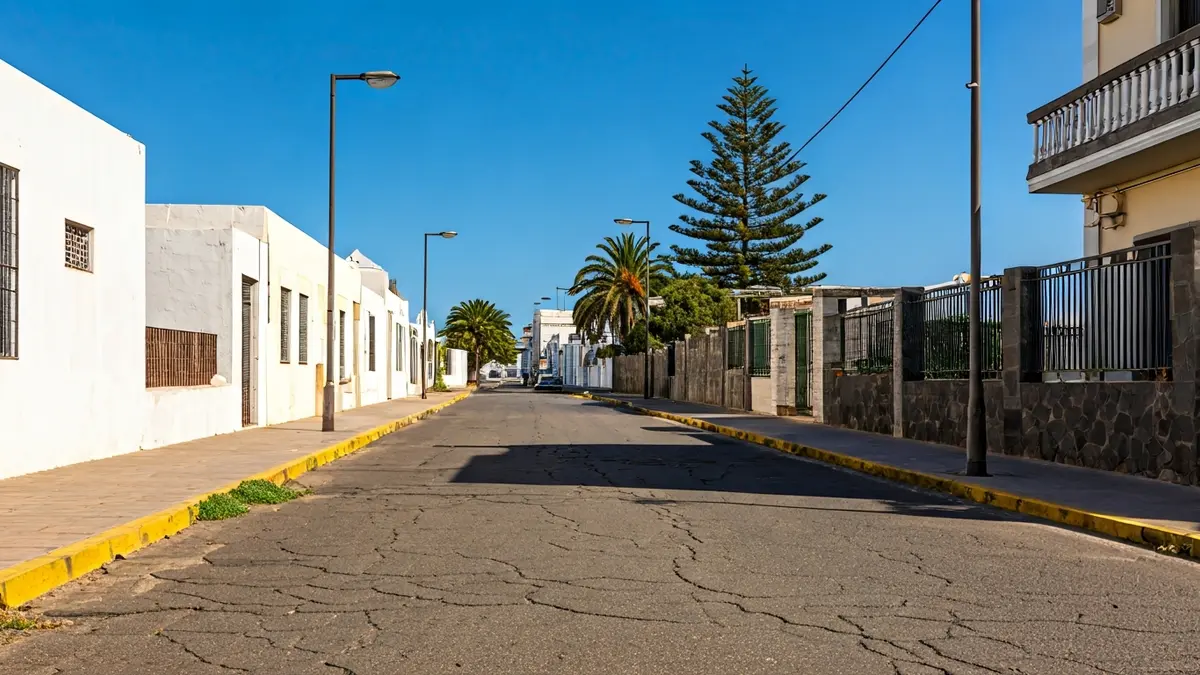
Among the most notable deficiencies, residents point to deteriorated asphalt, problems with the sewage system, accumulation of weeds in vacant lots with the consequent risk of fire, insufficient public lighting, and a generalized lack of maintenance. Furthermore, for years they have lacked basic infrastructure such as sidewalks, forcing residents to walk on the main road in "unsafe conditions."
The neighbors criticize the "lack of response from the City Council" to their formal complaints. Approximately a year ago, nearly 90% of residents requested the tacit reception of the urbanization, supporting their petition with legal arguments and applicable jurisprudence, but "without having received a response" to date. They also denounce a lack of coordination between public administrations, as the Cabildo de Gran Canaria has undertaken certain actions, while the City Council has shirked its responsibilities, incurring, according to those affected, in a "situation of prolonged inaction."
The affected parties warn that their case "is not isolated" and compare it to other urbanizations in the municipality facing similar situations, which, in their opinion, demonstrates a "pattern of management based on administrative delay and a failure to assume responsibilities." Given this situation, the residents have decided to pursue legal action, considering that there may be a "dereliction of duty" on the part of the local administration.