A forest fire that originated on August 17, 2019, in Valleseco, Gran Canaria, and lasted until August 25, has led to a court ruling establishing shared responsibility among the State, the Council of Gran Canaria, and the helicopter contracting company.
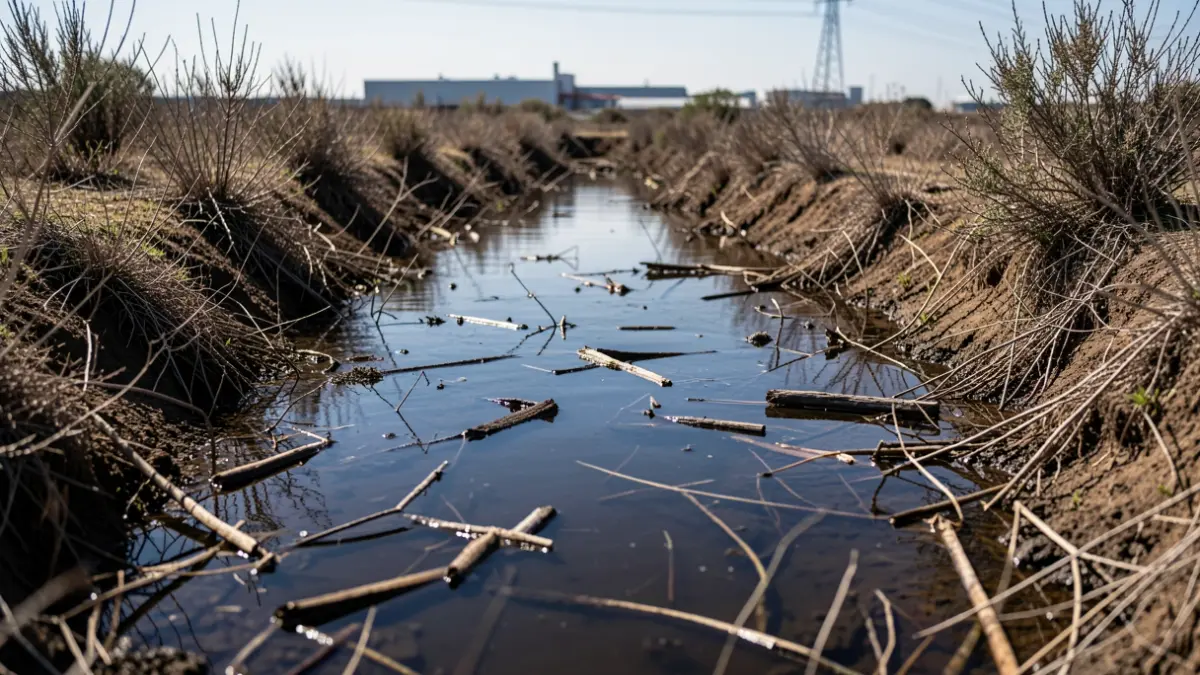
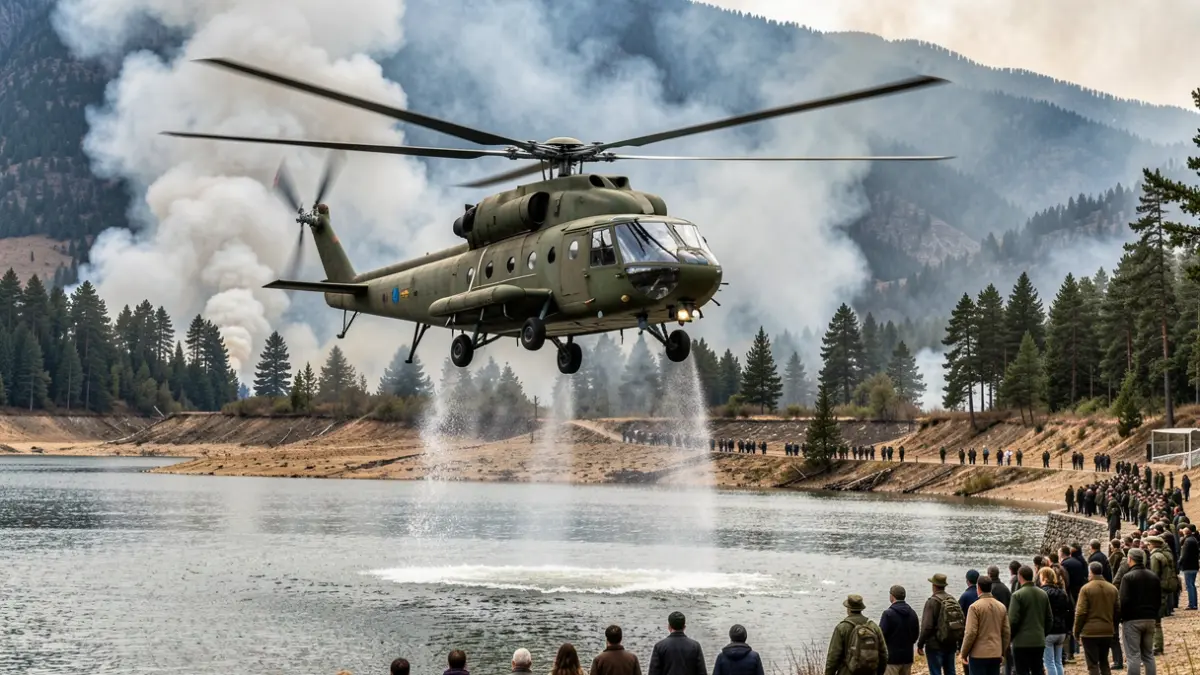
During the firefighting efforts, two heavy Kamov helicopters collected water up to 56 times from a farmer's irrigation pond, causing severe damage to the pond and irrigation pipes. The owner initially claimed 38,743.03 euros from the Ministry for Ecological Transition. After her claims were rejected, she took the case to court, seeking 45,326.01 euros, the amount estimated by the Council itself for the repair of the damages.
The Council of Gran Canaria acknowledged a causal link between the damages and the helicopter operations, verifying and assessing the damage. However, it forwarded the claim file to the Ministry of Ecological Transition, arguing that the helicopters were state-owned.
The State Attorney's Office argued for exemption from payment, stating that the Valleseco fire was not declared a national interest emergency, thus placing the extinction command solely with the Council of Gran Canaria. It further argued that the Kamov helicopters contracted by the State acted as "mere support" and that the order to load water into that pond was given by the insular technical command. The contracting company, Babcock, claimed its pilots merely followed technical direction.
The Contentious-Administrative Chamber of the National High Court has resolved the dispute by declaring shared responsibility. The ruling, with magistrate Ricardo Fernández Carballo-Calero as rapporteur, refers to Article 33 of the Law on the Legal Regime of the Public Sector. The Chamber found no evidence that the damages were the "exclusive, immediate, and direct" consequence of an order from the Council's technical direction or of "lack of expertise" by the air assets contracted by the Ministry for Ecological Transition. It focuses on the "necessary joint liability" as the Ministry and the company "collaborated" with the Council through "complementary and certainly significant" activities to the Council's own responsibilities in forest fire extinction.
Regarding the compensation amount, the helicopter company's insurer sought to reduce it to 6,801.45 euros, arguing that the pond had already reached its eight-and-a-half-year lifespan and was in a state of deterioration, though admitting the helicopters had aggravated the damage with their "proximity activity" for water collection. The Court, however, accepted the assessment by the technicians of the Council of Gran Canaria. The sentence orders the State, the Council, and the contracting company to jointly pay the compensation of 45,326.01 euros, plus legal costs. The resolution is not final and can be appealed to the Supreme Court.