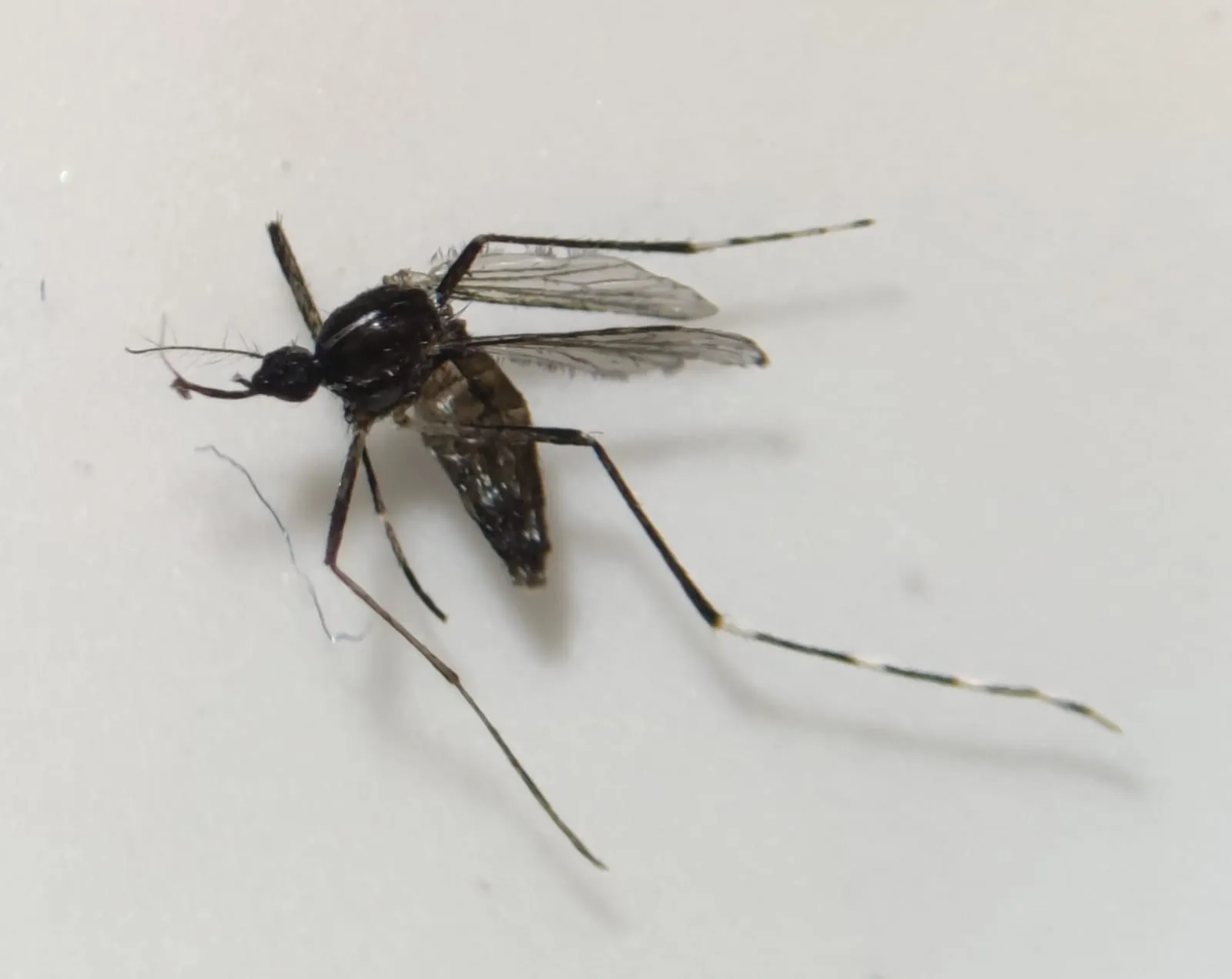
The alert was triggered by a citizen notification via email, reporting an increase in daytime mosquito bites near a wastewater treatment plant. Following an initial inspection with no findings, the installation of traps and analysis of photographs attached to a subsequent notification confirmed the presence of the invasive species.
The Entomological Surveillance System of the Canary Islands has been activated, intensifying inspections, placing traps, and carrying out cleaning and fumigation efforts in the area closest to the discovery site. Evidence suggests an accidental and isolated introduction of the vector, possibly through material containing mosquito eggs.
The Canary Islands Entomological Surveillance Committee, comprising representatives from the Mogán City Council, the Gran Canaria Health Area Directorate, and the Directorate General of Public Health, has agreed on the actions to be taken. These include increasing trap sampling frequency and providing information to institutions, companies, and residents to prevent proliferation and breeding sites.
The Aedes albopictus is a black and striped mosquito, smaller than those typically found in the region, appearing in urban environments and adapted to reproduce in small water accumulations. While it is a vector for viral diseases in other geographical areas, these pathologies are not endemic to the Canary Islands. It typically bites during the day, especially at dawn and dusk, and its bite causes a strong inflammatory reaction.
Citizen collaboration is crucial. The public is urged to send photos of suspected invasive mosquitoes or unusual inflammatory reactions to vectores.scs@gobiernodecanarias.org, including the location and a contact phone number. Health authorities emphasize the system's effectiveness in early detection of larvae and eggs before they cause bites.
It is important to note that the mosquito's presence does not imply the transmission of diseases like dengue or Zika in the Canary Islands, except for sporadic imported cases. Prevention measures include eliminating any water accumulation, even in small containers, emptying and cleaning plant saucers weekly, changing water in vases daily, and keeping drains and tanks clean.
The Canary Islands have had an Entomological Surveillance Service at Ports and Airports since 2013. The objective is to detect invasive mosquitoes early through monitoring devices at entry points and surveillance programs for bites in health centers and pharmacies.