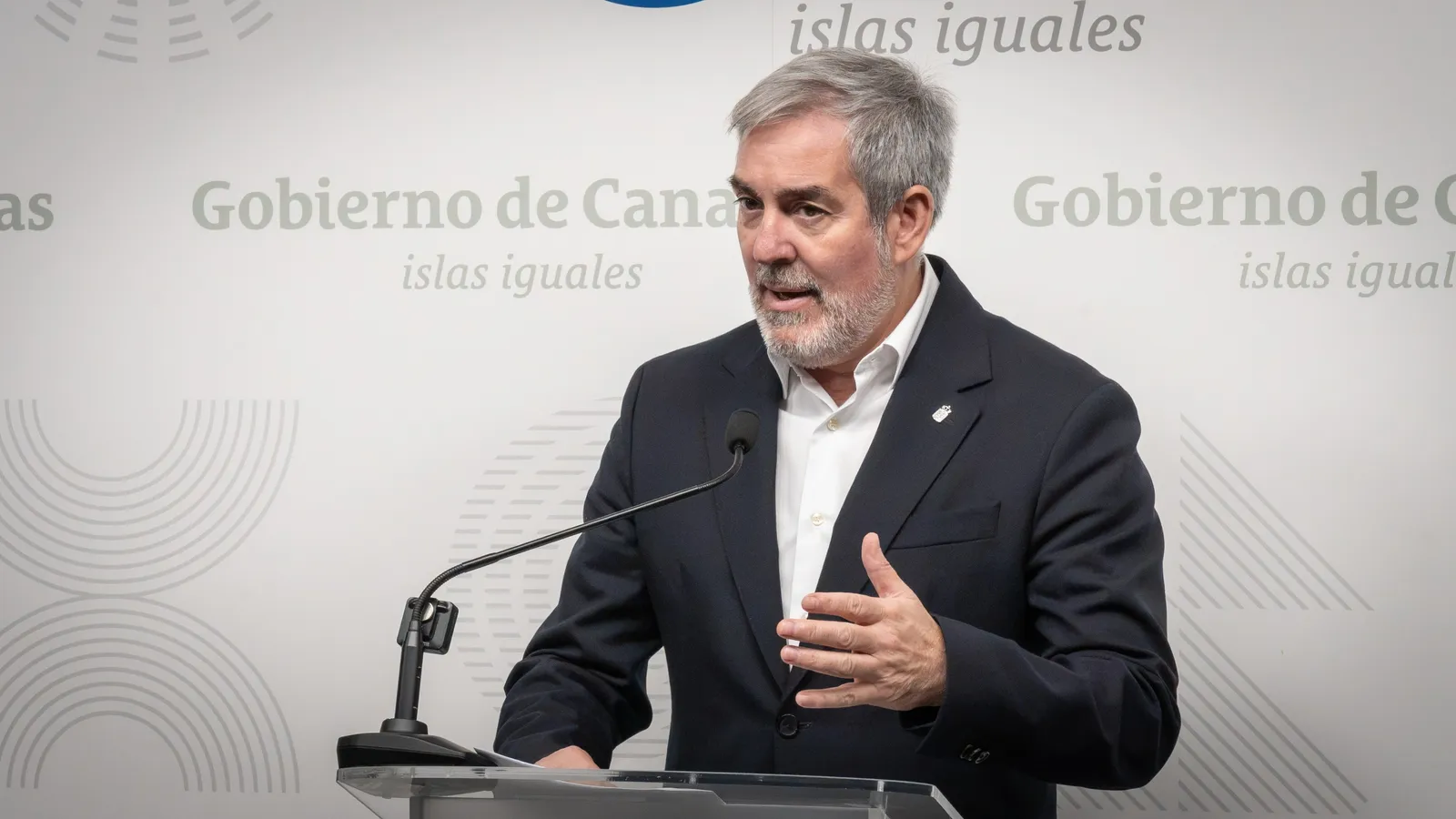
The president warned that the state Executive “cannot leave fundamental agreements unresolved for the reconstruction of La Palma, the financing of infrastructure in the archipelago, and the care of unaccompanied migrant minors.” Clavijo insisted these were not new demands but commitments known and negotiated over recent years, emphasizing that the Canary Islands Government has a clear roadmap and has worked with institutional loyalty.
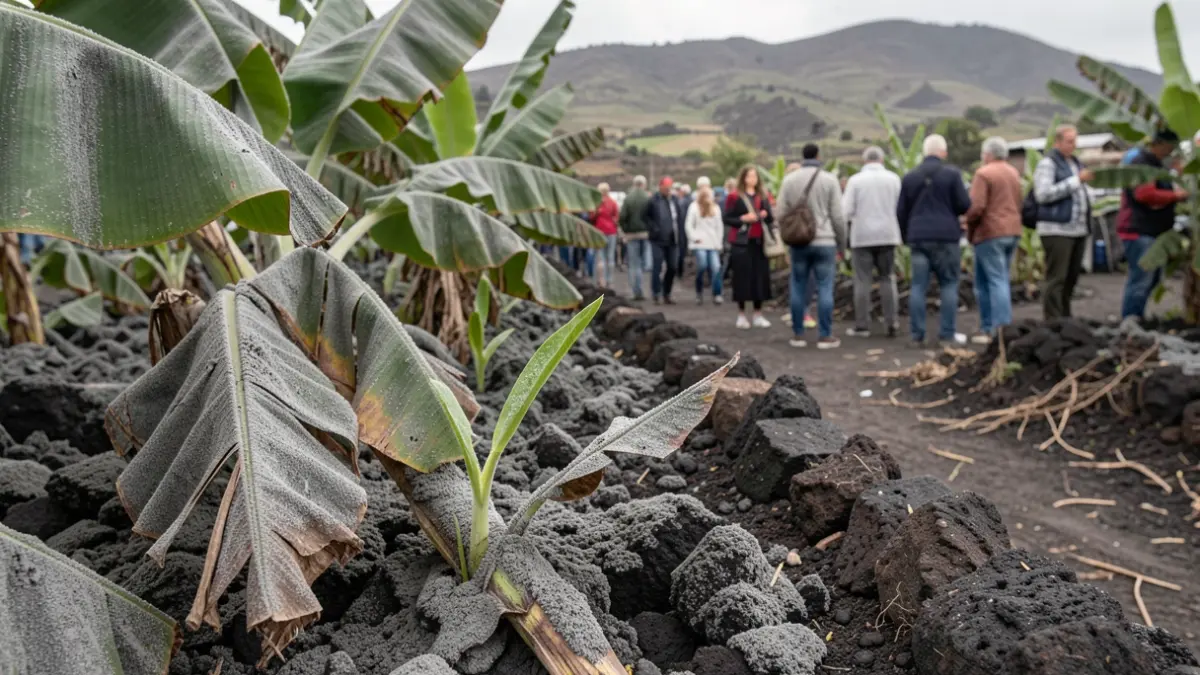
Among the priorities, Clavijo highlighted the reconstruction of La Palma, with the pending transfer of 300 million euros from the State for the years 2024, 2025, and 2026, and the extension for 2027 of the 60% personal income tax bonus for island residents. He recalled that the Canary Islands government has already advanced 200 million euros to prevent the recovery process from stalling and requested the State to fulfill its commitments.
The continuation of the Road Agreement is another key issue. The Canary Islands have proposed a five-year extension to the State due to a lack of funding for new projects, warning that its absence would hinder the planning of essential infrastructure for mobility and road safety, recalling the islands' right to this agreement in the absence of high-speed trains or motorways.
Added to these commitments is the continuation of the mechanism for the derivation of unaccompanied migrant minors, currently set to end in June. Clavijo stressed that this agreement promoted a shared responsibility system among autonomous communities and considered it essential to prevent the loss of progress and avoid the Canary Islands once again facing the pressure on its reception system alone.
The president reiterated the Canary Islands Government's willingness to engage in dialogue, but emphasized that institutional collaboration “does not mean renouncing the fulfillment of acquired commitments and the rights of Canarians.” He concluded that the State still has time to comply, and it would be unjust to leave unresolved commitments at the end of the legislative term.