Since their installation in 2003, the two wind turbines located next to La Palma Airport have been a symbol of innovation. In January 2002, the newspaper Cinco Días reported that Aena planned to install Spain's first airport wind farm in La Palma. A year later, in September 2003, Energías Renovables magazine confirmed that the La Palma airport had become the first in Europe to power itself with wind energy, thanks to the initiative of Aena and INTA.
These turbines, classified as associated consumption facilities, do not feed into the general grid but produce energy exclusively for the airport. According to the 2006 Canary Islands Energy Statistics, the wind turbines, manufactured by MADE, have a total power of 1,320 kilowatts and were commissioned in 2003 in the municipality of Villa de Mazo.
However, the current situation of these wind turbines is concerning. Between 2021 and 2022, three maintenance contracts were awarded to Siemens Gamesa Renewable Energy Eólica SLU. The last one, an open contract for 90,000 euros, had a two-year term, ending in September 2024. A peculiarity of this contract was that only one bid was submitted, already indicating the scarcity of specialized companies for maintaining this older technology in an airport environment.
The situation worsened with subsequent tenders. In July 2025, tender SPC-47/2025 for maintenance, with a budget of 14,990 euros, was declared void in September 2025. A second attempt in October 2025, with file SPC-66/2025 and a base budget of 57,000 euros, also resulted in no award, despite a bidder submitting an offer that did not pass the filter.
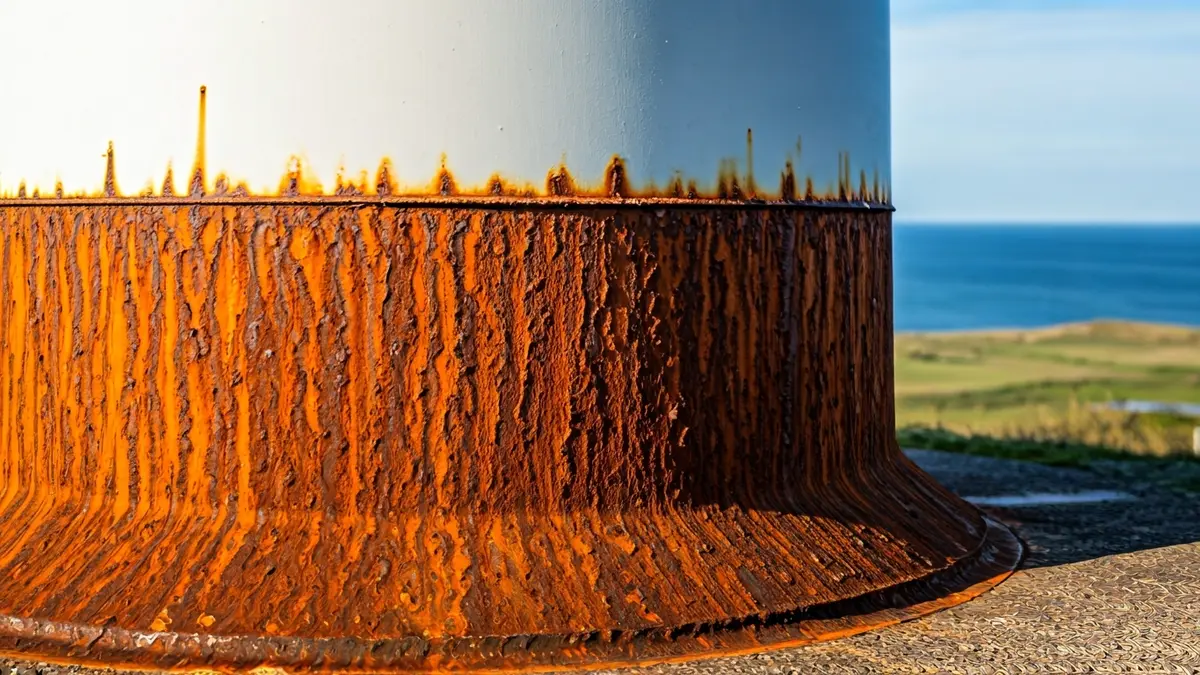
This lack of market interest in maintaining the wind turbines, coupled with their age (approaching twenty years), raises serious doubts about their operational status. Constant exposure to salt spray and humidity at the airport's southern end accelerates corrosion and component deterioration. Although Aena has ambitious carbon neutrality goals for 2026 and Net Zero for 2040, the absence of official communication regarding the status of these pioneering turbines contrasts with its corporate strategy.