A journey through Gran Canaria, Tenerife, and Lanzarote reveals the vitality of the island's culinary heritage through five establishments that embody this variety. Each, with its distinct style, contributes to a faithful portrait of the islands' culinary identity.
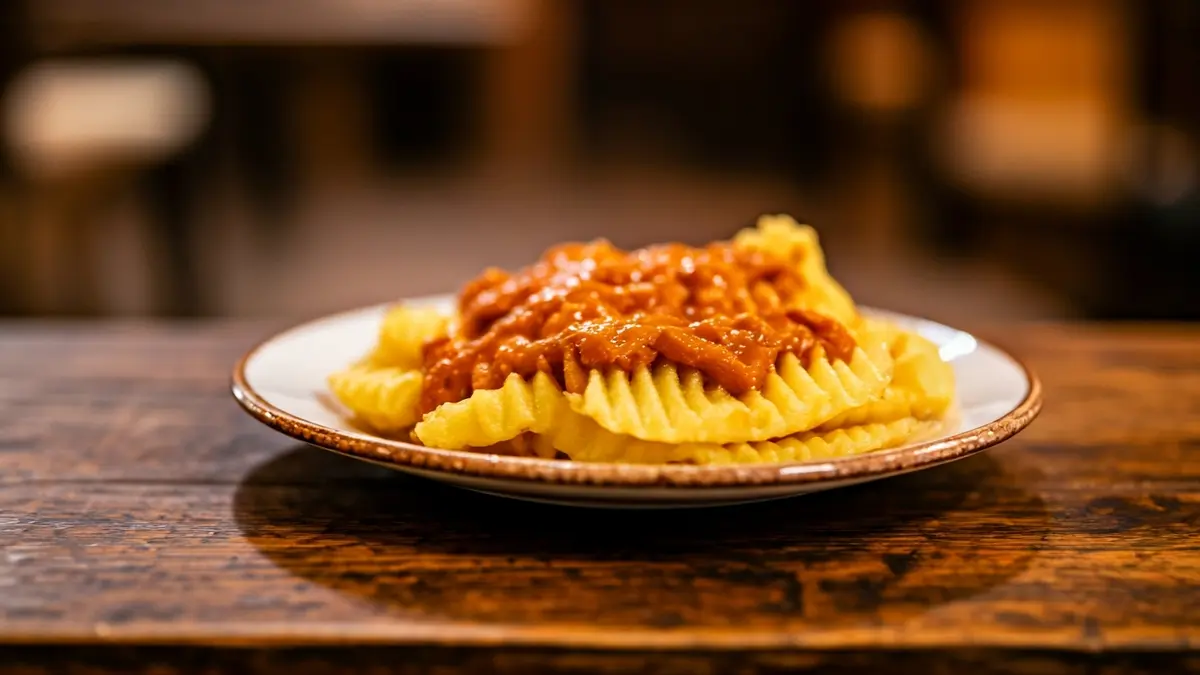
In Las Palmas de Gran Canaria, near Las Canteras, Camino al Jamonal stands out for its authentic and unpretentious Canarian cuisine. Its proposal focuses on fresh produce, personal service, and dishes that evoke traditional cooking, such as 'ropa vieja' and caramelized 'ensaladilla'. This family business has maintained its essence, even after a renovation that has elevated the dining and bar experience, prioritizing work-life balance by closing on weekends.
In the interior of Gran Canaria, in the municipality of Ingenio, Asador La Pasadilla offers a different perspective on Canarian gastronomy, focused on grilling and traditional recipes. Dishes like goat meat in sauce, fried pork, and 'papas arrugadas' with 'mojo' are central. Carmelo González, the second generation at the helm, has consolidated the 'asador' as one of the best in the Canary Islands, serving as an ambassador for El Capricho, renowned for the world's best ox meat.
Closer to the coast, in Las Coloradas, El Padrino specializes in fresh fish and seafood stews. This restaurant, a benchmark in the capital of Gran Canaria, offers traditional dishes such as 'sancocho', 'puchero', and its fish broth, in an environment that reflects the area's maritime life. The second generation in charge keeps the essence of traditional Canarian cuisine alive.
In San Cristóbal de La Laguna, Tenerife, chef Braulio Simancas' project at El Silbo Gomero reinterprets traditional Canarian recipes with a contemporary and refined approach. Dishes like 'carne fiesta', 'escaldón', and black pork are presented with attention to product and technique, demonstrating that Canarian cuisine can evolve without losing its character. The chef's and his family team's dedication to products from all eight islands makes it a place where any Canarian feels represented.
Finally, in Playa Blanca, southern Lanzarote, Brisa Marina (also known as Juan el Majorero) completes this route with a focus on fresh fish and coastal cuisine. Recognized by locals and visitors, its success lies in high-quality ingredients and direct cooking that blends island tradition with the dynamism of a popular restaurant. The partnership of Juan El Majorero and Germán Blanco in the kitchen is considered a milestone in the gastronomy of Lanzarote and all the Canary Islands.
These five restaurants not only offer a quality culinary experience but also illustrate how each island, neighborhood, and establishment interprets the rich Canarian gastronomic culture, maintaining its essence while adapting and evolving.