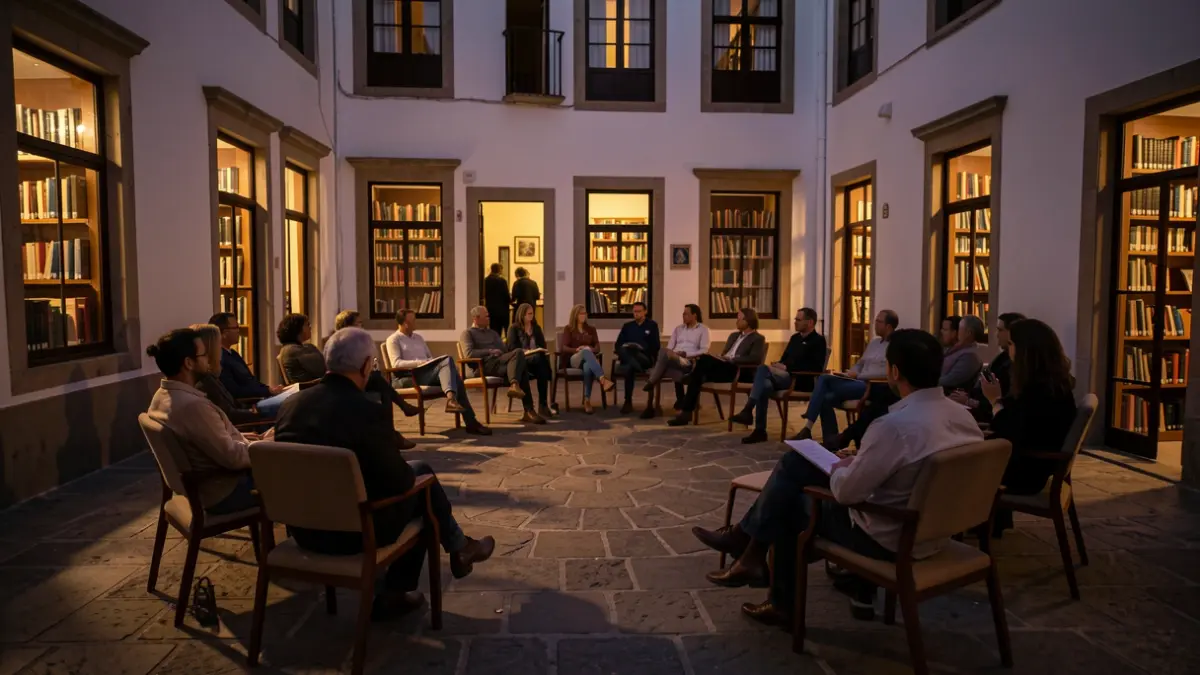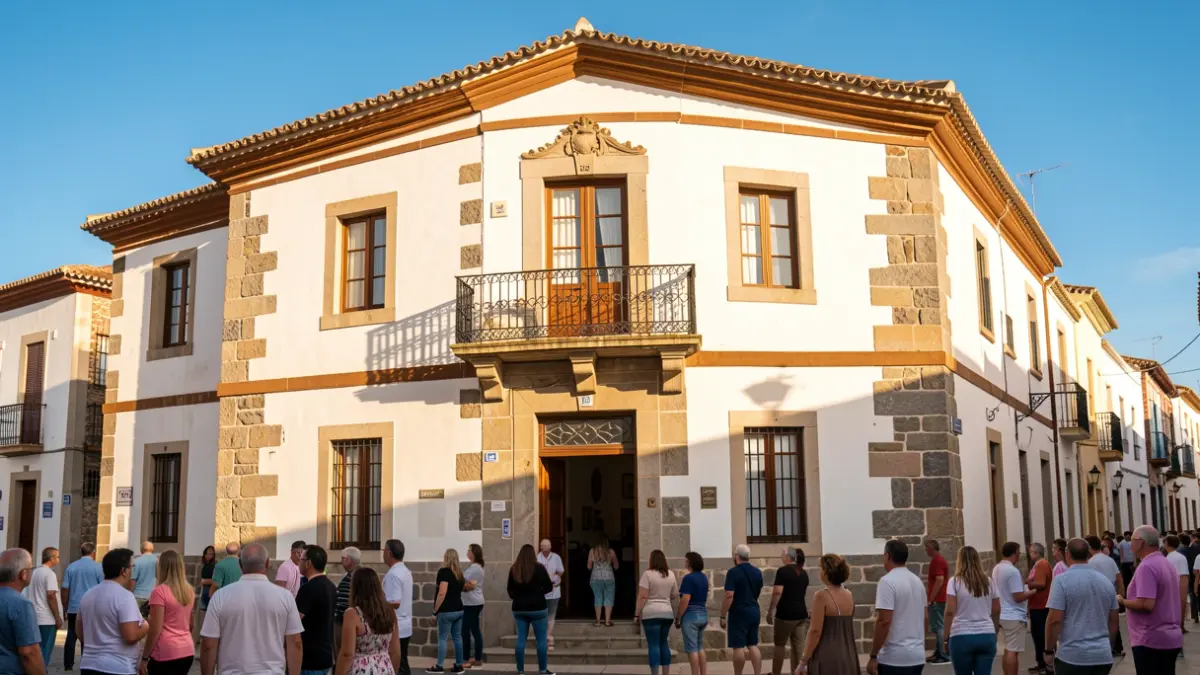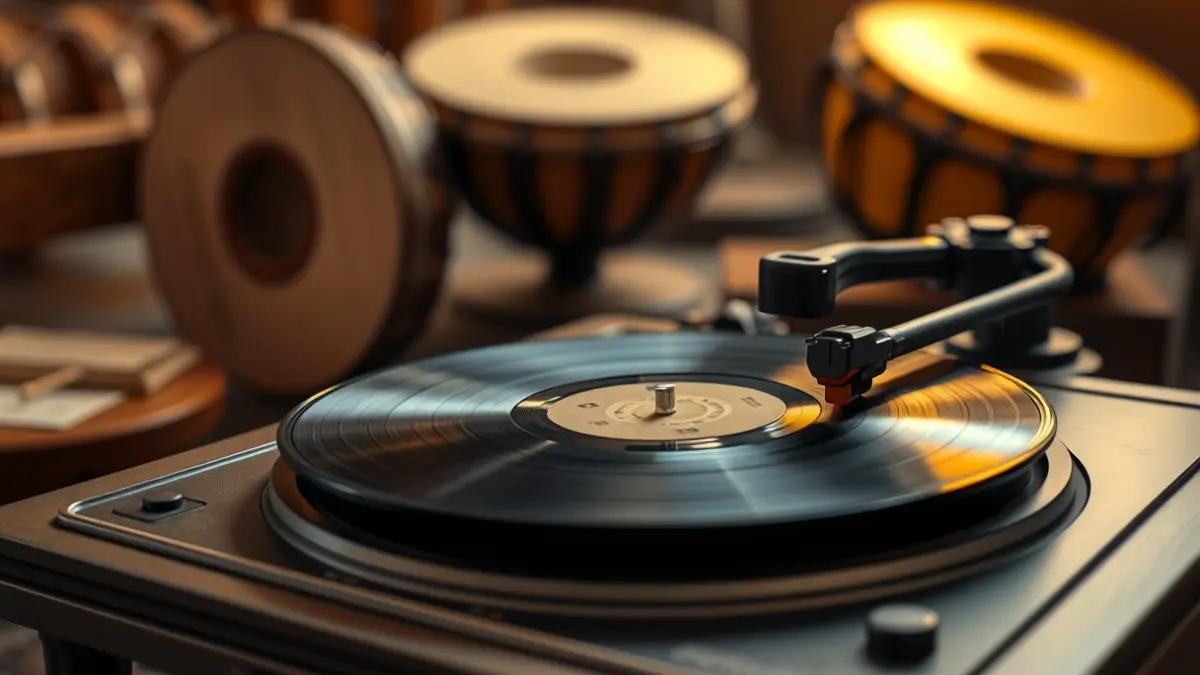
The exhibition, open at the Caleta del Sebo Cultural Center on May 8th and 9th, will display approximately 80 items. These recordings date from the first boom of sound recordings by folk artists and groups in the Canary Islands during the 1950s, including prominent timple players.
In addition to the records, the exhibition will include musical teaching methods from that era, which were crucial for hundreds of people to learn and refine their technique before the establishment of conservatories. This educational process solidified in the capital of Gran Canaria in 1958, when the Sociedad Filarmónica music academy achieved the status of an Elementary Conservatory.
“"The first generations of musicians learned by imitation, and the technique was often passed down from parents to children."
The researcher in charge of the collection highlights the importance of didactics in the case of the Canarian timple. Although the publication of methods allowed for progress towards more complex repertoires, he believes it is still necessary to promote the creation and adaptation of new works for this instrument.
The collection includes over 200 slate records, the predominant format for more than 50 years until the arrival of vinyl, 80 of which will be on display. Some of these records can be listened to via QR codes. The initial difficulties in recording traditional music are also emphasized, citing the complications surrounding the recording of Canciones de Gran Canaria as an example.
The current resurgence of vinyl is attributed to a combination of nostalgia and the pursuit of a higher quality listening experience. The exhibition, supported by various institutions, aims to preserve and disseminate the timple as a symbol of Canarian musical culture, bringing it closer to new generations and ensuring its evolution.
“"Because the timple is much more than an instrument: it is a sign of Canarian cultural identity, an element that has accompanied the musical expression of our islands for generations and is part of our collective heritage."