This situation, affecting Lanzarote, La Graciosa, and Fuerteventura, has generated deep concern within the primary sector. Betancort considers a review of the allocation criteria crucial to prevent territories with specific agricultural and livestock characteristics from being disadvantaged within the community's agricultural framework.
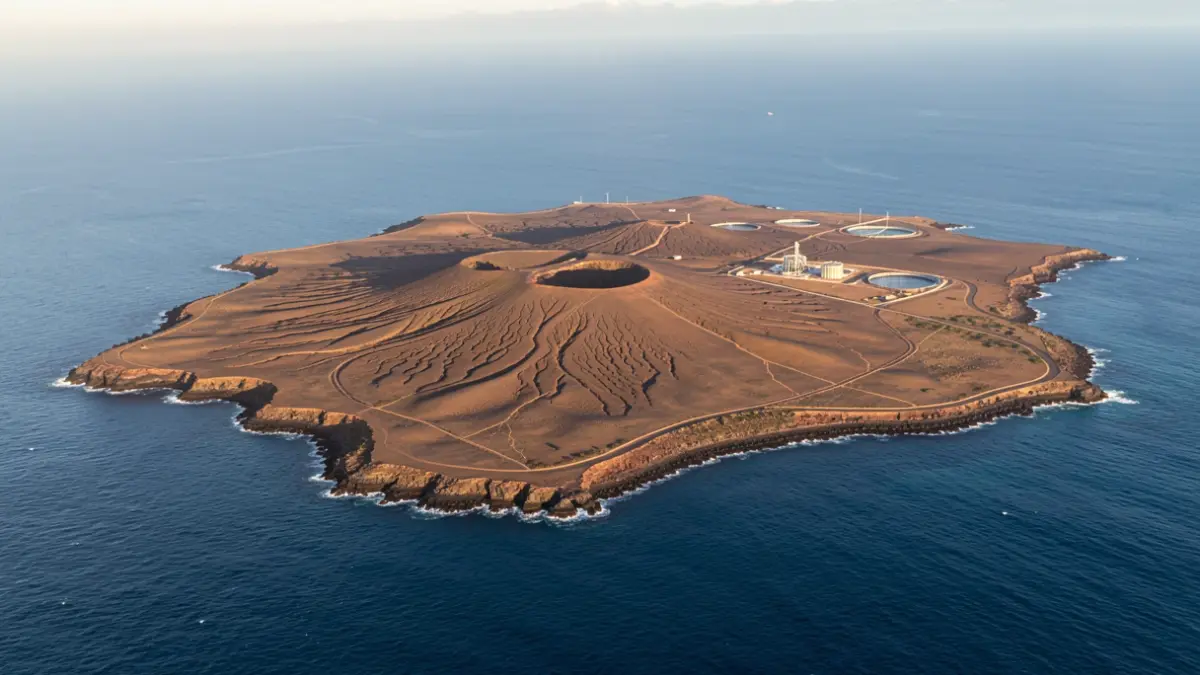
The nationalist leader will address this issue in parliament through a question directed to the Minister of Agriculture, Livestock, Fisheries, and Food Sovereignty of the Canarian Government, Narvay Quintero. The objective is to obtain the Executive's assessment of the impact of this call, especially in the eastern islands, which face challenges such as water scarcity, volcanic soils, and arid climatic conditions.
The most affected aid lines coincide with practices essential to the traditional agricultural and livestock model of these islands, including grazing, woody crops, the conservation of native breeds, and the recovery of agricultural infrastructures like walls and 'gavias'. The exclusion of more than half of the applicants jeopardizes the continuity of these fundamental activities.
Given this scenario, Betancort will advocate for adjusting the criteria for evaluating and distributing funds to better adapt to the reality of the archipelago's more arid islands. He will also propose exploring new formulas to allow greater flexibility in the distribution of these aids, aiming to strengthen the recognition of the diversity of the Canarian primary sector in European policies.