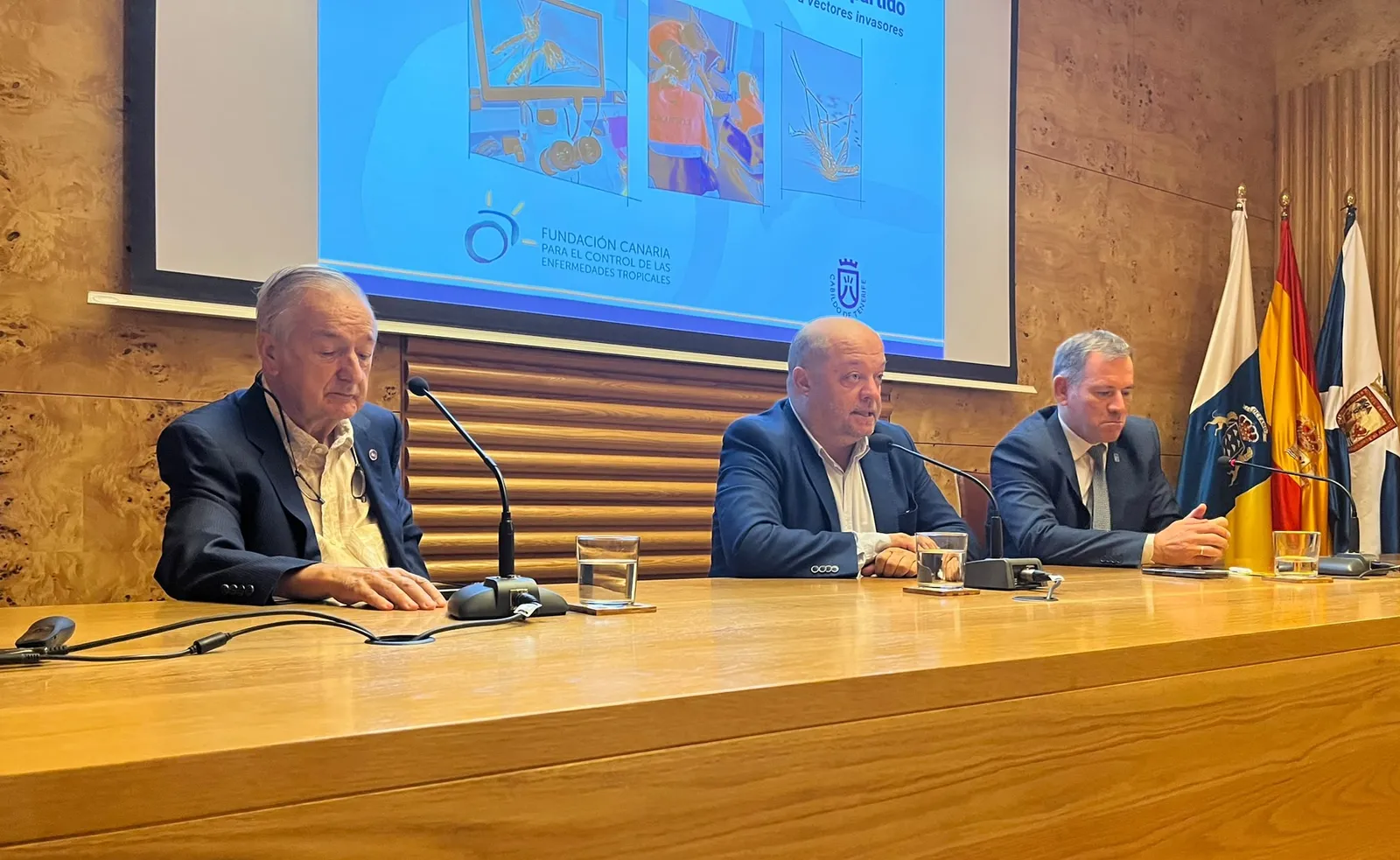
The Lanzarote Island Council has announced the resumption of activity at the Lanzarote V desalination plant, a crucial infrastructure for the island's water supply. The breakdown had caused significant supply issues in recent weeks, leaving "a large part of Lanzarote's residents without water," according to statements from the president of the insular corporation and the Consortium of Water of Lanzarote, Oswaldo Betancort. The plant became operational again early Monday morning, which will allow for a progressive improvement in water distribution to the most affected areas.
The incident at the facility had generated supply difficulties in various municipalities of Lanzarote and also in La Graciosa, amidst growing public criticism over continuous service interruptions. President Betancort stated that the plant's recovery was possible thanks to the work of the employees and technicians involved in the repair, and not due to the actions of the concessionary company, Canal Gestión Lanzarote, responsible for the integral water cycle management on the island. He expressed his displeasure regarding the lack of information provided to the public during the breakdown and apologized to affected residents.
The main failure occurred in a production module with a capacity of 9,000 cubic meters per day belonging to the EDAM Lanzarote V desalination plant. The shutdown of this system for approximately one week significantly reduced the production capacity of potable water. Betancort affirmed that the situation highlights "the urgent need to intervene in the service" to rebuild infrastructure that, he noted, has suffered from years of lack of maintenance and planning.
The Island Council's Water Councilor, Domingo Cejas, criticized Canal Gestión's preventive management, recalling another breakdown earlier this year at the Janubio desalination plant that took 6,000 cubic meters per day out of service for nearly five months. He argued that the concessionaire should have sufficient equipment and spare parts to reduce repair times, as it reportedly lacks an adequate stock of basic components to respond quickly to technical failures.
Despite the return to operation of the Lanzarote V plant, the Island Council insists that a complete normalization of the service will not be immediate. Betancort explained that the accumulated deterioration of the water infrastructure requires deep and prolonged interventions. He cautioned that cuts or incidents might continue while progress is made in the comprehensive recovery of the network. The Assembly of the Water Consortium recently approved unanimously the future intervention of the service to reorganize management and address the structural problems detected.
The water situation in Lanzarote has become a key issue for political and institutional debate on the island. Incidents in the network, breakdowns, and infrastructure losses have generated concern. Betancort called on all political forces to address the water crisis from a perspective of island-wide general interest, away from partisan confrontation, and to maintain a common stance among administrations to tackle this structural problem directly affecting thousands of residents.