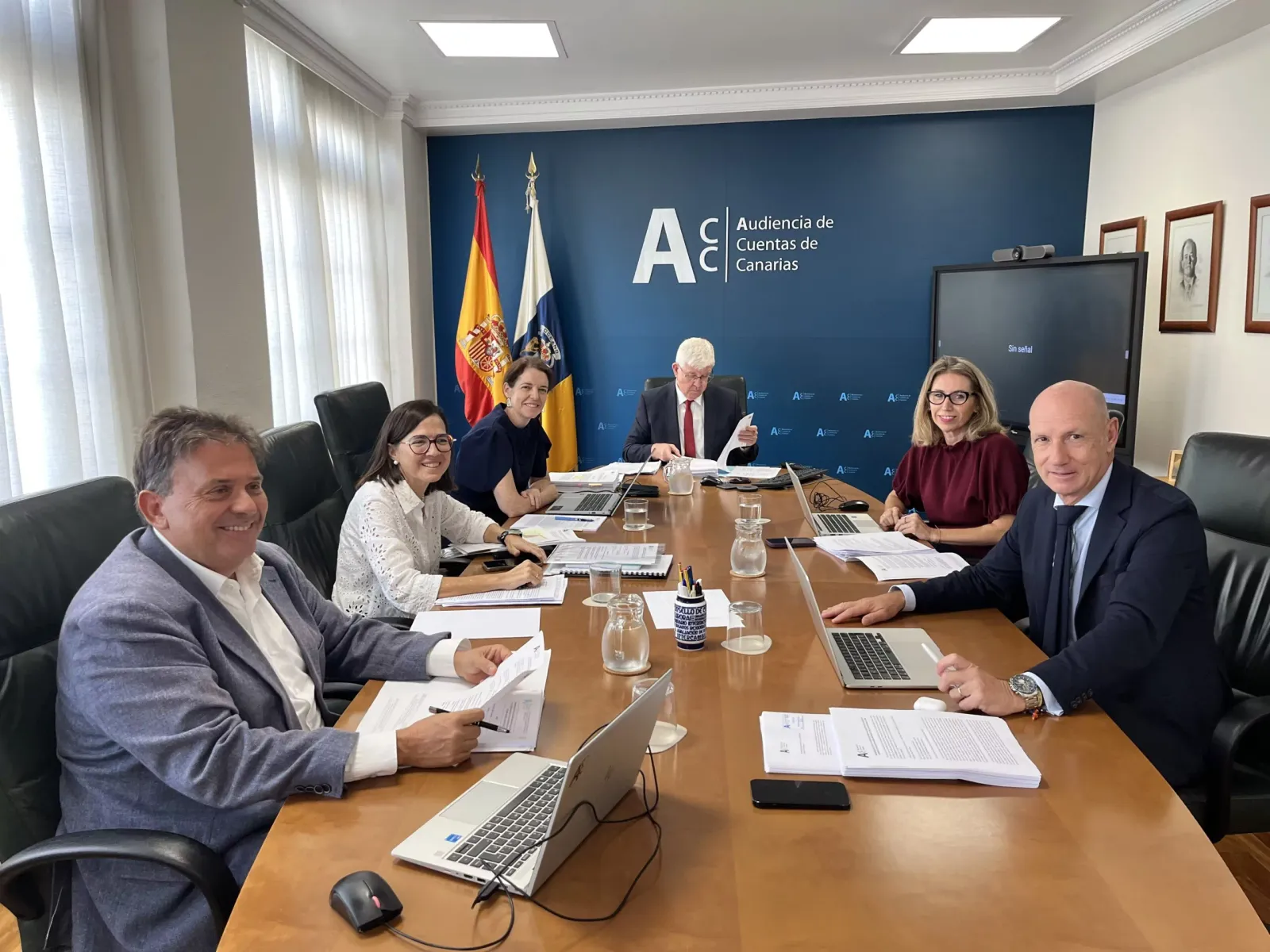
The preview screening took place this Friday at Multicines Atlántida, as part of the November cultural program. The film recovers the shared history between Canarian fishermen, especially those from Lanzarote, and the Imraguen community from the coasts of Mauritania.
The Minister of Fisheries, Samuel Martín, highlighted the importance of bringing to the public a part of Lanzarote's maritime history and its connection with other Atlantic peoples. "This documentary allows us to understand how our ancestors found in the sea a space for encounter with other communities, sharing ways of working, knowledge, and traditions," he stated.
During the event, honorary recognitions were presented to "men and women who have or have had a connection with the sea," as pointed out by Martín.
The audiovisual production journeys to the Mauritanian Atlantic coast to explore the history of the Imraguen, a unique fishing community whose way of life is closely linked to the ocean and the Sahara desert. For generations, this community developed a traditional form of fishing from the shore, using nets and leveraging the collaboration of dolphins to catch fish.
The arrival of Canarian fishermen to these coasts, following the trade winds, fostered an encounter between two peoples who shared the sea as a livelihood. From this coexistence emerged a unique maritime culture, marked by the exchange of knowledge, customs, and traditions. The Imraguen incorporated Canarian lateen-rigged vessels, learned new navigation techniques, and expanded their fishing practices, integrating elements of Canarian culture.
The documentary also covers Nouadhibou and the old neighborhood of La Charka, areas that preserve the memory of the Canarian presence in Mauritania and testify to the historical links established between both sides of the Atlantic.
Through this screening, the Cabildo of Lanzarote and La Graciosa continues its work of recovering, preserving, and disseminating the historical, social, and cultural ties between Canarias and Mauritania, revaluing the legacy of those who found in the sea a space for encounter and coexistence.