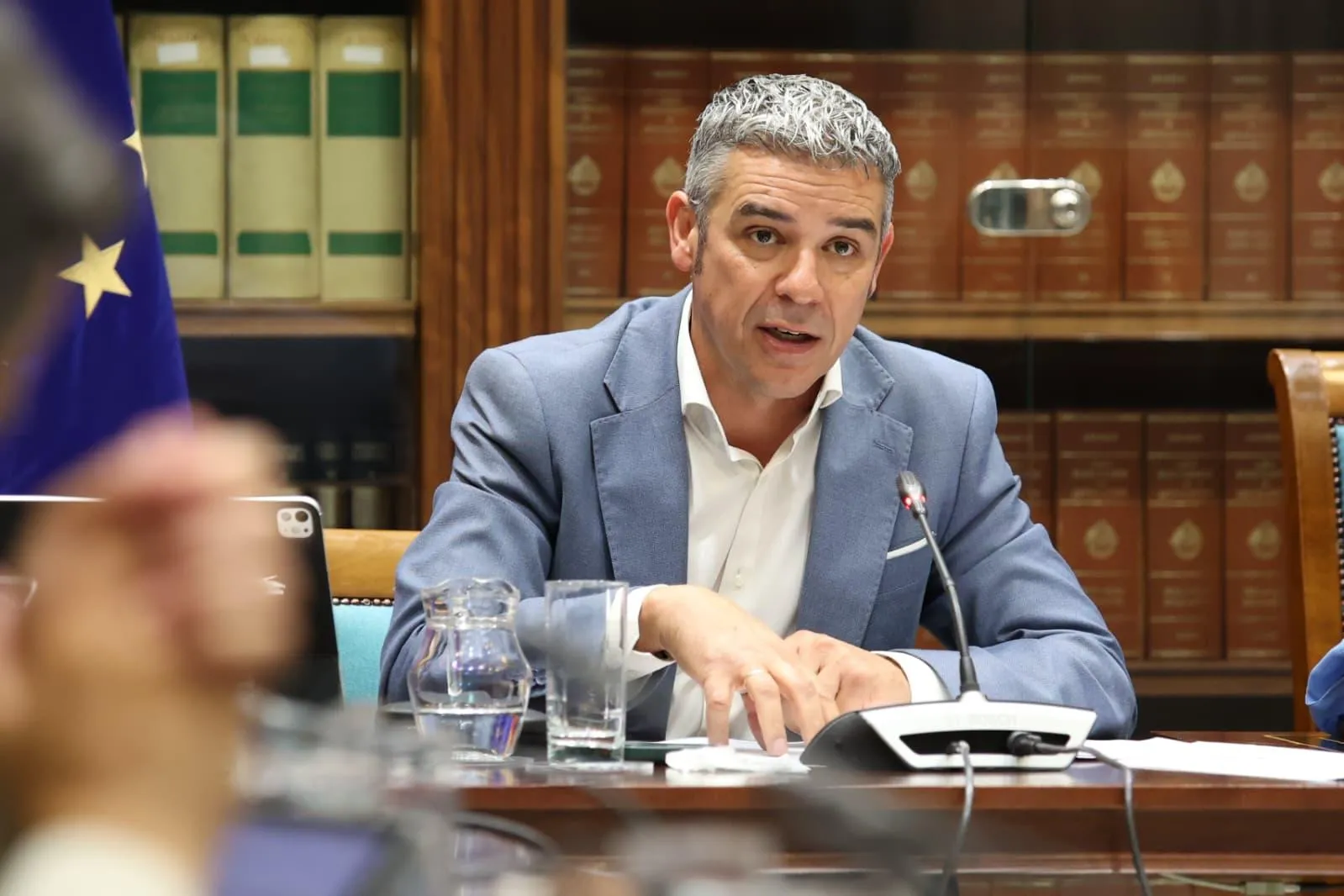
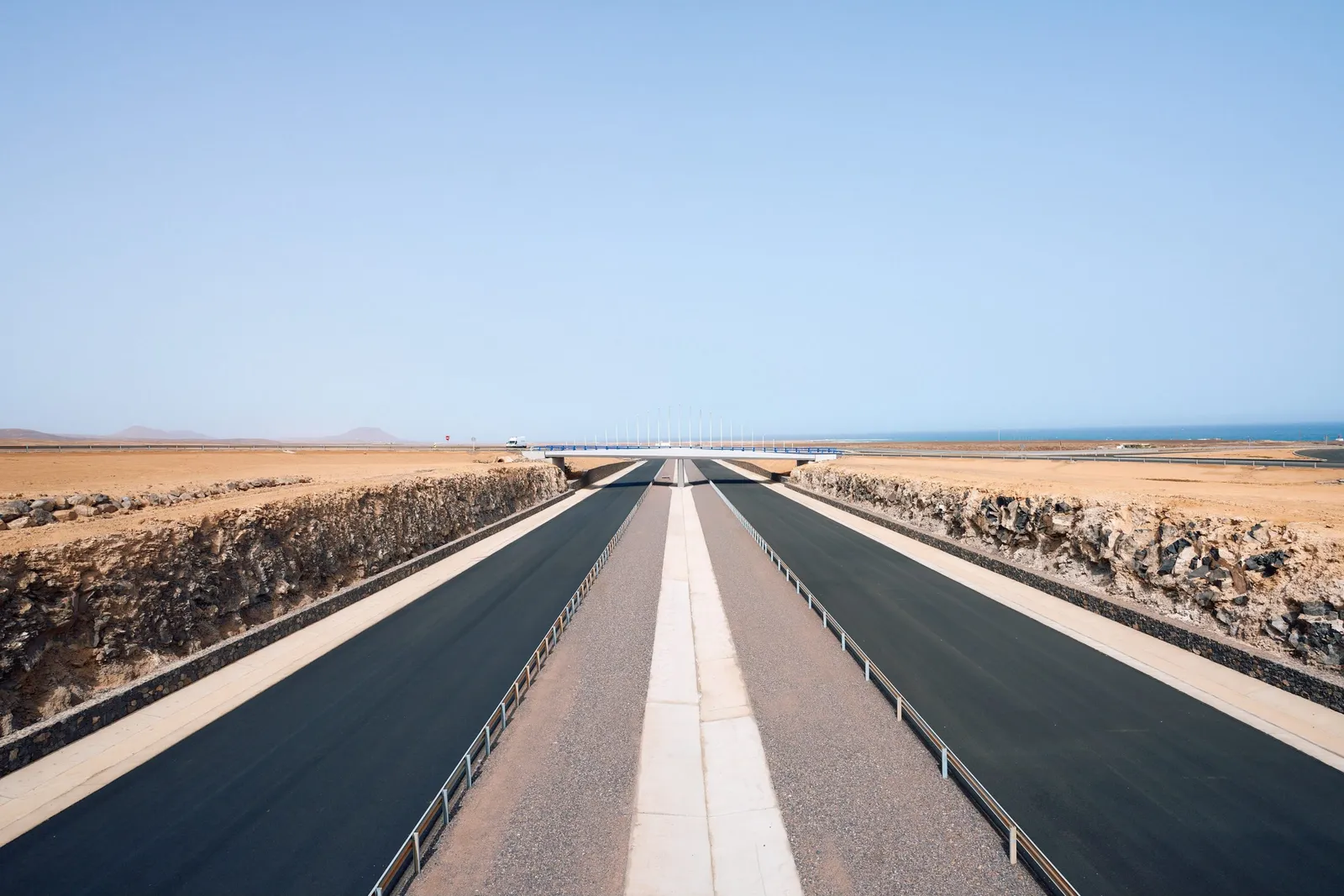
The Department of Public Works, Housing, and Mobility of the Government of the Canary Islands, led by Pablo Rodríguez, and the Cabildo of Fuerteventura, headed by Lola García, will open to traffic this Friday, November 20, a new section of approximately 5.5 kilometers of the FV-1 highway, between Guisguey and La Oliva. This development, spanning kilometer points 7+200 and 12+700, represents progress in the North-South Insular Axis and in improving the island's road connections.
The opening of this road segment will enhance communication between northern Fuerteventura and Puerto del Rosario, as well as alleviate traffic congestion at the capital's access points from the north of the island and the Tetir area. It is also expected to improve circulation conditions and road safety on one of Fuerteventura's main mobility corridors.
This section continues the segment between La Caldereta and Guisguey, approximately five kilometers long, which became operational in March 2023. The overall project for the Puerto del Rosario-La Caldereta road, a variant of the FV-1, FV-3, and FV-2, includes the construction of 17.5 kilometers of new highway with six interchanges: La Caldereta, Guisguey, La Hondura, La Oliva, Antigua, and the airport.
The new road features two carriageways, each with two traffic lanes, separated by a median of approximately 12 meters. It also includes outer shoulders of 2.50 meters, inner shoulders of one meter, and berms of one meter on both sides.
The works were awarded to a Temporary Union of Companies (UTE) comprising OHLA S.A., Construcciones Rodríguez Ramírez S.A., and Satocan S.A., with an initial budget of 92,098,903.54 euros. Following approved modifications during execution, the updated budget amounts to 100,751,879.70 euros.
This infrastructure addresses the increased mobility demand registered on Fuerteventura's eastern coast and the need to improve connections between the island's main population and economic activity centers, the airport, and Puerto del Rosario. The phased opening of these sections will replace some existing conventional roads with a high-capacity route, enhancing road safety and traffic flow. It will also help reduce traffic pressure on the FV-1, FV-2, and FV-3 roads and lower noise levels for buildings adjacent to these routes.