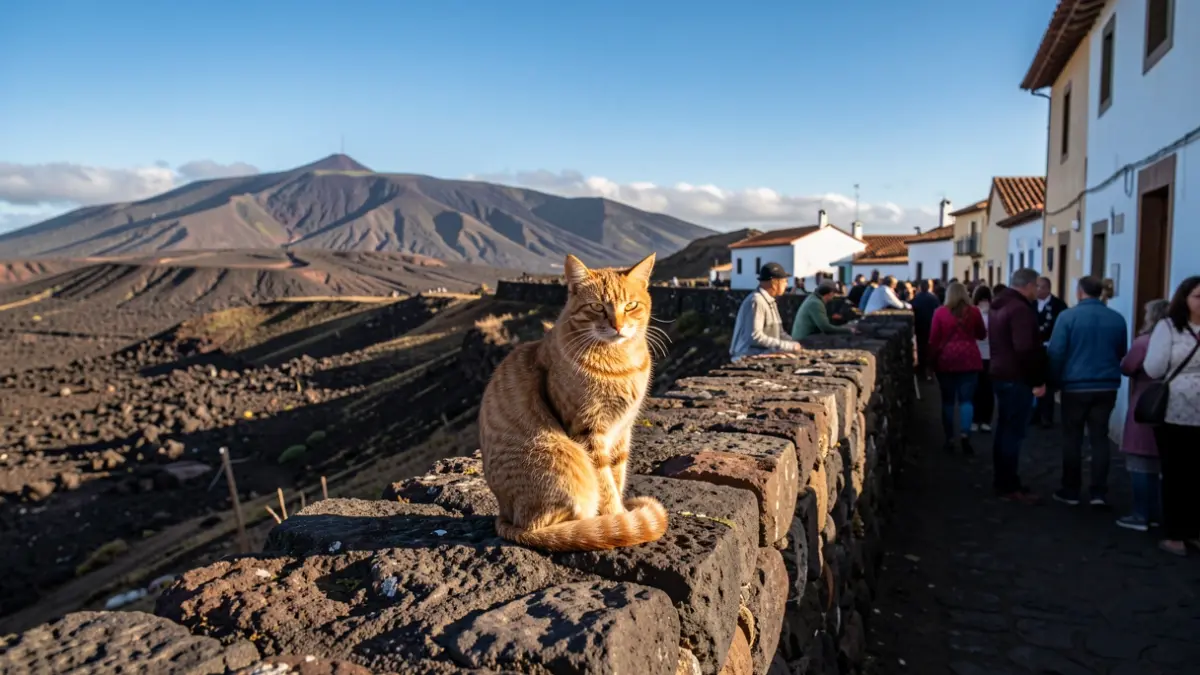
The CER method involves capturing cats from colonies, taking them to a veterinary center for sterilization, and then returning them to their place of origin. This practice prevents the birth of unwanted litters, reduces the growth of the feline population, and decreases behaviors associated with heat cycles, such as fights and meowing.
Concurrently, an adoption campaign has been conducted, finding homes for 33 animals. This offers an alternative for felines that can adapt to domestic life, ensuring they receive the necessary care and attention in a family environment.
The mayor of Haría, Alfredo Villalba, thanked everyone involved, stating that "animal welfare is a responsibility we must all share." He emphasized the importance of collaboration in fostering respect for animals and improving coexistence.
For his part, the Councilor for Animal Welfare, Marcos Lemes, highlighted the "extraordinary work" of the volunteer feeders and expressed gratitude to the Asociación Freya, a new protective entity for street cats in Haría, for their commitment and selfless effort.
The work of the feeders and collaborating entities is crucial for understanding the status of the colonies, detecting potential health problems, and monitoring the animals. Their regular presence also aids in identifying new individuals and allows for timely intervention, contributing to maintaining adequate conditions in their habitats.