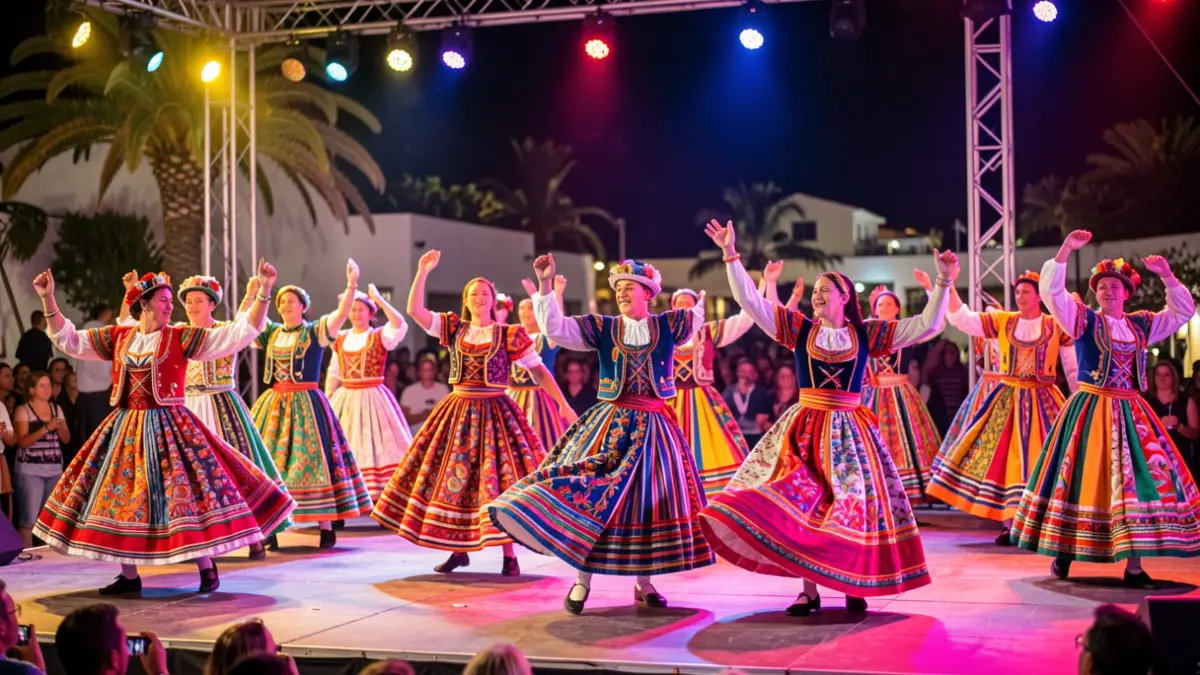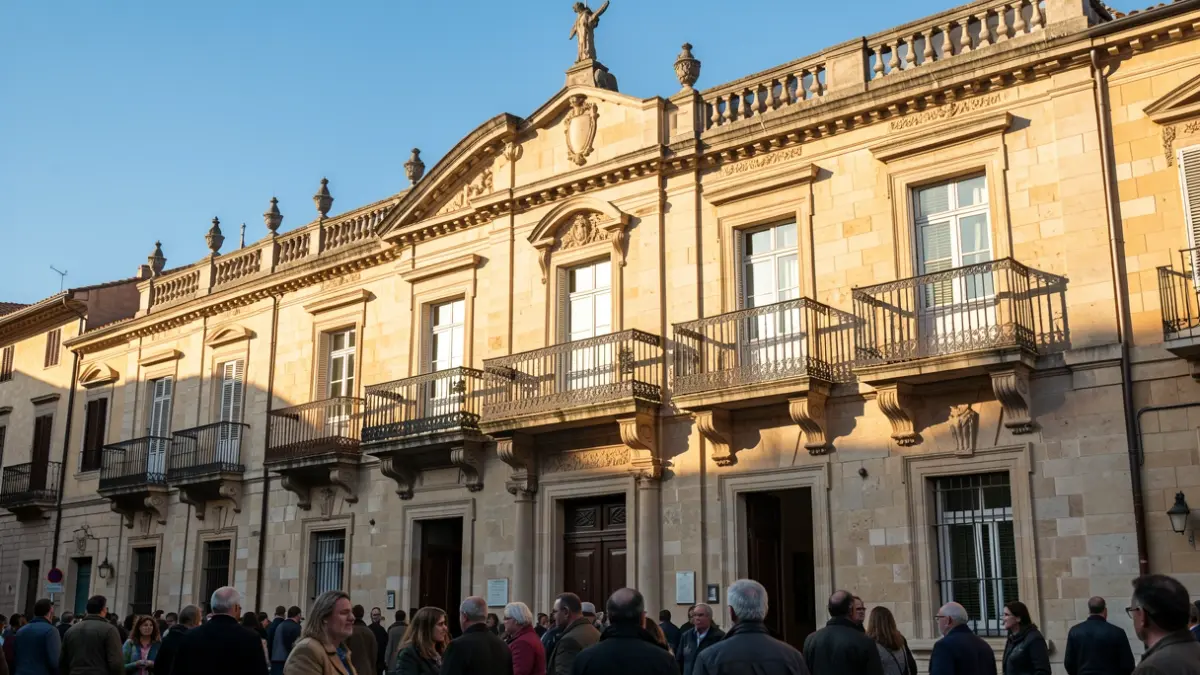
Tenerife-based historian Juan Elesmí de León delivered a lecture on the origins and evolution of the Danza de las Flores (Dance of the Flowers) and Los Barcos (The Boats), two emblematic festive traditions of the municipality of Tegueste. The session, held in the plenary hall of the Ingenio Town Hall, also featured prominent Canarian wrestling figures: Melquiades Rodríguez (Fasnia), Marcos Galván (Tegueste), and Antonio Pérez ‘Tonono’ (Ingenio). They were joined by Yeray Rodríguez, a former wrestler and decimista, and Professor Antonio Ramos Gordillo, dedicated to bridging science, tradition, and vernacular Canarian sports.
Elesmí de León described the Danza de las Flores as an identity marker for Tegueste, highlighting the role of José González's family in its preservation. He noted that the festival, mentioned as early as the 19th century, only allowed male participants until the 1960s, when Carmen González became the first woman to join the dance. He also discussed Los Barcos, whose tradition dates back to a vow made to the Virgen de los Remedios in 1582, linked to a plague epidemic. These boats, symbolizing the municipality's neighborhoods, participate in the Librea, a reenactment of defense against pirate attacks.
The second part of the event focused on Canarian wrestling. Wrestling stars Antonio Pérez ‘Tonono’, Melquiades Rodríguez, and Marcos Galván shared anecdotes and reflections on the evolution of this vernacular sport. Professor Ramos Gordillo emphasized the ethical values and identity that Canarian wrestling instills. Melquiades Rodríguez highlighted the pride in keeping this tradition alive, while Antonio Pérez ‘Tonono’, from a renowned wrestling family, spoke about the sport's significance in his life and his family's. Marcos Galván, also president of the Tegueste wrestling club, stressed the responsibility of nurturing young talent and instilling values.
The session concluded with a musical performance by the parranda Familia de los Alzados de Icod Alto, recipients of the Canarias Award for Popular Culture in 2012, who presented traditional Canarian pieces.