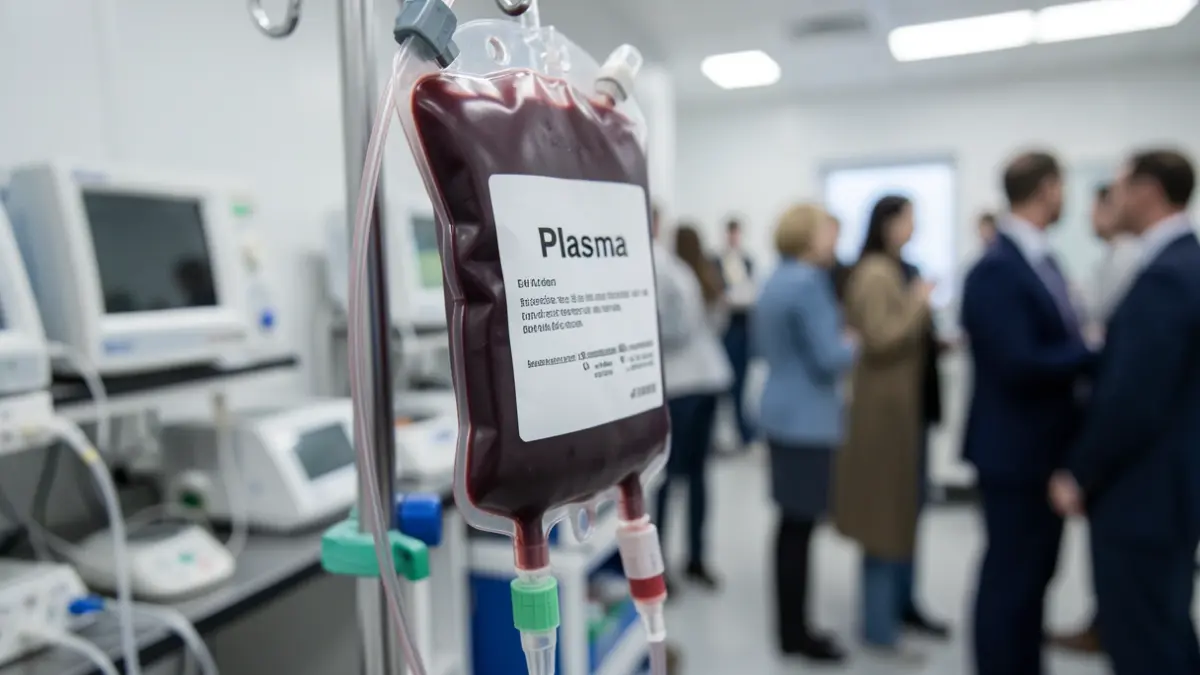
The SCS, through the General Directorate of Blood Donation and Hemotherapy (DGHH), is integrating into this agreement, which guarantees the uninterrupted supply of essential medicines such as immunoglobulins, albumin, and coagulation factors to hospitals within the Canary Islands Transfusion Network.
This model allows for the establishment of homogeneous conditions across the entire National Health System and advances towards self-sufficiency in plasma-derived medicinal products, which can only be obtained from donors and require a complex industrial fractionation process.
The Canary Islands receive medicines derived from its own plasma, maintaining public ownership and management of its donation and transfusion network. Spain has been self-sufficient in blood components for decades but aims for self-sufficiency in plasma-derived medicines through national coordination.
Plasma donation in the Canary Islands is by appointment at four locations: Las Palmas de Gran Canaria (C/ Alfonso XII, 4), Santa Lucía de Tirajana (Annex of the Vecindario Health Center, C/ Guatiza, s/n), Santa Cruz de Tenerife (C/ Méndez Núñez, 14), and Granadilla de Abona (C/ Arguayoda, 2).