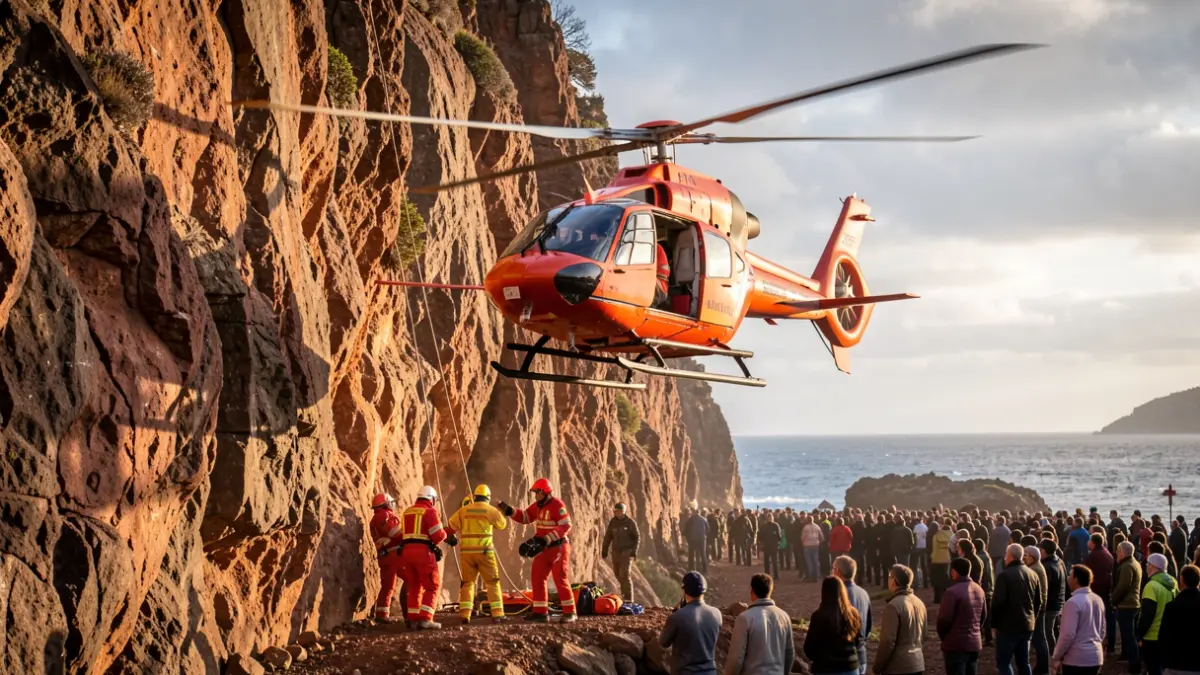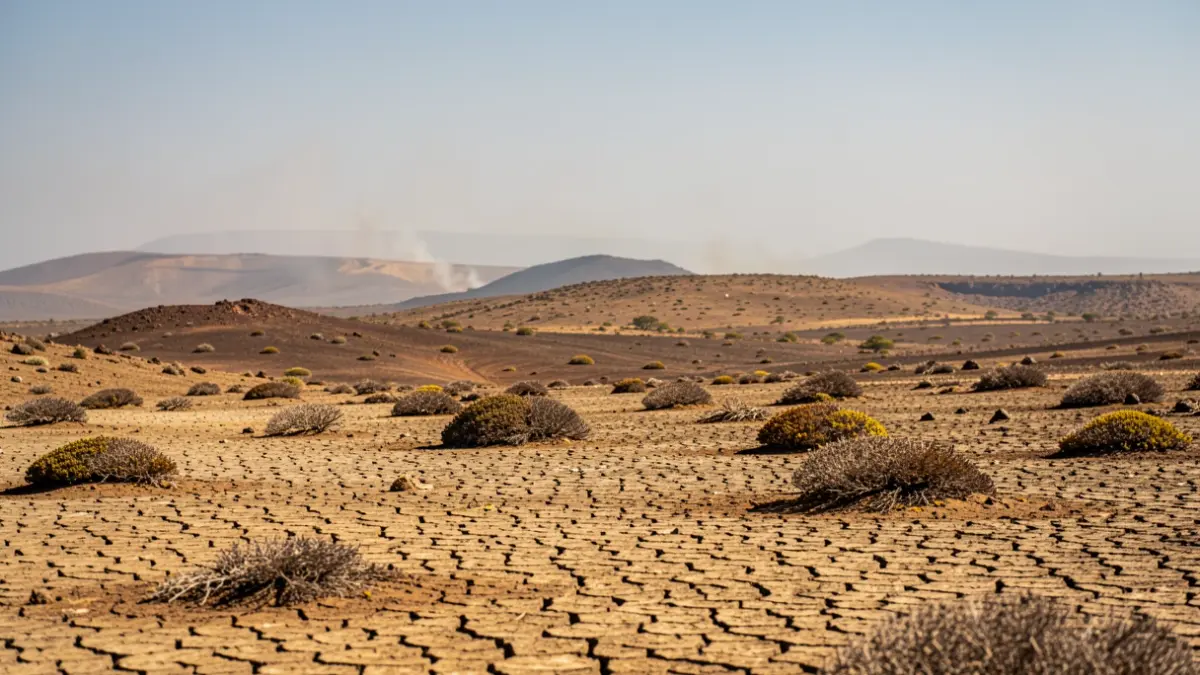
An intense meteorological shift is testing the Canary Islands' safety systems. The regional government, through the General Directorate of Emergencies, has issued an urgent call for citizen responsibility ahead of the imminent arrival of the first major heatwave of 2026. Authorities are demanding maximum caution to mitigate health risks and protect the ecosystem from potential forest fires in the western and central islands.
Due to the severity of technical reports, the General Directorate of Emergencies has declared a pre-alert for forest fire risk in Gran Canaria and Tenerife starting Sunday at 08:00. Concurrently, a pre-alert for maximum temperatures has been activated across all islands from 11:00 on the same day. Both measures are based on predictive data from the State Meteorological Agency (Aemet) and are implemented under the framework of the Infoca Special Plan for Civil Protection and Emergency Response for Forest Fires and the Specific Plan for Adverse Meteorological Phenomena (PEFMA).
The eastern province will be hit hardest initially, with thermometers expected to exceed 37ºC in Fuerteventura and Lanzarote, particularly in the interior and southern parts of both islands. In Gran Canaria, maximum temperatures will reach 34ºC inland and in the south. In the province of Santa Cruz de Tenerife, the midlands and summit areas of Tenerife and La Gomera will experience over 32ºC, while El Hierro and La Palma will exceed 30ºC in specific locations.
The danger is exacerbated by a drastic drop in relative humidity (below 30%) and the influx of warm, dry winds from the south and southwest in forested areas of Tenerife and Gran Canaria, which dehydrates vegetation and facilitates rapid fire spread.
Given the forecast that this warm spell will last for a significant part of the coming week, the General Directorate of Emergencies will maintain continuous monitoring. It is recommended to avoid outdoor sports during the hottest hours, seek cool environments, stay well-hydrated, and consume light meals, avoiding alcohol. Extreme vigilance is advised for children and the elderly.
In forest areas, the regulations are zero-tolerance. Discarding cigarette butts, matches, or trash in wooded areas is strictly prohibited, as is the use of pyrotechnic materials. Camping outside designated areas is forbidden, and compliance with transit restrictions imposed by the island councils is mandatory. Any sighting of smoke columns or anomalies in the mountains must be immediately reported to the emergency number 112.