The proposal, submitted to the Directorate General of Natural Environment, aims to establish a permanent regional strategy for biosecurity and environmental surveillance. The objective is to protect beekeeping, pollinators, the islands' biodiversity, and the public health of the Canary ecosystems from invasive alien species.
According to Antonio Quesada, biologist and board member of ApiGranca, bees and other insects serve as excellent environmental bioindicators, capable of signaling air quality and the presence of pollutants. European experience demonstrates that early detection and rapid response are crucial to curb the expansion of invasive species.
Quesada explains that beehives, with up to 60,000 workers and high hygienic standards, are a valuable resource for biology and understanding environmental parameters. For this reason, they have been installed in strategic locations in countries like England and Northern Europe.
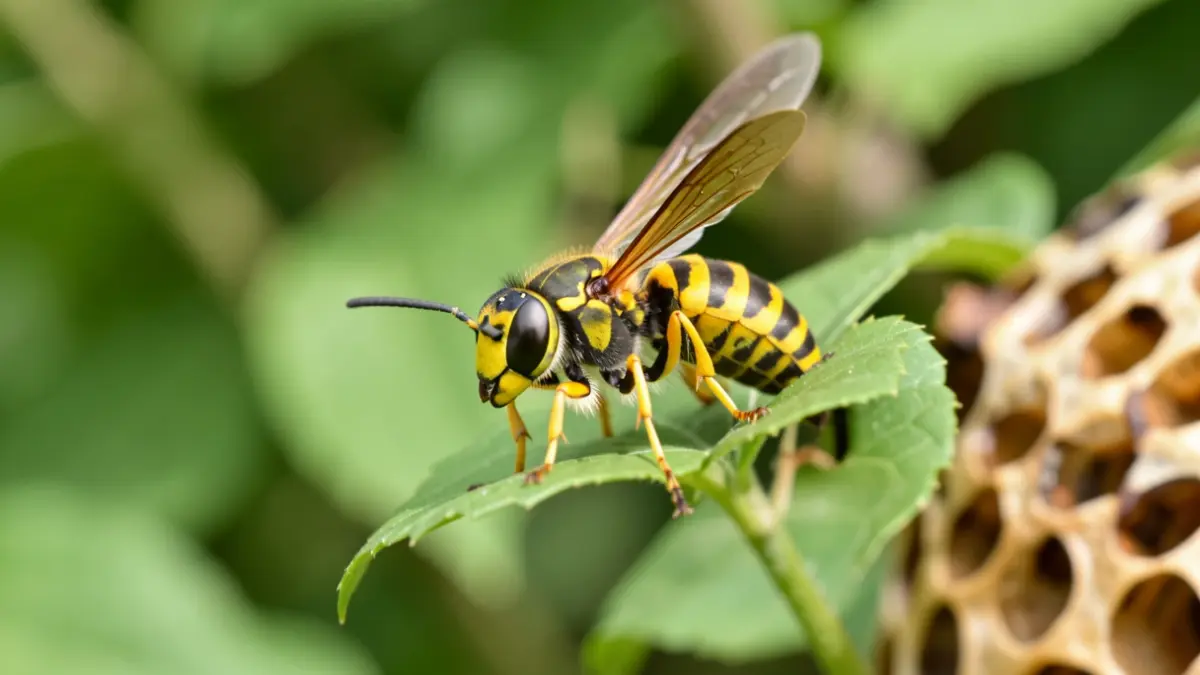
The protocol applied in the Canary Islands following the discovery of the first Asian hornet nest in Las Palmas de Gran Canaria will serve as a pioneering experience. The plan is to install apiaries in port areas as bait to attract and detect predatory bee species, such as the Asian hornet (Vespa velutina nigrithorax) or others of the Vespa genus, early on.
The proposal includes the creation of a regional surveillance network with strategically distributed apiaries, monitoring systems, EDRR protocols, institutional coordination, and georeferenced tracking tools.
Regarding the first nest found at the IES Isabel de España, Quesada clarifies that there is no second nest nearby. The workers that remained outside the original nest are now gathering to build a new colony. He notes that this nest, lacking a fertile queen, does not pose an immediate threat and could survive for about a month without intervention.
ApiGranca positively assesses the nest's location near the port and urban area and appreciates the prompt response and coordination from institutions. The concern for the health and safety of the agents involved, including the provision of personal protective equipment (PPE) and allergy tests, is also highlighted.