The report, presented this Tuesday and commissioned by the City Council, indicates that there are 35 homeless individuals per 10,000 inhabitants in Arona, a figure the organization describes as "conservative". Since 2021, the municipality has been among the top five with the most cases island-wide, holding the second position in three of those years. This 135-page diagnosis will form the basis for a future municipal strategic plan addressing not only assistance but also housing, prevention, social support, socio-sanitary coordination, employment, and access to rights.
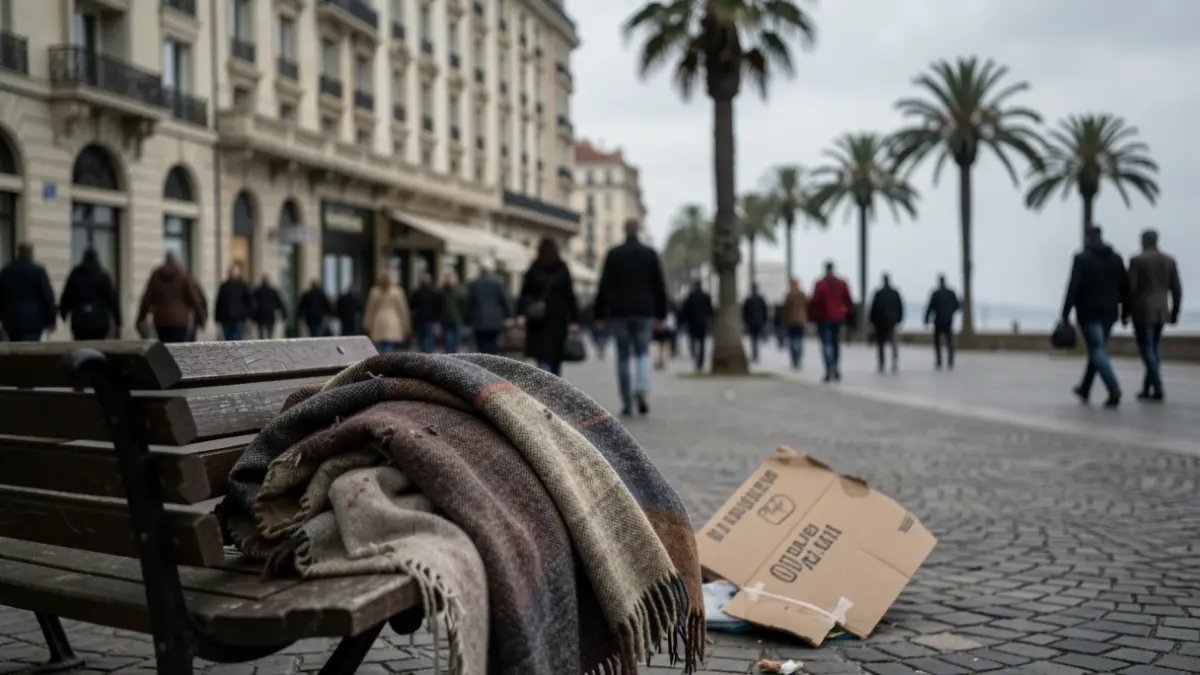
The study, which included 172 in-depth interviews with homeless individuals, estimates that between 470 and 885 people could be affected if informal settlements are considered. The concept of homelessness is broadened to include those residing in vehicles, caravans, shacks, makeshift constructions, or substandard housing without legal stability or minimum conditions, not just those sleeping on the streets.
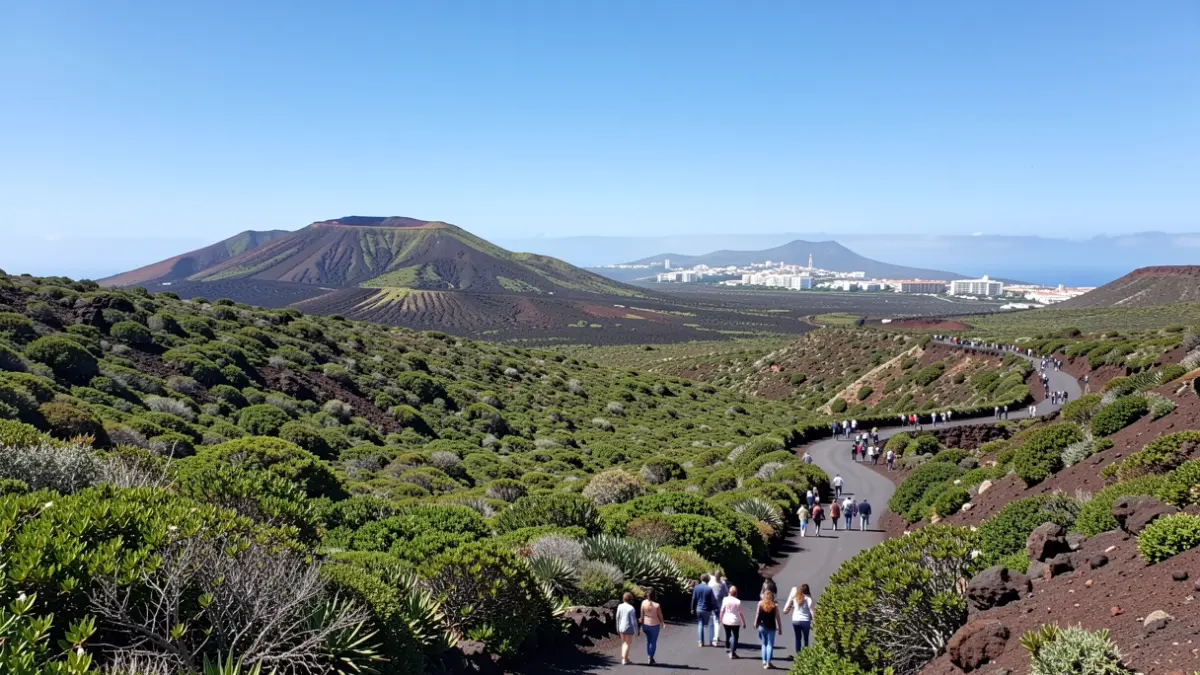
The report contrasts this reality with Arona's tourist nature, highlighting pressure on the housing market, population growth, and seasonal employment. While tourism is not the direct cause of homelessness, the residential model of a tourist enclave makes housing survival difficult for individuals with unstable jobs, low incomes, or fragile family networks. Residential rent has increased by 40% since 2015, ranging from 12 to 18 euros per square meter in 2023, a price unaffordable for many residents earning an average net monthly salary of 1,300 euros.
Reasons leading to homelessness include poverty without a sufficient safety net, as nearly 80% of interviewees receive no aid. Health also accelerates exclusion, with chronic illnesses, undiagnosed mental health issues, addictions, and disabilities exacerbated by difficulties in adhering to treatments, maintaining hygiene, or attending medical appointments.
The Los Cristianos area concentrates the highest density of cases in Arona (between 71 and 100 people), followed by other enclaves such as Valle San Lorenzo, La Estrella, El Fraile, Las Rosas, Las Galletas, and Costa del Silencio (between 51 and 70). Locations like Playa de Las Américas, Cho, Cabo Blanco, or Buzanada register between 31 and 50 cases, while Arona Centro, Chayofa, Palm-Mar, Guaza, and Guargacho have between 1 and 10.