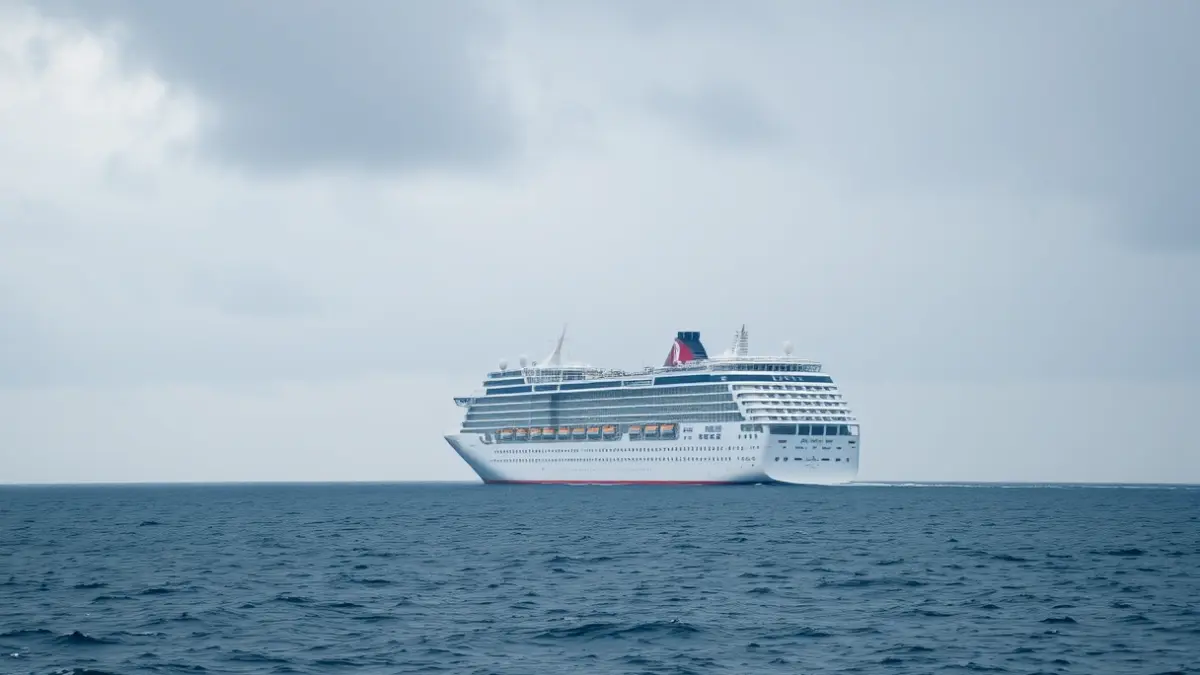
The regional president has expressed his “strong opposition” to the MV Hondius making a stopover in the archipelago, arguing that the necessary safety conditions have not been guaranteed. He stated that he learned about the situation through the press and communications from public health officials, without having been consulted beforehand about the decision.
“"No one has consulted him or explained the technical criteria for why this ship must come to the islands."
The Canarian president has proposed that the ship be transferred to its country of origin, suggesting that, if necessary, the repatriation of passengers could be managed from Praia International Airport in Cape Verde, thus avoiding an additional three days of navigation to the Canary Islands.
Meanwhile, the Canarian vice-president has supported this stance, indicating that while he would prefer the ship not to stop in the Canary Islands, all safety measures will be guaranteed if it eventually docks. This position is maintained despite the World Health Organization (WHO) urging Spain to allow passengers and crew to disembark to reduce psychological impact and ensure medical attention.
The Ministry of Health has announced that a common case and contact management protocol, developed by the WHO and the European Centre for Disease Prevention and Control (ECDC), will be implemented. This protocol will ensure that medical care and transfers are carried out in special spaces and transport, avoiding any contact with the local population and guaranteeing the safety of health personnel.