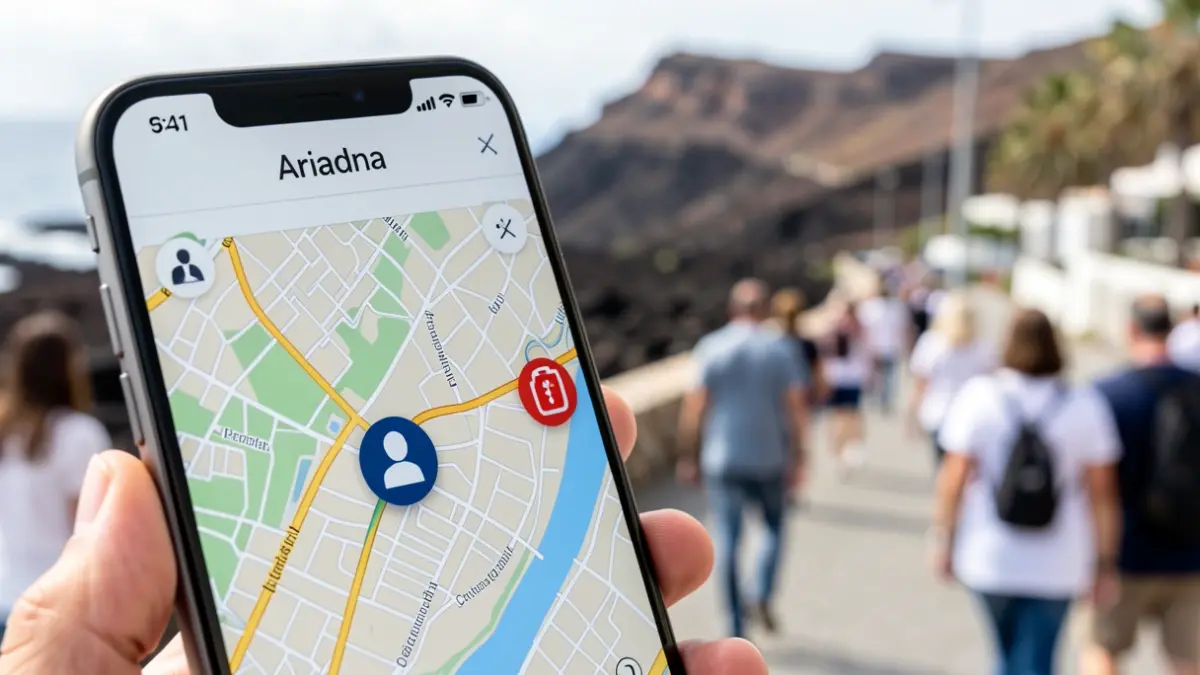
The Canary Islands have become the second autonomous community in Spain, after Galicia, to implement Ariadna, a mobile application designed to mobilize citizen volunteers in the event of a cardiorespiratory arrest. The primary objective is to facilitate cardiac resuscitation in the crucial first minutes, before healthcare personnel arrive.
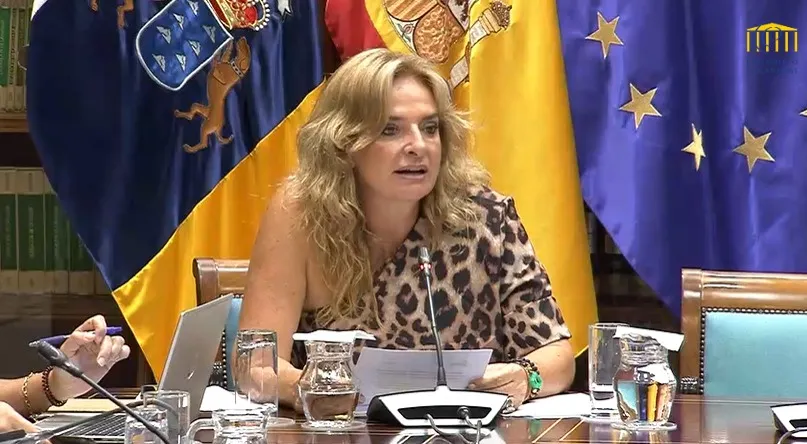
The digital tool, integrated into the health emergency system, will alert registered volunteers within a one-kilometer radius of the victim. The Minister of Health of the Government of the Canary Islands, Esther Monzón, highlighted that the application enables a faster, more coordinated, and effective response. In 2025, over 11,100 people participated in first aid and CPR activities in the region.
In addition to geolocating the victim, Ariadna also identifies the nearest semi-automatic defibrillator. The Canary Islands Emergency Service (SUC) attended 1,318 cardiac arrests in 2025 and nearly 700 in the first half of this year, underscoring the need to improve immediate response.
The director of the SUC, Noemí González, called on citizens to download the application, emphasizing that "the first minutes are brain" and that immediate action increases survival chances and reduces neurological sequelae. Any citizen can register as a volunteer, even without prior training, as Canary Islands regulations allow following 112 instructions for cardiac massage and defibrillator use.
Cardiologist Pablo Jorge stated that survival without sequelae often depends on initiating resuscitation within the first four minutes. Currently, the survival rate for out-of-hospital cardiac arrests in Spain is below 10%, compared to rates close to 20% in countries like Denmark or the Netherlands, attributed to greater public awareness and volunteer availability.
Ariadna currently has 932 defibrillators located within the app, aiming to register all 1,450 devices in the archipelago. An information campaign will be launched in the coming weeks to encourage citizens to download the application. The experience in Galicia, with around 5,000 volunteers and 2,000 registered defibrillators, has shown positive results, with approximately 30% of volunteers acting in emergencies.