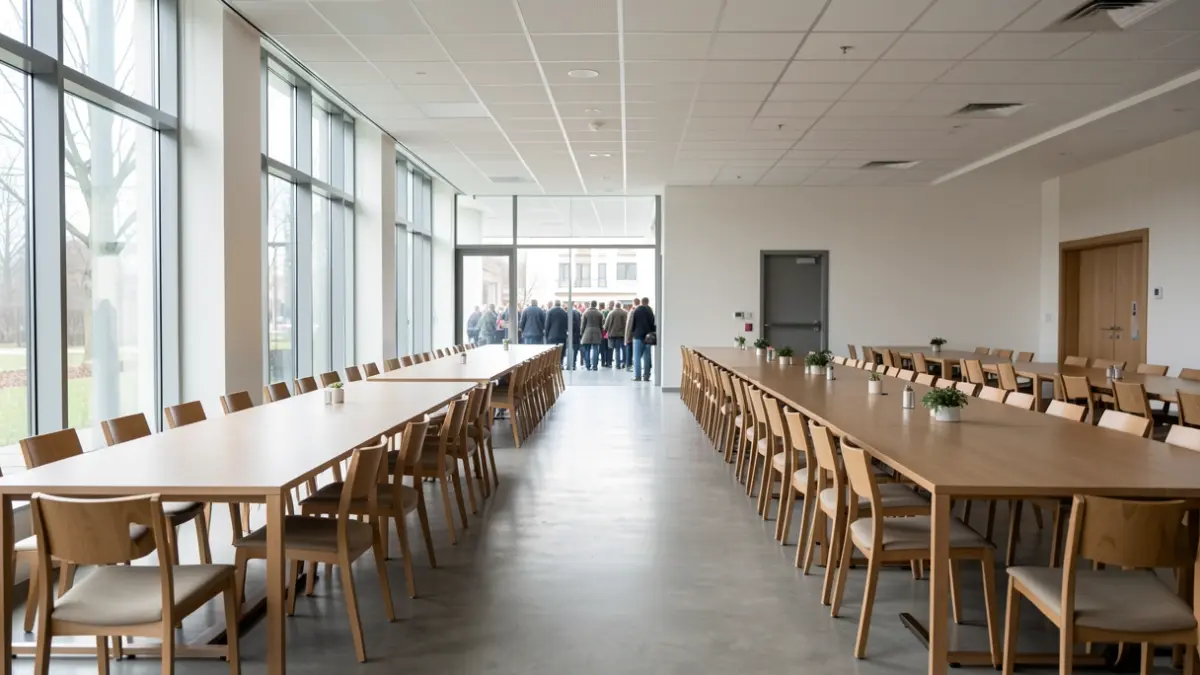
Previously, the contracting of services such as catering or maintenance in reception facilities was carried out through the public company Tragsa, under procedures subject to administrative contracting regulations. This scheme has been replaced by a model where third-sector entities assume the comprehensive management of these services.
This transition, according to ministerial sources, responds to the end of an extraordinary mandate that is no longer considered urgent. The new framework allows organizations such as Accem, Cruz Roja, or CEAR to directly manage center operations, including dining halls, under the concerted action model.
In the case of Tenerife, the Las Raíces center is one of the facilities where this change has been implemented. Maintenance service management is now carried out through private tenders managed by the social entities themselves, which have stated they do not hold the status of contracting authority under the Public Sector Contracts Law.
Although funds remain state-sourced and selection criteria are public, the procedure takes place within a private law framework. This situation has sparked criticism from some companies in the sector, who point to reduced transparency and greater difficulties in accessing detailed information on final evaluations compared to traditional administrative procurement processes.