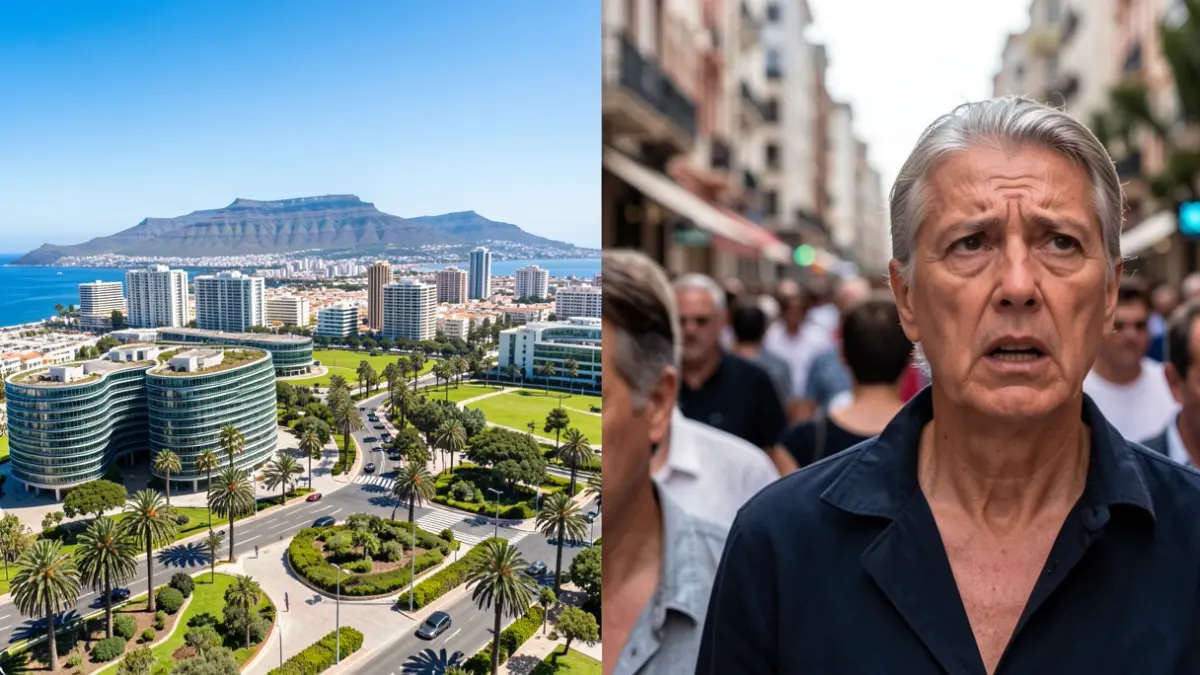
The President of the Cabildo of Tenerife, Rosa Dávila (CC), has outlined an ambitious vision for the island in the coming decade, projecting the creation of 5,000 additional public housing units, the completion of significant road works, and a renewed focus on environmental respect and sustainable tourism. During the State of the Island Debate, Dávila presented a plan involving 7 billion euros in investments, aiming to transform the island into a "carrier that sets the direction," in her words, overcoming the limitations of a "20th-century administration."
However, this optimistic outlook did not convince the spokesperson for the socialist group, Aarón Afonso. The PSOE representative questioned Dávila's vision, asking, "In which island are these people living?" and concluding that the governing political class lives "in a bubble, isolated from the problems that thousands of Tenerife residents face daily." Afonso described the president's speech as "self-complacent, grandiose, unrealistic, and quite far from the street."
The debate, structured in several phases, included Dávila's address, rounds of replies, and the voting of proposals. The president emphasized the importance of "preparing, deciding, and building" the future, rather than merely managing the day-to-day. She highlighted that over the last three years, more than 1 billion euros have been invested, and Tenerife has reached a record employment level with 460,700 people working, following the creation of 54,040 jobs in the same period.
Regarding housing, Dávila announced the projection of delivering nearly 1,300 public and protected housing units in the next three years, with the goal of mobilizing an additional 5,000 homes in the next decade. In terms of mobility, she indicated that the island is adopting strategies of "major European metropolitan regions," citing the Padre Anchieta pedestrian bridge as a symbol of this new era, which has improved traffic flow and become an "icon of architecture."
The socialist spokesperson, Aarón Afonso, criticized the insular government's management, recalling that CC has governed for 30 out of the last 34 years. He pointed out that despite the increase in employment, citizens face greater economic difficulties and advocated for "capping rental prices." He also recalled unfulfilled promises, such as resolving queues in the "famous 90 days," and described the water emergency plan as a "failure."
The debate also featured interventions from the PP and Vox. The popular spokesperson, Lope Afonso, criticized the PSOE for speaking of politicians isolated from reality, while Ana Salazar (Vox) questioned the authenticity of the complaints about insular politics, calling them a "manual on how to seem poor and not be."
The State of the Island Debate concluded with the approval of 32 resolutions. Coalición Canaria (CC) saw all its proposals passed, including a request to the Spanish Government for a specific energy tariff for geothermal energy in the Canary Islands and the inclusion of Canary resident flights and ferries in the "Verano Joven" program. The PP also secured support for all its proposals, focusing on the housing emergency, security, and opportunities for young people. The PSOE obtained support for four proposals, and Vox for eight, addressing topics such as shantytowns, rural tourism, mobility, and Canarian cultural identity.