The National Geographic Institute (IGN) has reported a new increase in seismic-volcanic activity beneath the island of Tenerife. Following two days of very weak activity, new seismic pulses have been recorded west of Las Cañadas. In total, 24 of the more than one hundred events recorded in the last 24 hours have been located, although activity still persists.
The activity peak began in the early morning, with a notable pulse recorded around 3:54 AM. Concurrently, several low-magnitude volcanotectonic earthquakes were detected in other parts of the island, including three between Gran Canaria and Tenerife, near the Enmedio volcano, the largest measuring 2.6 magnitude.
Most of the epicenters are located in the western area of Las Cañadas, primarily within the municipalities of Guía de Isora and Vilaflor de Chasna. These earthquakes, situated between 10 and 16 kilometers deep, are low in energy, and none have been felt by the population.
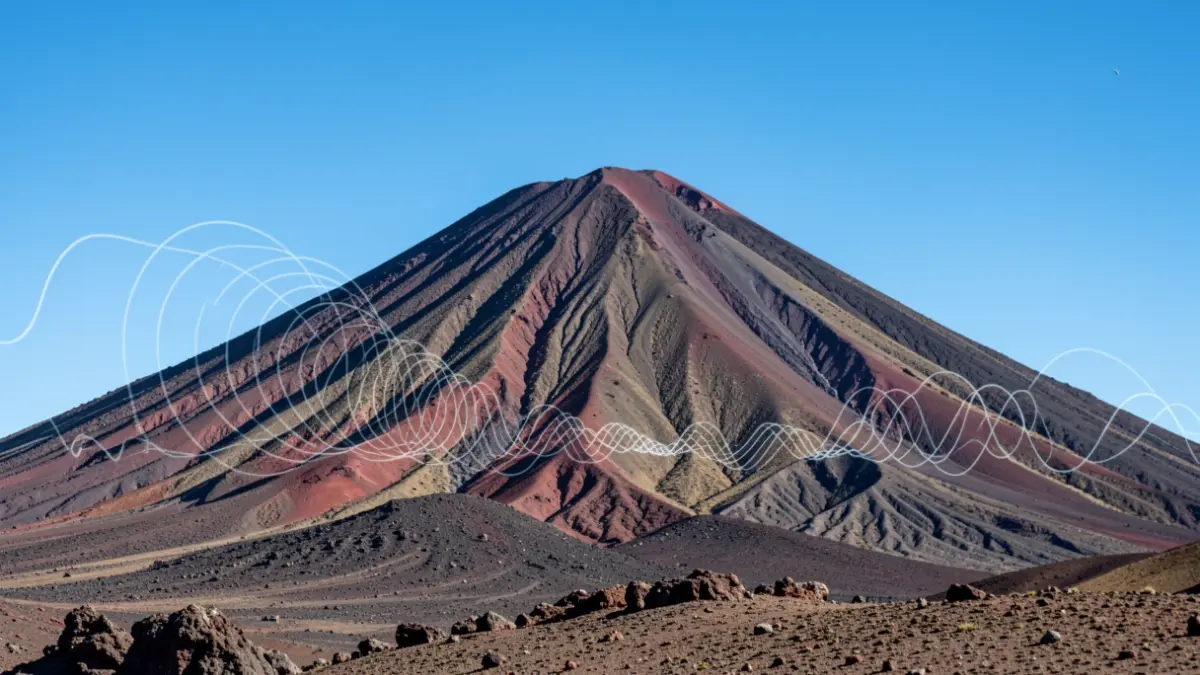
During this seismic event, pulses of different natures were recorded, including low-frequency (LP) earthquakes and hybrid events, which are predominant in this process. Researchers associate this activity with the movement of magmatic fluids (liquid or gas) interacting with the rocks deep within the island.
According to experts, this type of seismicity does not increase the probability of an eruption in the short or medium term. The persistence of activity in the same region is compatible with an active localized process, but in isolation, it does not necessarily imply an evolution towards an eruption.
The IGN, responsible for volcanic surveillance in Spain, maintains a network of over 100 stations on the island to monitor in real-time any changes or anomalies in seismicity, ground deformation, and geochemistry.