The recent surge in seismic activity beneath the Teide-Pico Viejo volcanic complex in Tenerife has refocused public attention on the island's geological nature. However, volcanologist Juan Carlos Carracedo, a leading authority in Canarian volcanology, advises interpreting these events with prudence and within their geological context.
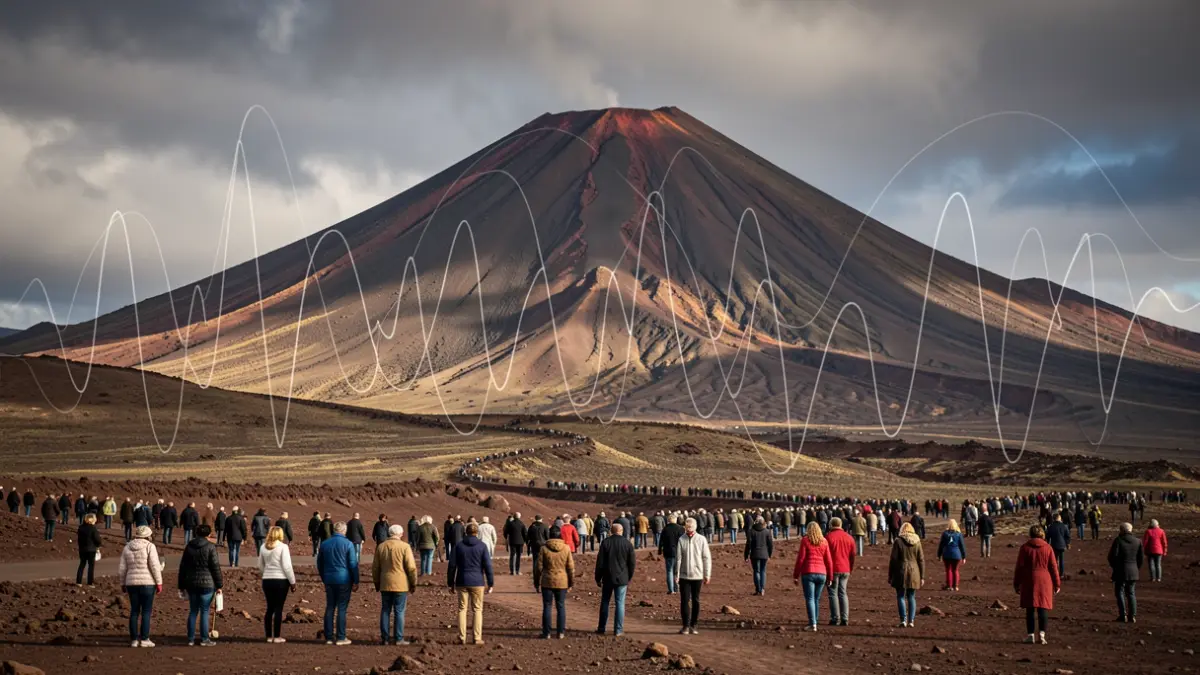
Carracedo, along with other researchers, has analyzed the seismic swarm that occurred between February and March, concluding that there are no indications of an imminent eruption. The detected events, of very low magnitudes and concentrated at depths between 6 and 12 kilometers, lack other precursor signals such as ground deformation or anomalous gas emissions.
“"We shouldn't call it an anomaly because we are not yet sure that it is; it could simply be the usual behavior of a volcanically active island."
A significant portion of this recorded activity increase is attributed to technological advancements in monitoring systems. Carracedo explains that today's highly precise instruments capture seismic signals that would have previously gone unnoticed. He emphasizes that many of the thousands of reported events are actually micro-seismic events of very low magnitude, imperceptible without adequate equipment.
The scientific study describes these seismic swarms as a characteristic of an active deep volcanic system, possibly due to stress adjustments, hydrothermal movements, or fluid migration, without implying magma ascent. Carracedo also notes Tenerife's rapid geological growth, being the third-highest structure on the planet, as a factor in potential compaction.
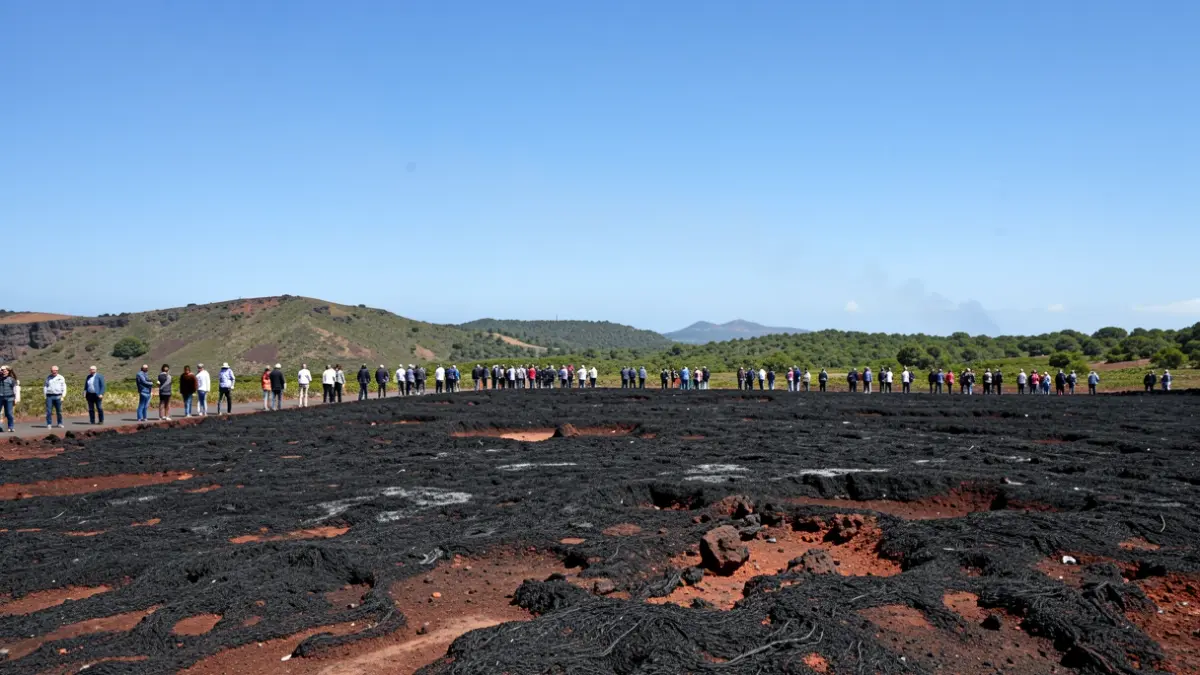
While no eruption is predicted in the short or medium term, a future eruption is inevitable given the island's volcanic nature. The most probable scenario would be a basaltic eruption on one of the volcanic ridges, similar to the Tajogaite eruption. However, the Teide is considered to be in an "absolutely terminal phase," with extremely remote possibilities of a volcanic eruption due to its great height and the magma's density filtering process.
Scientists stress that an eruption is typically preceded by multiple clear indicators, such as increased frequency and intensity of seismicity, migration of earthquakes towards shallower areas, ground deformation, and changes in gas emissions. Currently, none of these signals are occurring in Tenerife.
The study also addresses the challenge of public communication regarding volcanic risk, warning that transparency must be accompanied by clear and contextualized information to prevent misinterpretations and unnecessary alarm, especially on an island with a high population density and significant tourism.