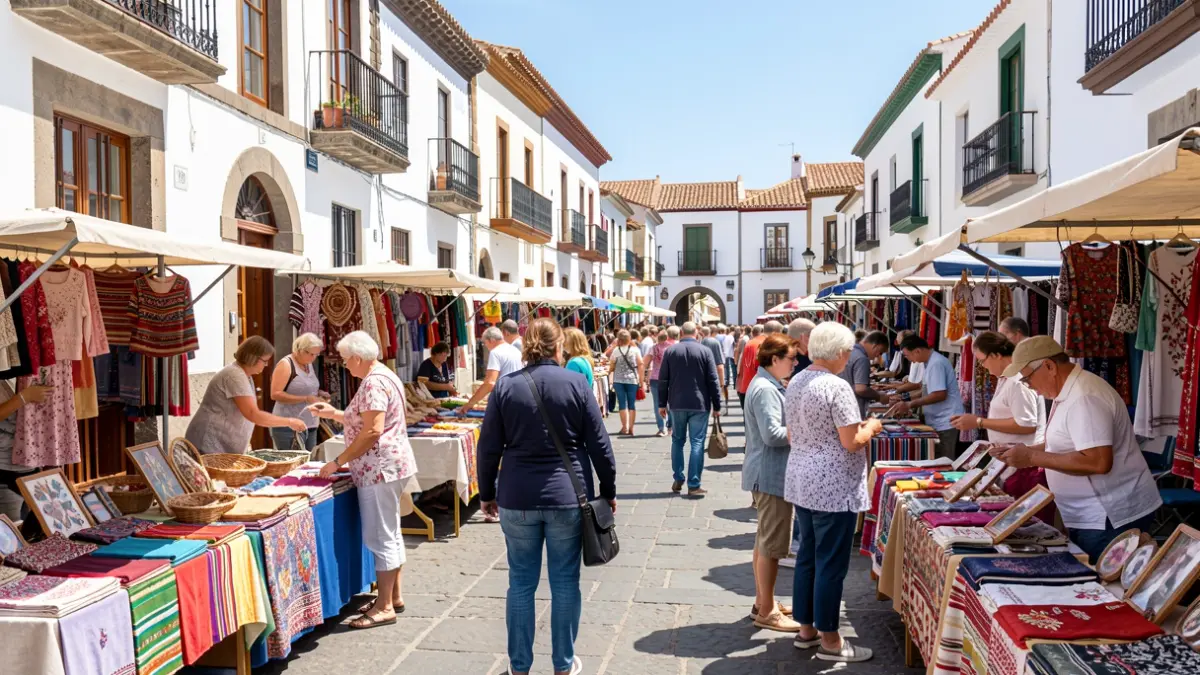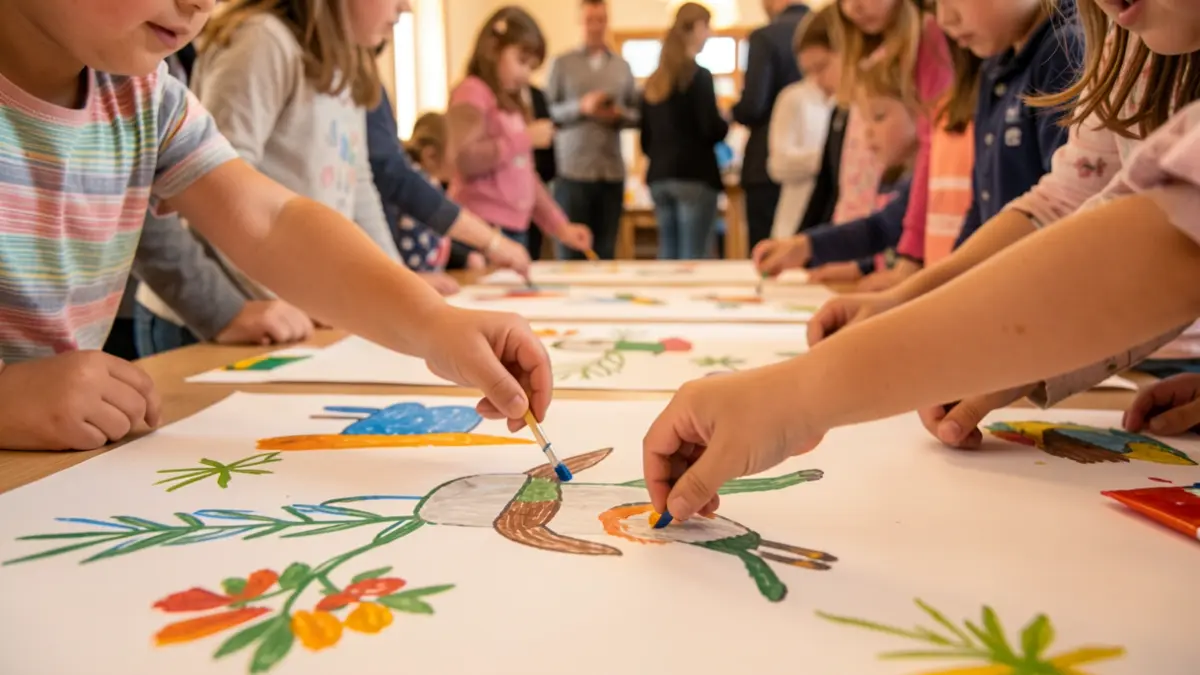
The City Council of Las Palmas de Gran Canaria, through the Department of Education, is fostering the Canary identity in its Municipal Children's Education Schools (EMEI) with a pioneering initiative named 'Guayarmina, the jumping goat of the Canary Islands'. This program aims to introduce the culture, traditions, and identity of the islands to the more than 1,200 children aged 0 to 3 enrolled in the eleven municipal centers.
The mayor, Carolina Darias, accompanied by the Councilor for Education, Nina Santana, visited the Pluto school in the La Feria neighborhood to learn about the development of this initiative, which runs throughout the school year and was particularly highlighted during the Canary Islands Day celebration.
“"The Municipal Children's Schools of Las Palmas de Gran Canaria are the most important network in all of the Canary Islands and, moreover, now have their own pioneering educational content that reinforces Canary content throughout the year. It is not an educational project confined to Canary Islands Day."
Darias explained that the schools have integrated into their educational project a didactic way to explore with the children aged 0 to 3 every corner of the Canary Islands, strengthening the knowledge of traditions as a fundamental pillar of Canary identity. The 'Guayarmina, the jumping goat of the Canary Islands' program runs from September to June, guiding students through the seven islands and exploring their gastronomy, fauna, flora, and unique characteristics.
For her part, Nina Santana praised the work of the EMEI professionals in developing this 'unique project', adapted to the Canary reality, and reaffirmed the commitment to continue promoting this initiative to protect the archipelago's identity.
The initiative incorporates an inclusive approach, offering adapted activities for children with special educational needs, with the support of the schools' orientation department. The eleven Municipal Children's Schools in Las Palmas de Gran Canaria provide a reference model focused on equal opportunities, healthy eating, language learning, and values education, also incorporating proposals linked to the knowledge and conservation of Canary roots and traditions.
95% of the places in these schools are subsidized, with 67% of enrollments being free and the remaining 33% receiving fee assistance, thus ensuring universal access to early childhood education in the city.