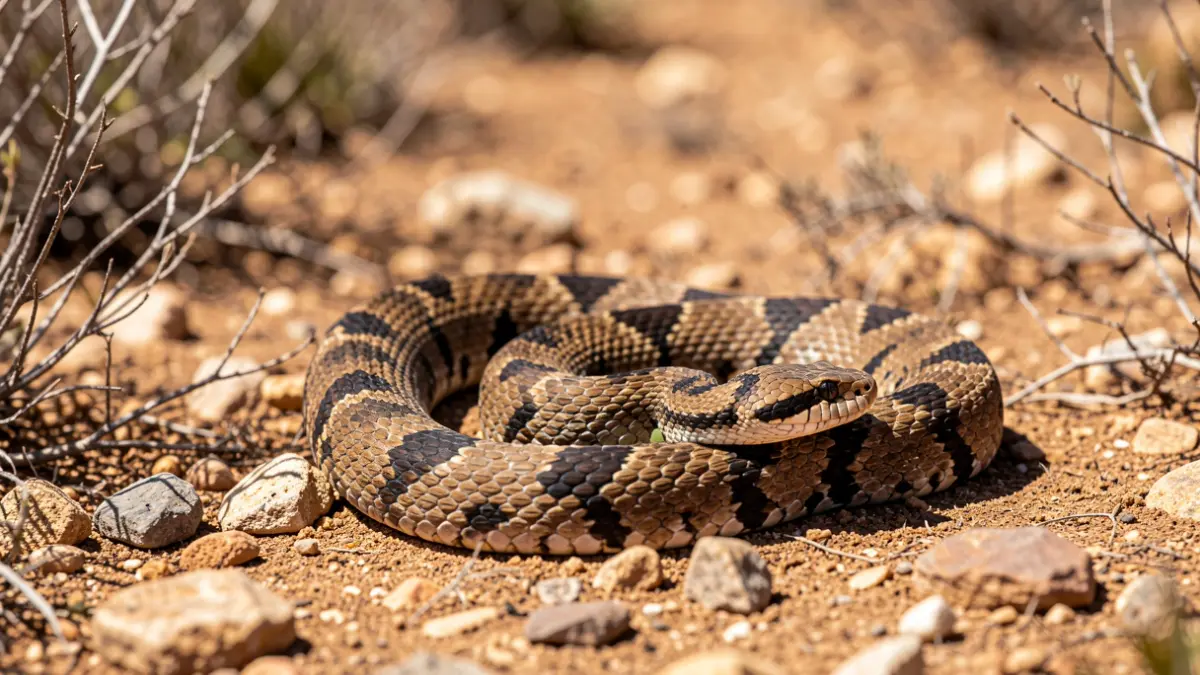
A recent discovery of a California kingsnake in Gáldar has highlighted one of the most significant threats to the biodiversity of Gran Canaria. Experts warn that the presence of this invasive reptile is triggering an unexpected domino effect: a substantial increase in flies, mosquitoes, true bugs, and other invertebrates in the affected areas.
Research conducted by the Biodiversity Conservation Science (COBIO) group at the CSIC concludes that the invasion of the California kingsnake is causing a cascading ecological imbalance. According to researcher Marta López from the IPNA-CSIC, one of the most striking findings is that the snake is indirectly promoting the proliferation of insects.
This phenomenon is attributed to the decline of endemic reptiles that naturally prey on these insects. As the snake population grows, native species such as the Gran Canaria giant lizard, the Gran Canaria skink, and Boettger's wall lizard see their numbers reduced, leaving various arthropod communities unchecked. The researchers' data is compelling: invaded areas have shown an increase of over 84% in flies and mosquitoes, and the presence of true bugs has quadrupled compared to areas where the snake has not yet established.
The California kingsnake first arrived in Gran Canaria in the late 20th century, likely due to accidental or intentional releases. Since then, its expansion has been continuous. Established populations are currently found in municipalities including Gáldar, Las Palmas de Gran Canaria, Telde, Santa Brígida, and along the coast of San Bartolomé de Tirajana, with scattered sightings elsewhere. Despite control campaigns that have captured around 20,000 specimens since 2007, the species' high reproductive capacity makes eradication extremely challenging.